




Most homeowners think the difficult part is over after the wood has been chopped and stacked up. The well-organised pile of logs under the porch or even the tarped-up bundle could easily convince someone that a warm and cracking fire is expected come December. But what could be a silent failure would remain unnoticed until the very first bite of cold weather. A lit matchstick could reveal that instead of a blazing fire, there’s only hissing and crackling coming from the wood.Sometimes it results from the lack of awareness regarding the process of moisture loss in wood. Just protecting wood from the precipitation isn’t enough. In order to be able to season it, you need to allow air circulation in the pile. This happens quite frequently, but the result is frustrating: expensive hardwood turned into smoky, poor-quality firewood that doesn’t warm up your house as intended.Why your wood might stay moist even after wrappingA key point that contributes greatly to the process of seasoning is ventilation, which isn’t always ensured. People tend to wrap firewood too soon and too tightly, trying to save it from the adverse influence of weather conditions. However, the process of moisture elimination requires the moisture to have some place to go. Once wood is wrapped with plastic and sealed without proper ventilation, moisture accumulates inside the pile.Research paper, Energy and moisture losses during poplar and black locust logwood storage, looked specifically at the energy and moisture losses during the storage of poplar and black locust logs. The researchers found that the rate of drying was remarkably similar between wood kept under a roof and wood left uncovered for six months. This suggests that the physical structure of the stack and the airflow it allows are far more important than just having a roof over the wood. If air cannot circulate around each individual log, the internal moisture stays trapped, regardless of how sunny or dry the weather is outside.Avoid leaving wood on the floor. Raise it above the ground by using pallets or even creating some sort of structure specifically designed for this purpose, thus protecting the first row of logs from moisture penetration. Arrange your firewood logs in an open way instead of piling them randomly; this will create something called “chimney effect,” which will allow the breeze to pass through and take away all the moisture. In case you wish to cover it somehow, place the covering only above the top third of the stack so that rain will not reach the wood, but the rest would remain exposed for proper ventilation.Cost-effectiveness of green woodIt is obvious that green wood can be very cheap in comparison with seasoned firewood. However, this approach will only bring trouble to you. There are many reasons for this assumption. First of all, the wood still contains plenty of moisture inside itself, which means that most of the energy produced by the fire will be spent evaporating the water instead of generating heat.It does not stop at just a small flame. Research conducted in the journal Renewable Energy on the topic of environmental tax related to fine particulate emissions by firewood stoves suggests that the burning of moist wood increases the amount of smoke. This is not just an issue of air pollution, but even your home safety is put at stake by such actions.
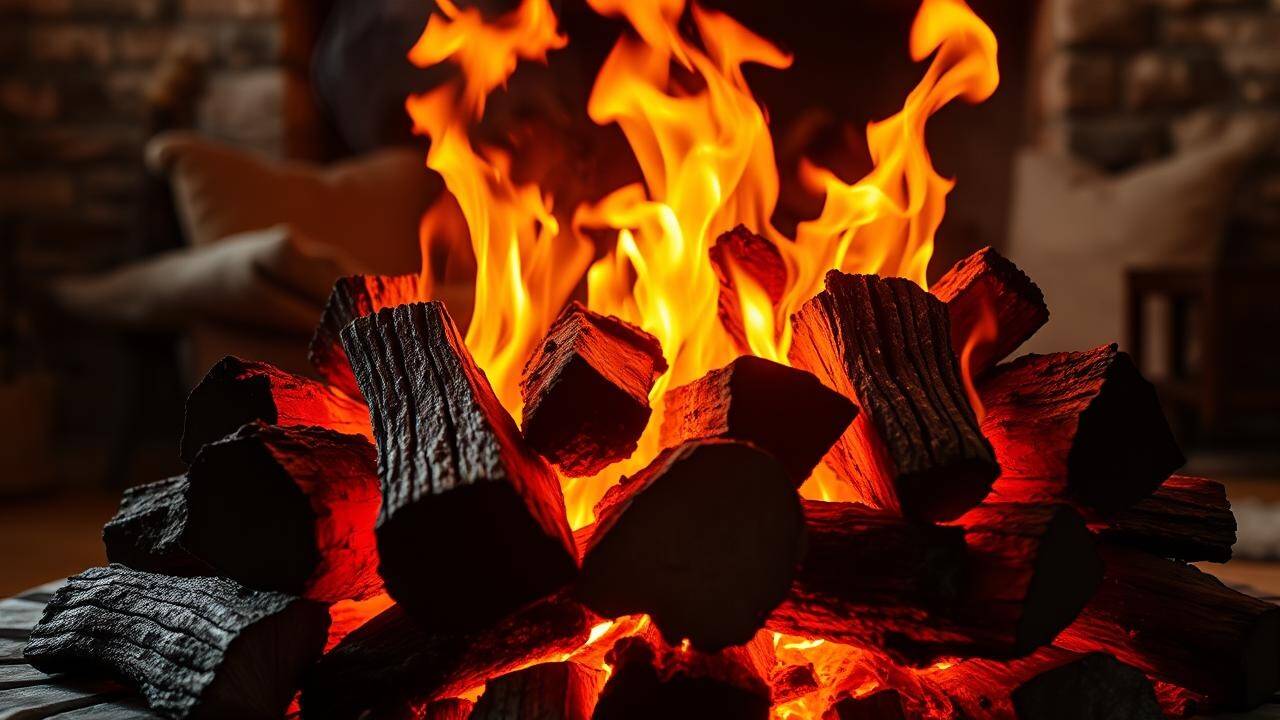
Green wood burns inefficiently, wasting energy and increasing smoke. Properly seasoned wood, with moisture below 20 per cent, burns hotter and safer, requiring careful planning for different wood types.
Ultimately, too many logs become a potential hazard for fires. While one saves money on unseasoned wood from inexpensive sources, they will need to shell out the costs of hiring skilled chimney sweeps or even more expensive ones when their flues ignite due to an accident. Seasoned wood requires being stored with moisture levels no higher than 20 per cent. This is easy enough to determine from observing the cracks that begin to form at the end of the log. A proper sound comes from striking two pieces together, a crisp ring rather than a dull thud.Wood types and drying considerationsDrying processes vary for different species of wood. Very dense hardwoods such as oak or black locust will burn longer, yet their seasoning period takes longer as well, at least two years. Softwood species such as poplar or pine burn rapidly yet season much faster.The best method is a combination of both strategies, yet you need to plan your cutting or purchasing process at least half a year or even a full year in advance. If you cut down trees in autumn, then most likely the wood will not have time to dry before the next winter, as the winter atmosphere does not allow quick drying. Ensure that your wood pile is airy, elevated from the ground, and has sufficient space. In such a case, a simple pile of logs transforms into an excellent fuel source, which will provide warmth to your house through winter.