




Each year, the RHS Chelsea Flower Show captivates audiences with its breathtaking displays, a testament to the world’s leading designers and their horticultural artistry. Yet, beneath the veneer of perfection and inspiring flora, lies a hidden world of meticulous effort and ingenious strategies, known only to those who toil behind the scenes.
While visitors marvel at the spectacle, a dedicated community works tirelessly to achieve flawless execution, often employing secrets to navigate the intense demands of the event.
Here, six Chelsea exhibitors offer a rare glimpse into the unseen dedication required to bring their visions to life.
We use tweezers – Sarah Eberle
Multi-award-winning designer Sarah Eberle, a record-holder with 19 RHS Chelsea gold medals, reveals the extraordinary attention to detail. “We have incredible attention to detail but even to the point where we use an artist to paint over any damage, maybe to rocks or to trees or plants,” she explains.
Her efforts are supported by “an army of amazing helpers who come in with scissors and tweezers and secateurs and dusters, and they prepare all the plants for us as we put them in.” Eberle, whose current design, The Campaign to Protect Rural England Garden ‘On The Edge’, highlights overlooked countryside areas, once walked “six-and-a-half marathons in nine days” across multiple projects. She also recalls a humorous incident at RHS Hampton Court where she discovered “somebody had put a supermarket trolley” in her estuary garden on judging morning.
Show plants often remain in their pots – Katerina Kantalis
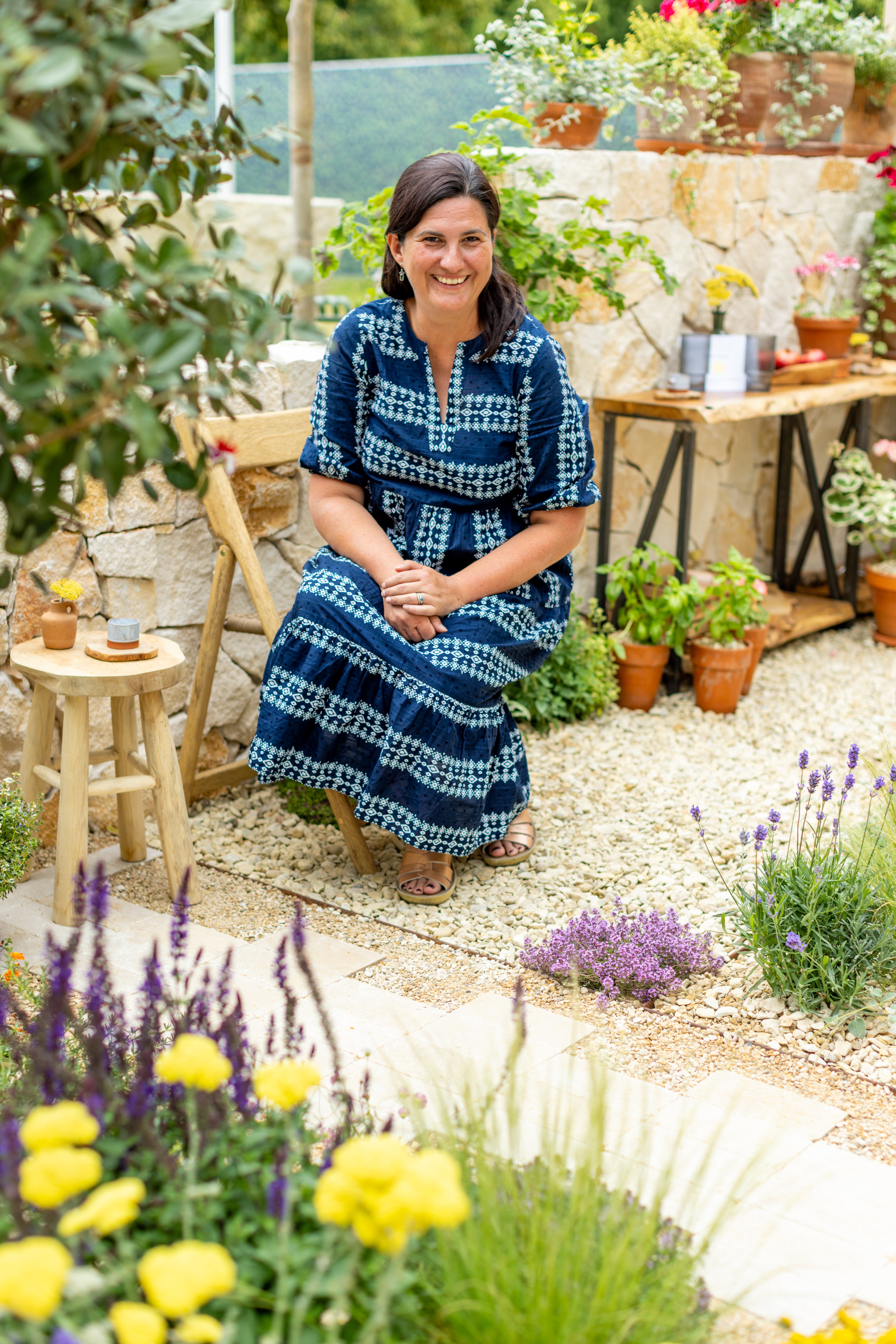
Australian designer Katerina Kantalis, responsible for the Viking-sponsored balcony garden ‘A Little Garden of Shared Knowledge’, shares a common secret: plants often remain in their pots. To achieve a “mature planting scheme” for Chelsea, designers “bring together two pots, three pots, four pots, five pots and mesh them together to make it look like one mature plant.”
This method, particularly for larger gardens, saves crucial time, with pots cleverly concealed by soil and mulch. While some opt for direct planting, it demands significantly more time.
We hope for rain – Lucy Hutchings
For Lucy Hutchings, co-founder of the heirloom seed company She Grows Veg, rain is a welcome sight. While visitors might hope for clear skies, exhibitors in the Great Pavilion eagerly anticipate a downpour.
“When it starts to rain, the entire audience at the show rushes into the Great Pavilion and suddenly we are surrounded by people and everyone wants to look at our exhibits. So, you might not be hoping for rain, but we are,” she explains.
Another hidden luxury is a chair. “Chairs are life and you can’t have a chair on your stand and you might be standing from 7am to 10pm,” Hutchings notes, detailing their system of hidden backstage chairs and a rota for much-needed rests.
Seeds take hours to pack – Phil Johnson
Phil Johnson, managing director of English Sweet Peas, whose team won a gold medal on their Chelsea debut last year, describes the painstaking process of preparing seeds. His small team, launching the Nigel Slater – Fruit Fool sweet pea this year, must first ensure they “have got enough seeds?” before individually packing “hundreds of packets of seeds into little envelopes with these labels on – and it takes hours.”
It’s not as competitive as it seems – Max Parker-Smith
Garden designer Max Parker-Smith, whose ‘Journey Beyond The Tracks: From Adelaide To Perth Australian Garden’ was inspired by his exploration of the Indian Pacific train line, highlights the collaborative spirit of the show. “There’s a really great community and when people are struggling or in need of assistance or materials, we are there to help each other out. It’s not nearly as competitive as you might think,” he observes. Parker-Smith also points out the enduring legacy of the gardens, with his plants relocating to Kensington Gardens and the hard landscaping destined for Longleat, “next to the fluffy koalas.”
It’s like a mini-city before the show – Alex Michaelis
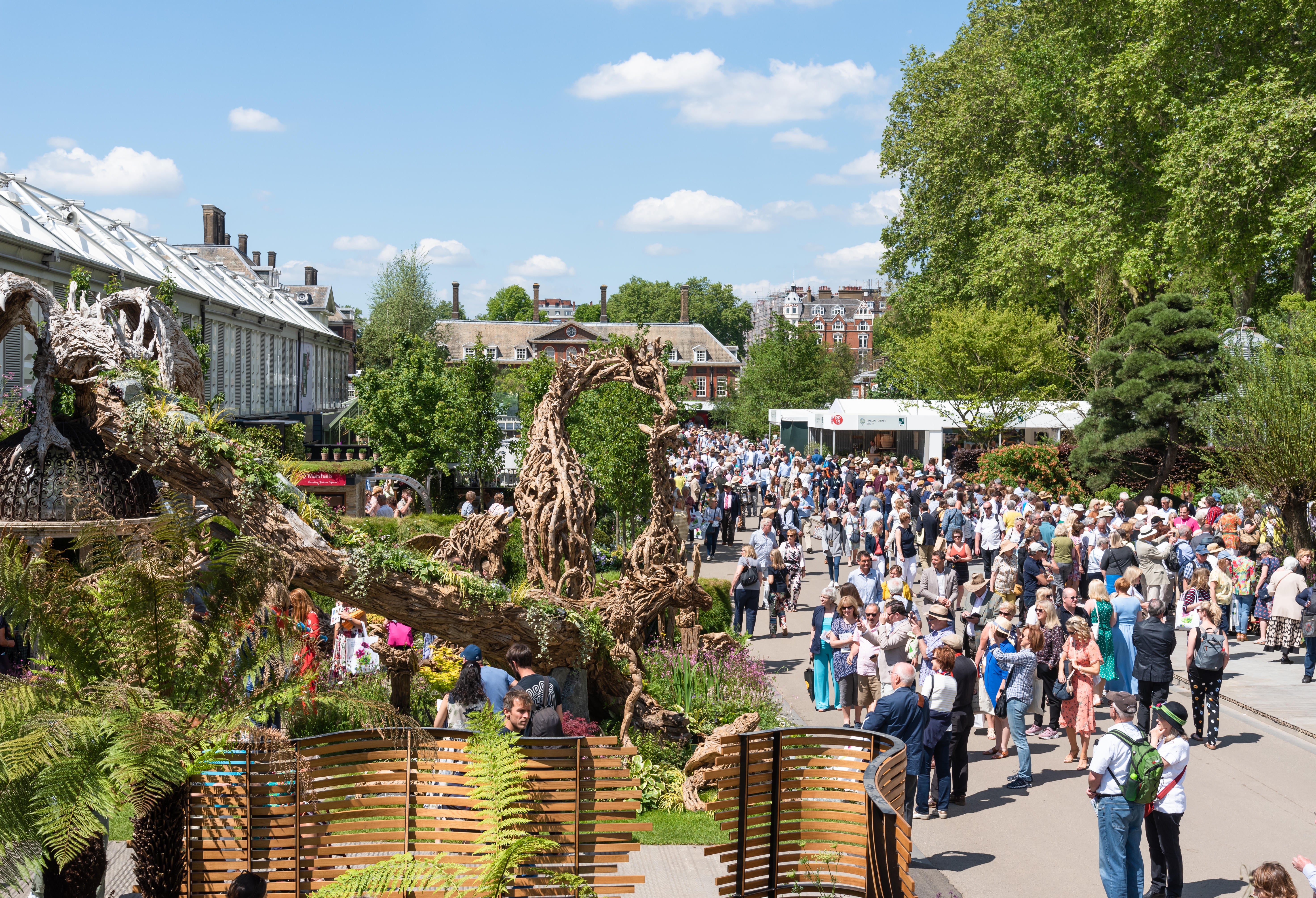
Alex Michaelis, co-designer of The Eden Project: Bring Me Sunshine garden, which will move to Morecambe after the show, describes the intense build-up. “The build teams often work through the night to the last possible moment to make sure every detail is as close to perfection as it can be.” He likens Chelsea during this period to “a mini-city with people walking around, machinery, a bustling community supported by the wonderful RHS. There’s a buzz in the air and when something goes wrong, everyone pulls together to help. It would be great if it were like that in actual cities.”
RHS Chelsea Flower Show runs from May 19-23.