




River in North Bihar play a significant role as they bring fertile silt from the Himalayas, sustaining agriculture across one of India’s most densely populated rural regions. They have repeatedly unleashed floods that erase villages, displace families and leave behind long-term economic distress. (Image: Wikimedia Commons)
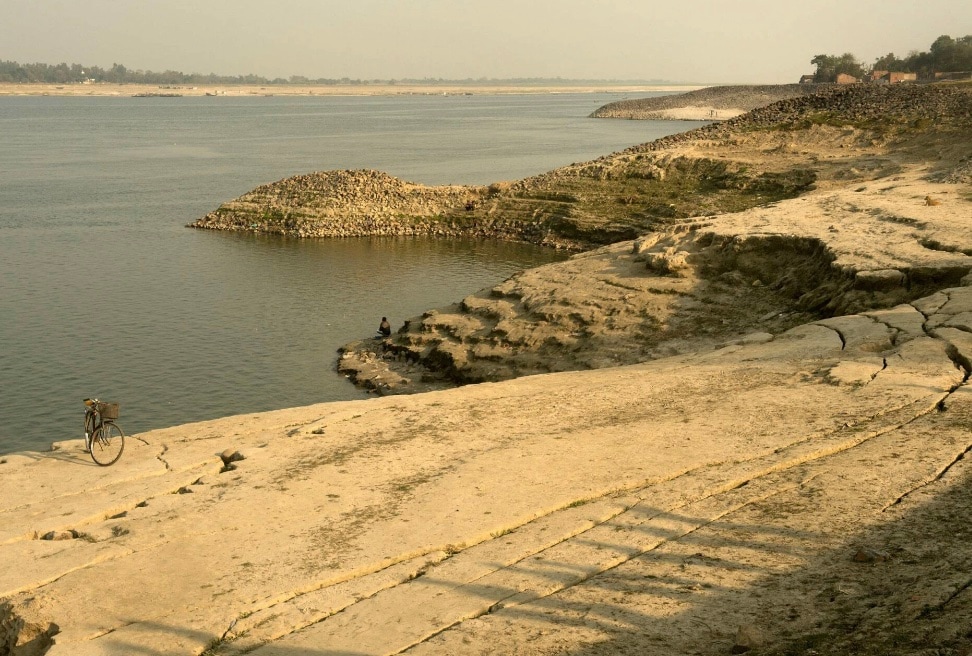
Among the rivers, one stands apart for the sheer scale and regularity of destruction it causes. This recurring destruction has earned it a sombre name rooted in experience rather than geography. (Image: Wikimedia Commons)
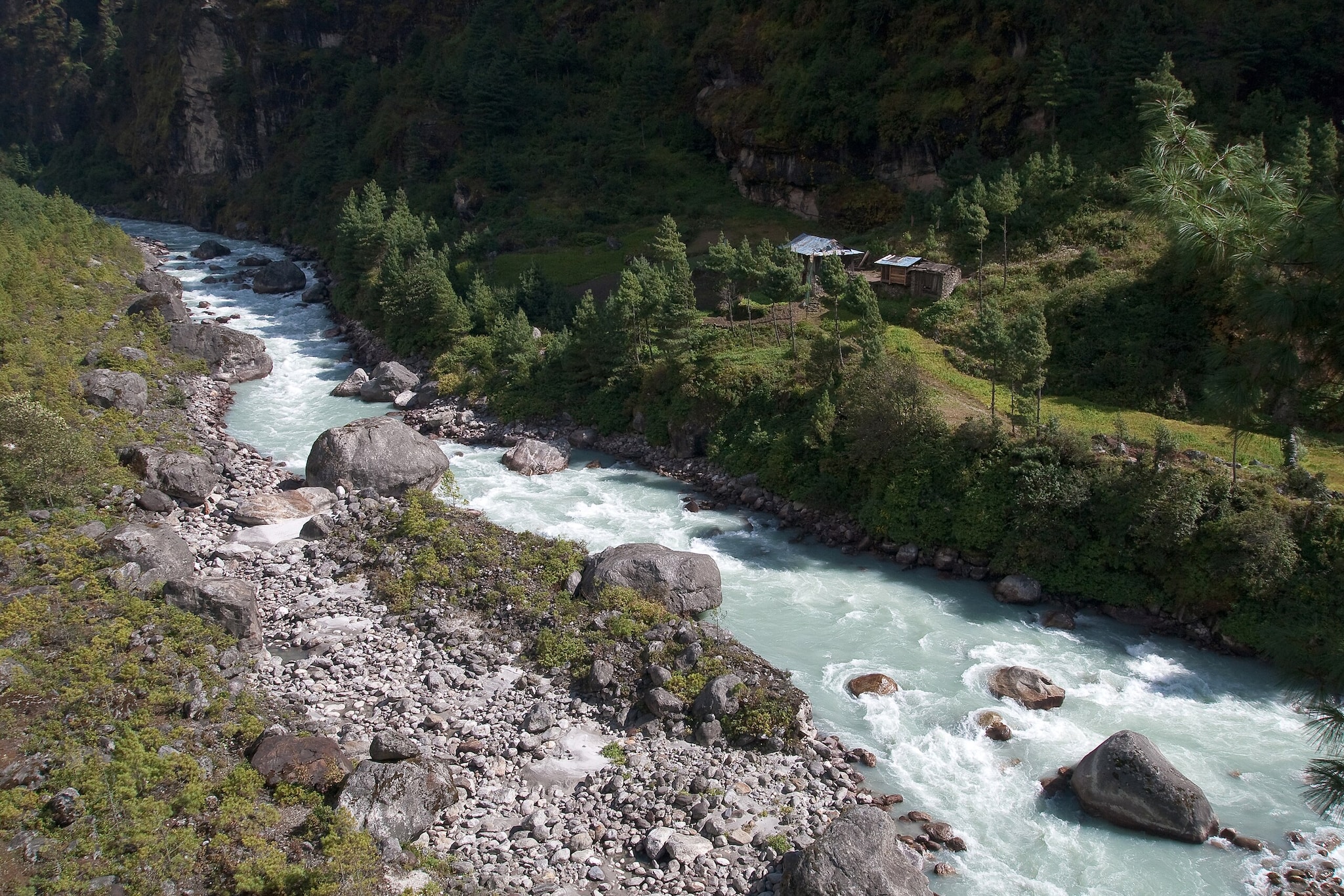
Kosi River is widely known as the ‘Sorrow Of Bihar’.The Kosi River basin is among the most complex river systems. Its catchment spans six geological and climatic belts, ranging from elevations above 8000 metres in the Tibetan Plateau to about 95 m in the Gangetic plains. (Image: Wikimedia Commons)
The river drains the Tibetan Plateau, the Himalayas, the Himalayan mid-hill belt, the Mahabharat Range, the Siwalik Hills and the Terai. (Image: Wikimedia Commons)
One of the major sub-basins, the Dudh Kosi, alone contains 36 glaciers and 296 glacier lakes, making the river highly sensitive to glacial melt and intense rainfall. (Image: Wikimedia Commons)
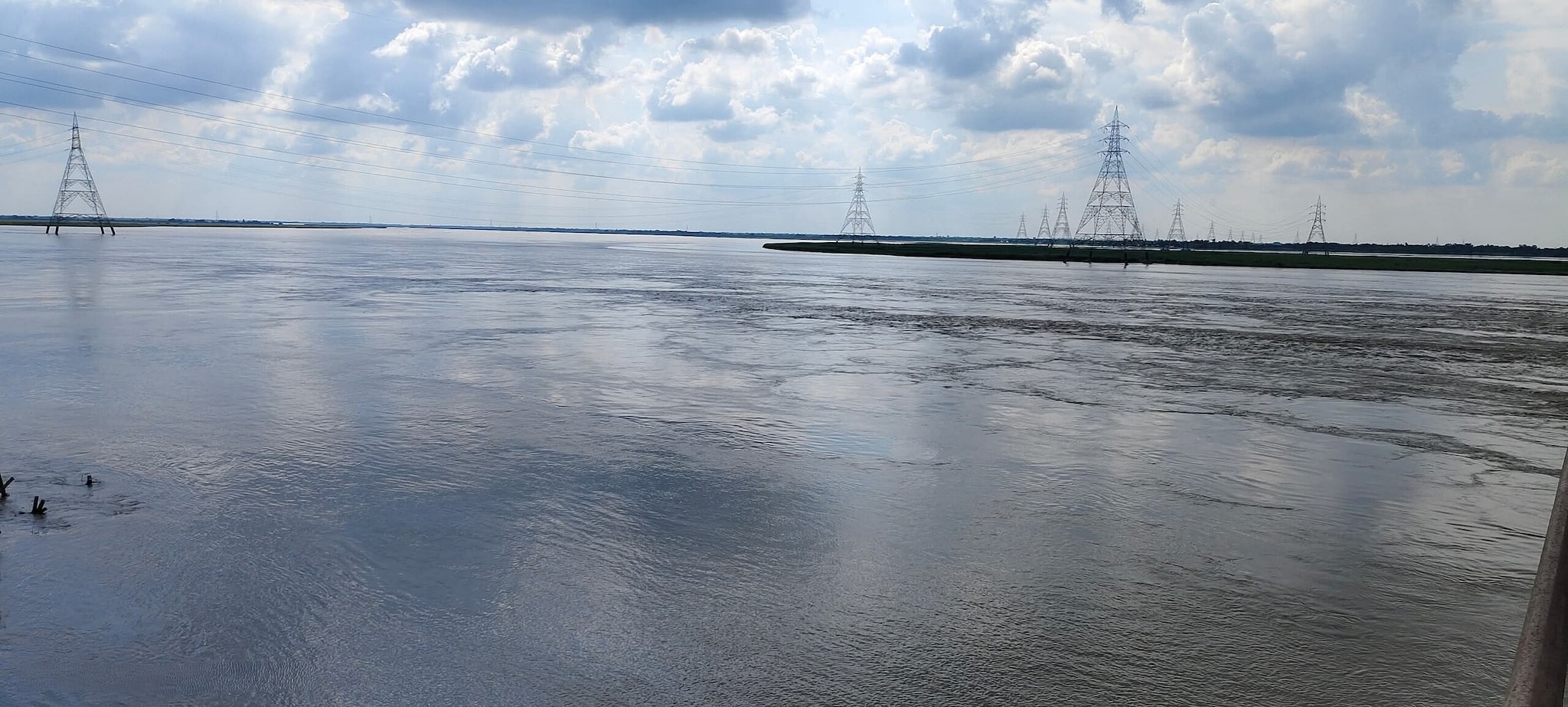
The Kosi basin is bordered by several major river systems: the Tsangpo (Yarlung Tsangpo) basin to the north, the Mahananda basin to the east, the Ganges basin to the south and the Gandaki basin to the west. (Image: Wikimedia Commons)
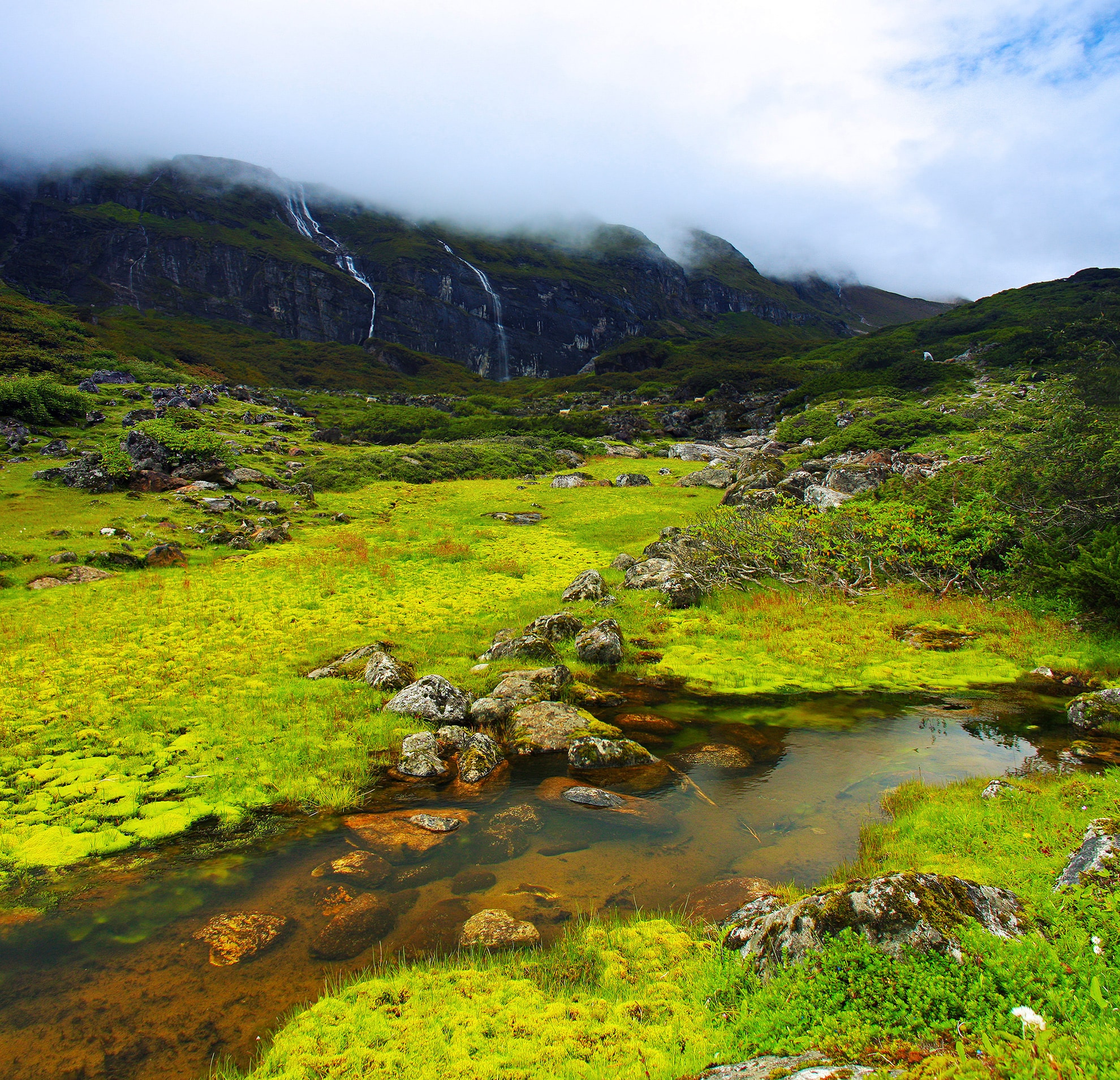
Upstream of the Chatra Gorge, the Kosi system is fed by eight major tributaries. From east to west, these include the Tamur River in eastern Nepal, the Arun River, and the Sun Kosi, along with its northern tributaries Dudh Kosi, Likhu Khola, Tama Koshi, Bhote Koshi and Indravati. (Image: Wikimedia Commons)
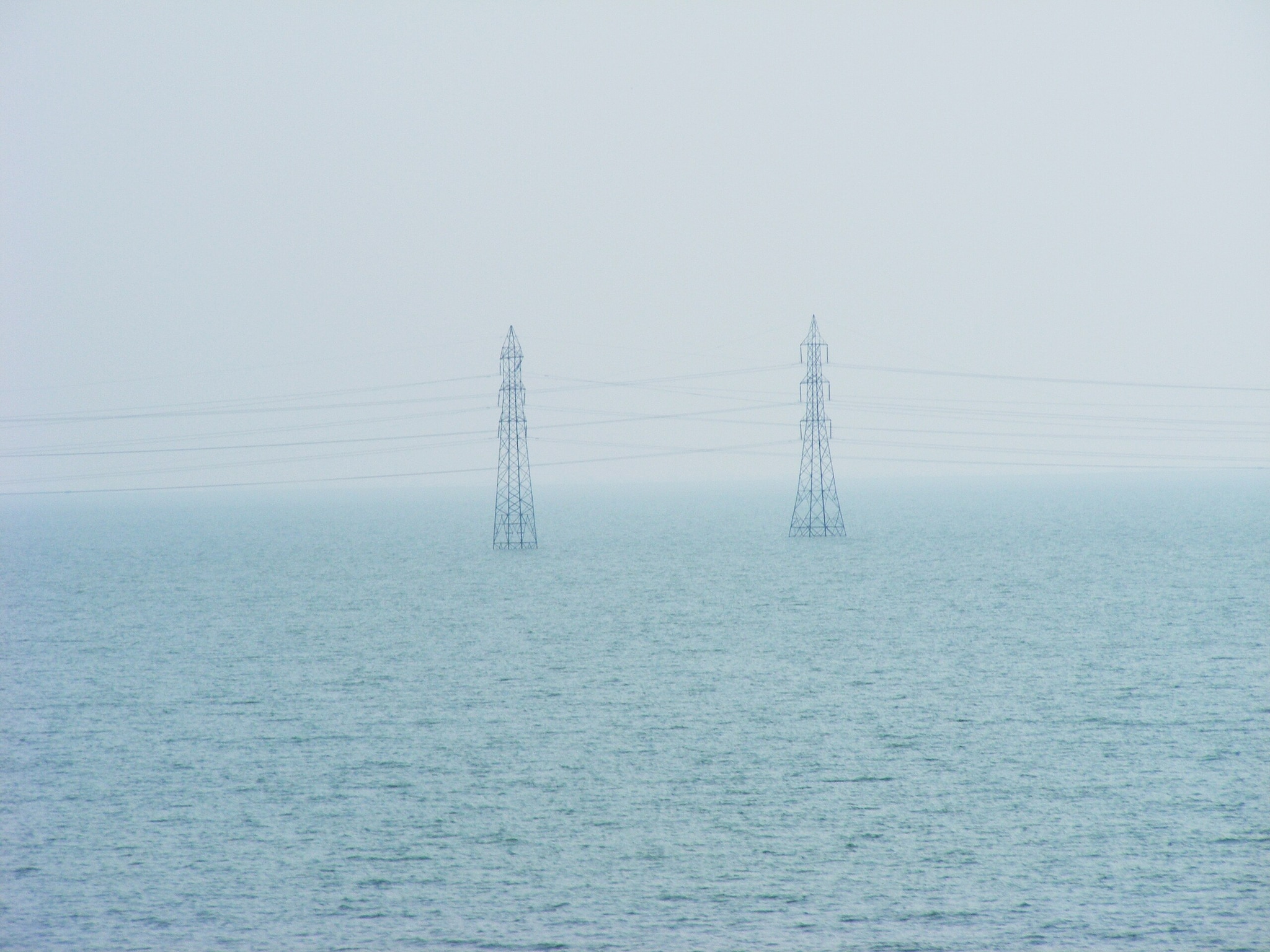
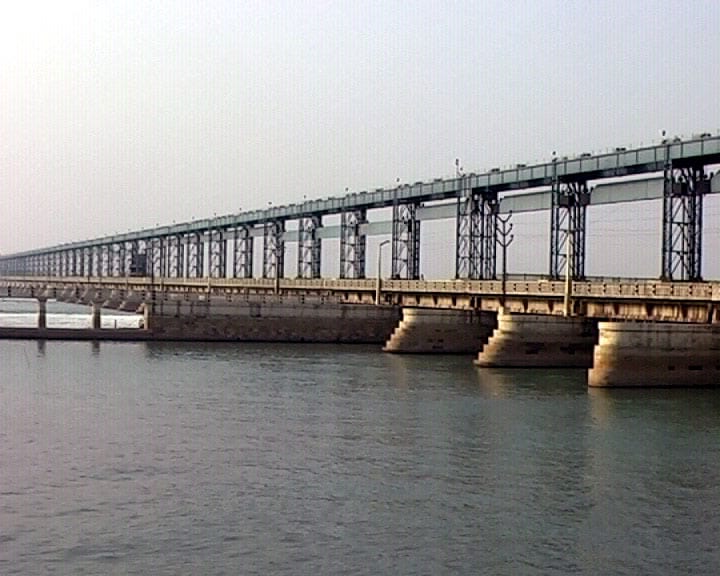
These major rivers converge at Triveni, after which the river is called the Sapta Koshi, meaning “Seven Rivers.” From this point, it flows through the deep and narrow Chatra Gorge. The gorge was formed because the Kosi is antecedent to the Himalayas—it existed before the mountains rose and gradually carved its path downward through the uplifting terrain rather than being deflected. After emerging from the gorge, the Sapta Koshi is controlled by the Koshi Barrage before entering the flat and flood-prone Gangetic plains. (Image: Wikimedia Commons)
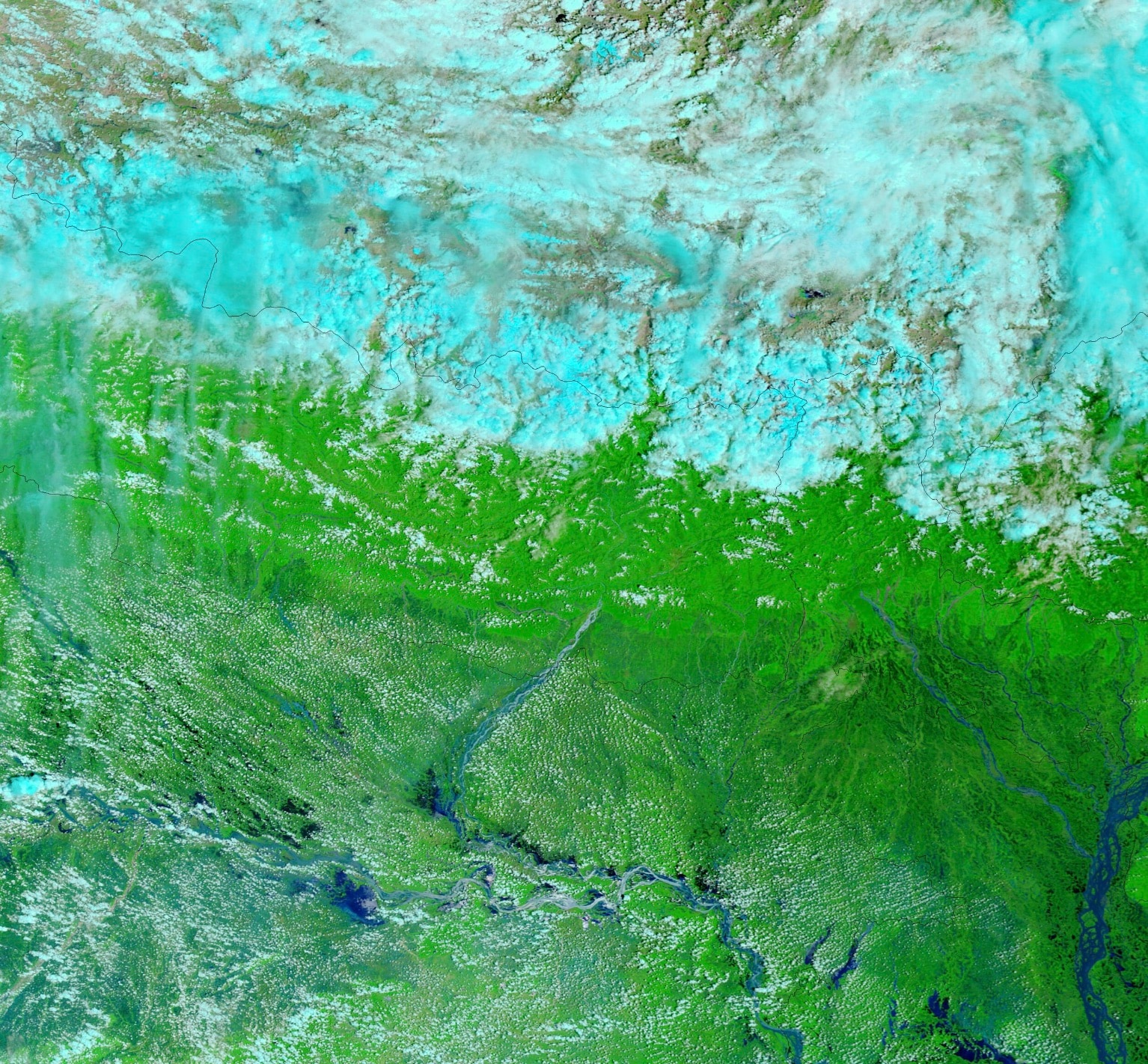
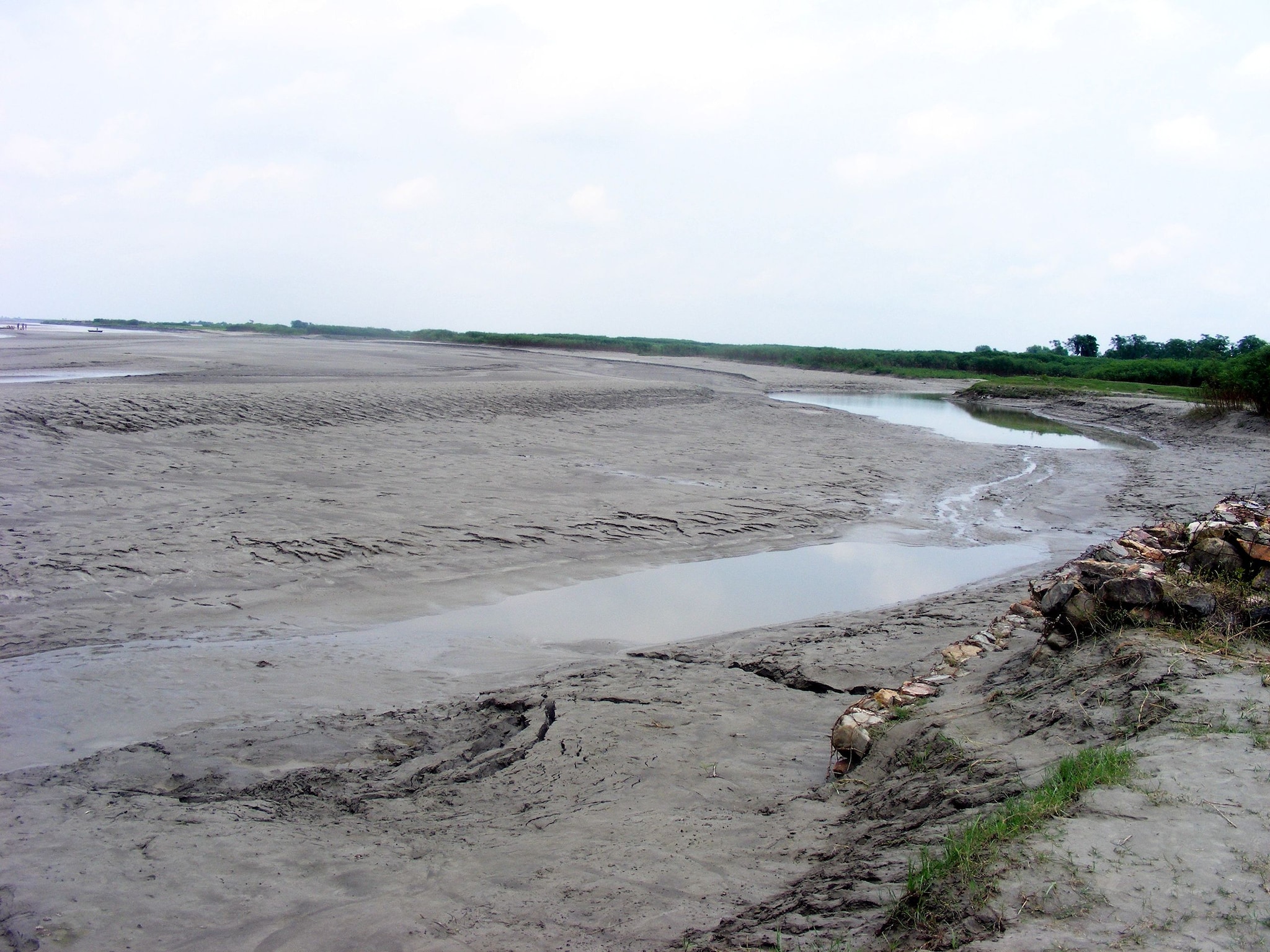
It is known as the “Sorrow of Bihar” because its frequent floods inundate fertile farmland year after year, severely disrupting the rural economy. The phrase captures centuries of recurring devastation—destroyed crops, damaged homes, and lost livelihoods—caused by a river born in the world’s highest mountains and unleashed across one of India’s most flood-prone plains. (Image: Wikimedia Commons)