




When people talk about the world’s best food cities, the same names usually come up. Paris. Tokyo. New York. Rome. But this year, the spotlight has shifted. According to Tripadvisor’s 2026 Travellers’ Choice Awards, London has taken the top spot as the world’s leading food destination. The result has surprised many, but frequent visitors say it makes perfect sense.
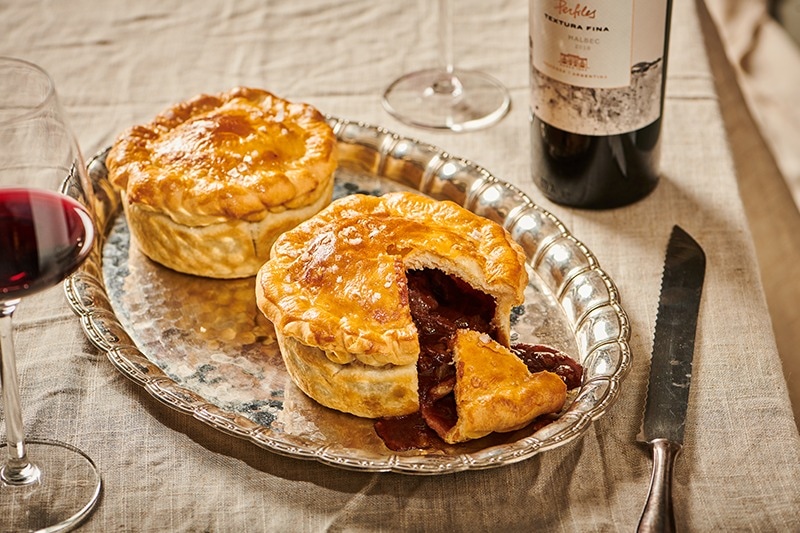
London’s strength lies in its sheer diversity. The city’s food culture reflects centuries of migration and global influence. On a single street, you can move from Indian curries to Middle Eastern grills, Caribbean jerk dishes, East Asian noodles and classic British pies. Few cities allow travellers to taste so many cuisines without crossing neighbourhood lines. That variety is what sets London apart.

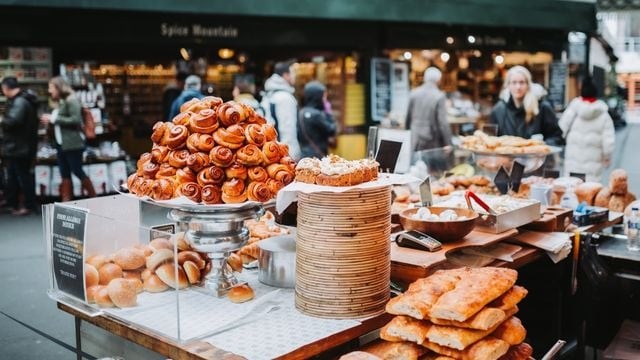
One of the clearest examples of this culinary mix is Borough Market. It is one of the oldest food markets in the city and remains one of the busiest. The market is packed with stalls selling artisan bread, cheeses, fresh seafood, pastries, handmade chocolates and global spices. Tourists and locals mingle freely here. It feels less like a market and more like a food festival that never ends.
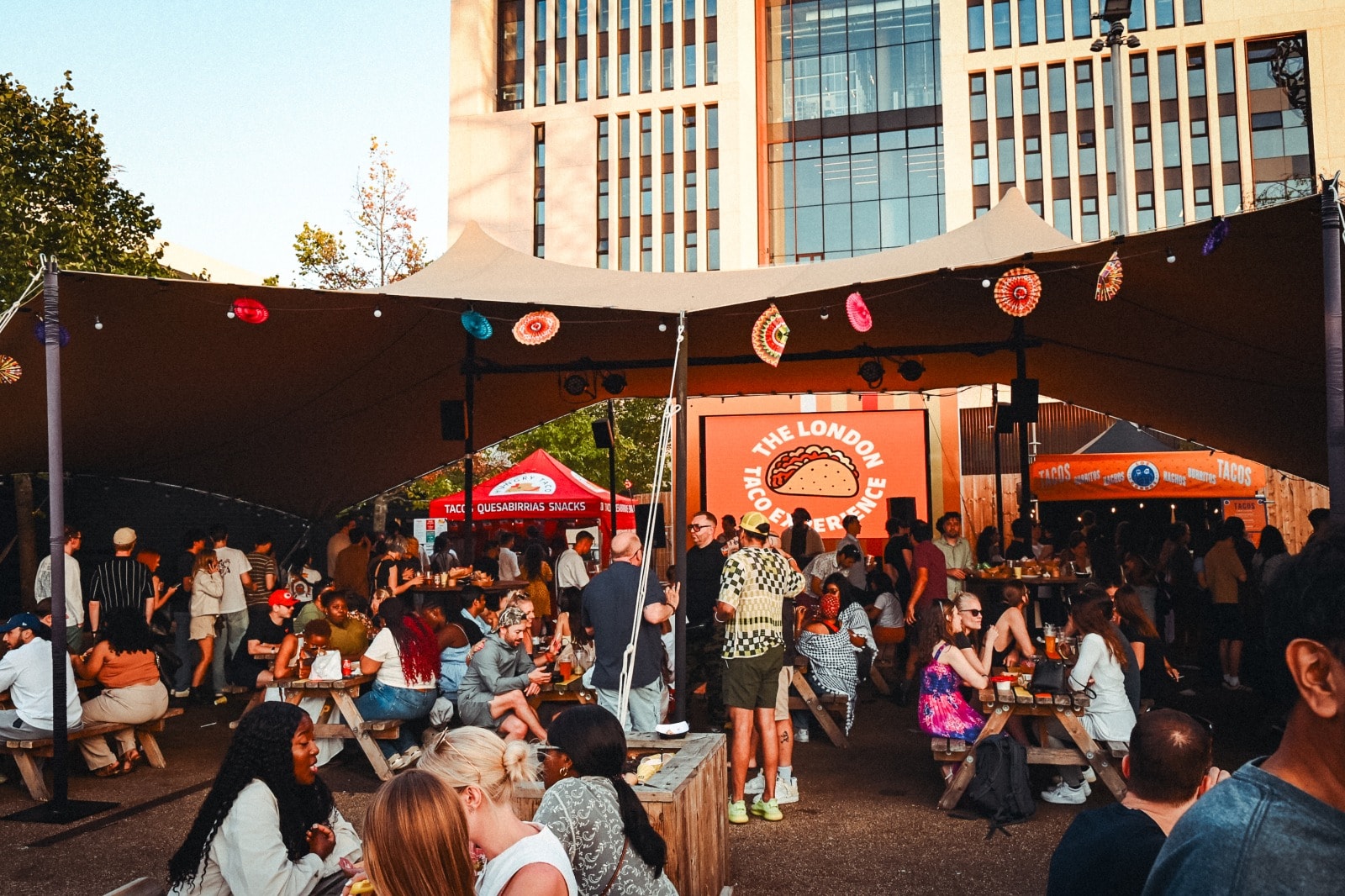
East London adds another layer to the experience. Broadway Market draws large crowds every weekend with more than a hundred stalls. Visitors can sample inventive tacos, Asian fusion dishes and handmade desserts in one afternoon. A short walk away, Maltby Street Market offers a quieter but equally rich experience. Tucked under railway arches, it specialises in local favourites and small-batch producers.
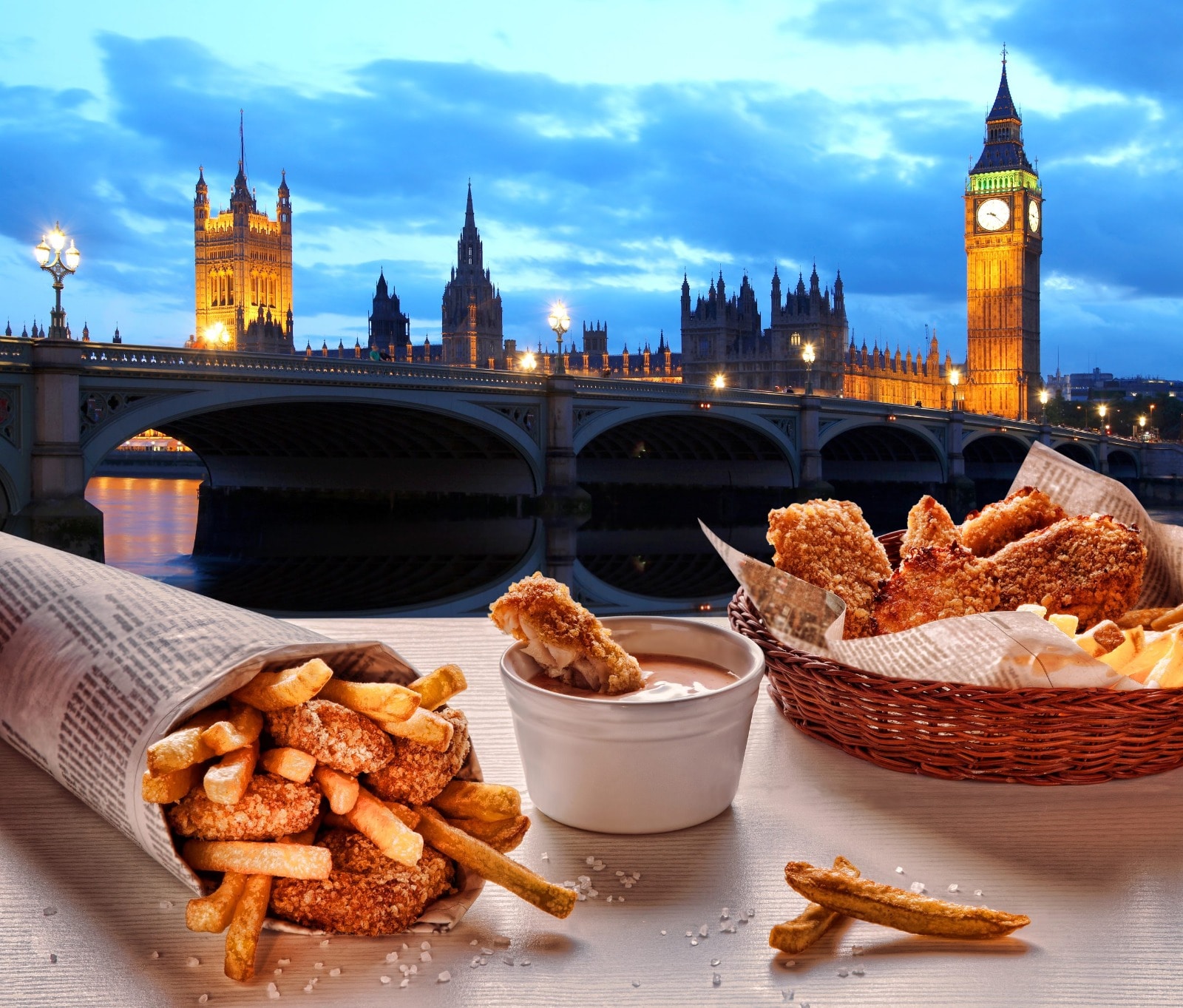
London’s food story is not just about street eats and markets. The city is also a heavyweight in fine dining. It is home to around 85 Michelin-starred restaurants. These range from modern European kitchens to contemporary Indian and Mediterranean concepts. Many chefs here focus on reinventing traditional recipes with global techniques.
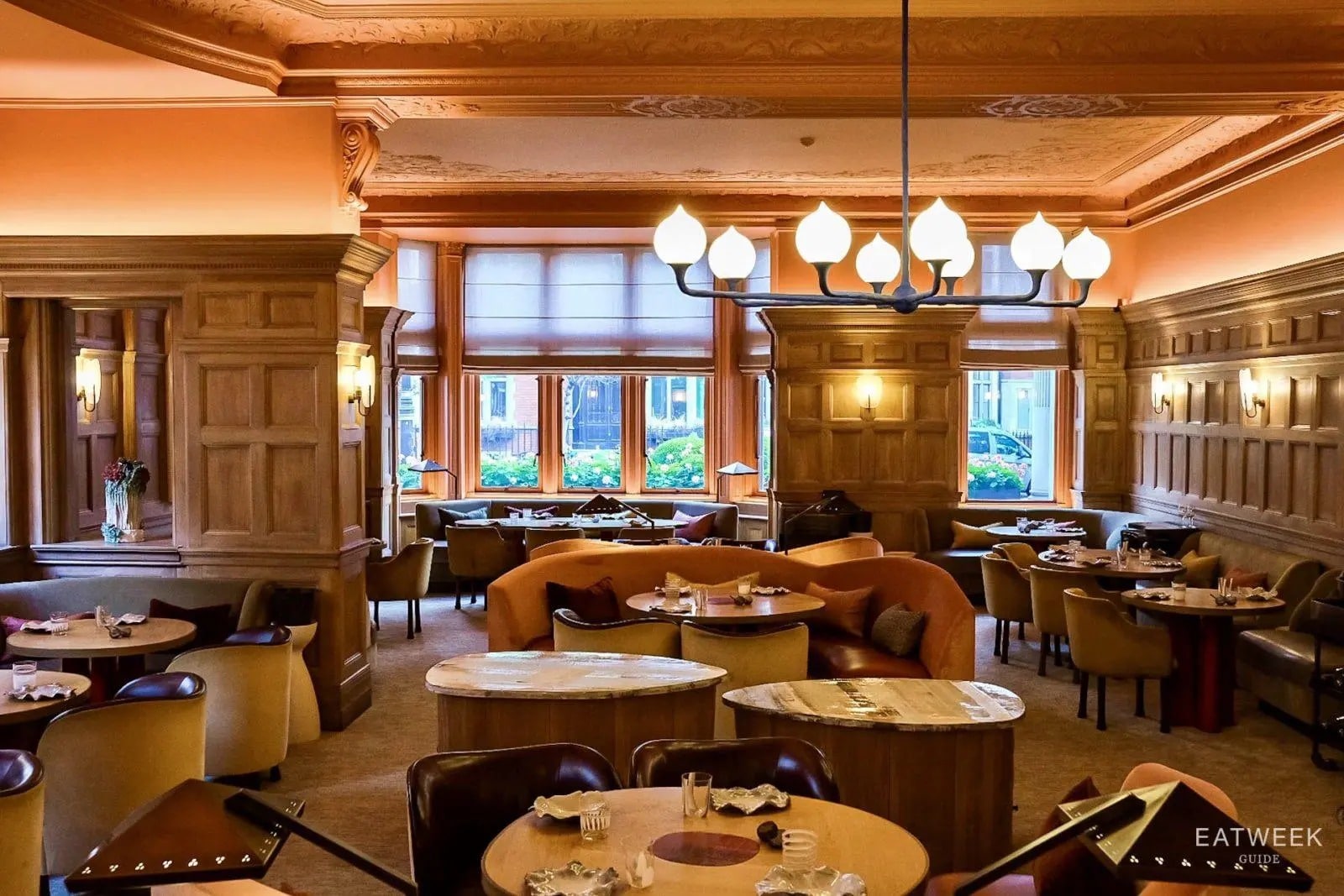
Among the most celebrated names are three-Michelin-starred restaurants like Hélène Darroze at The Connaught, Core and The Ledbury. These establishments are known for refined tasting menus and meticulous presentation. Despite their prestige, many aim to keep flavours familiar and comforting. That balance between innovation and tradition defines London’s fine dining appeal. It is luxury without intimidation.

What truly makes London stand out is accessibility. You don’t need a reservation or a big budget to eat well. Office workers grab street food after work. Families spend weekends hopping between markets. Tourists can enjoy pastries, sandwiches or global snacks at almost any hour. Good food here isn’t limited to special occasions.

London’s neighbourhoods play a big role in shaping its food identity. South Asian cuisine thrives in areas like Southall. African and Caribbean flavours dominate parts of Brixton and Peckham. Chinatown remains a constant draw for East Asian food lovers. Each area feels like a different culinary world within the same city. That patchwork keeps the food scene constantly evolving.
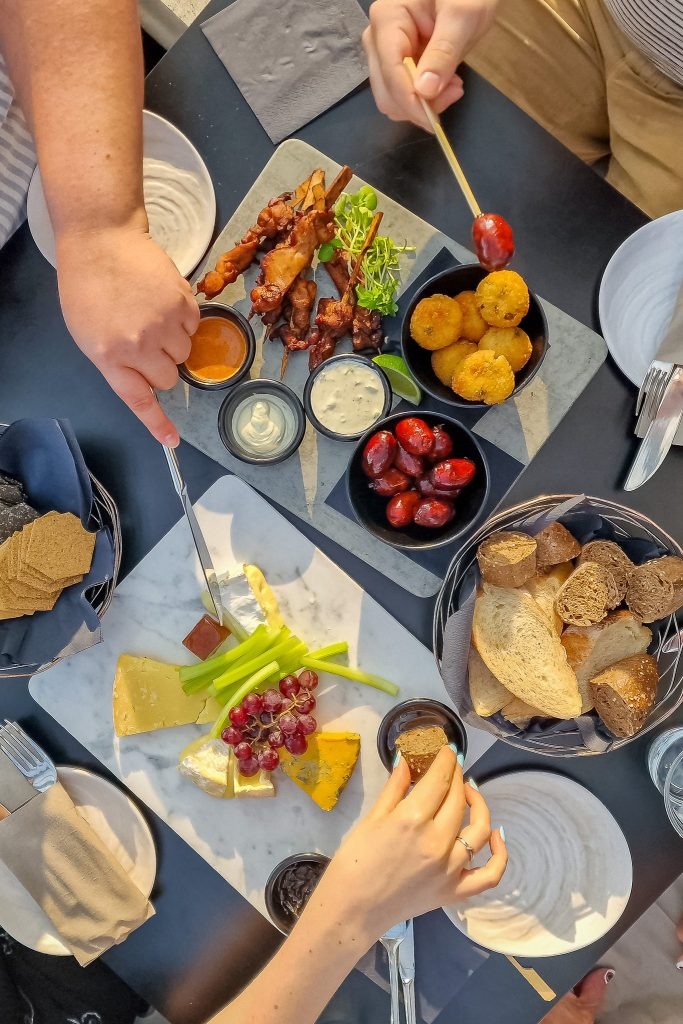
Timing your visit can enhance the experience. The best months to explore London’s food scene are May to September, when the weather is pleasant. Outdoor markets, food festivals and pop-ups take over public spaces. December also draws visitors with festive markets and seasonal treats. Cold weather doesn’t slow London’s appetite.
London’s rise to the top signals a shift in how food destinations are judged. It’s no longer just about tradition or famous dishes. Variety, accessibility and cultural exchange now matter more than ever. By blending street food, fine dining and global influences, London has earned its place at the top. And it doesn’t look ready to give that crown away anytime soon.