




Taking a career break, whether for personal reasons, professional development, or simply to recharge, has become increasingly common in today’s fast‑paced world. While the idea of stepping away from work can feel liberating, it also comes with potential drawbacks. Understanding both sides of the equation is essential before making such a decision. First, let’s look at the pros. (Image: Canva)
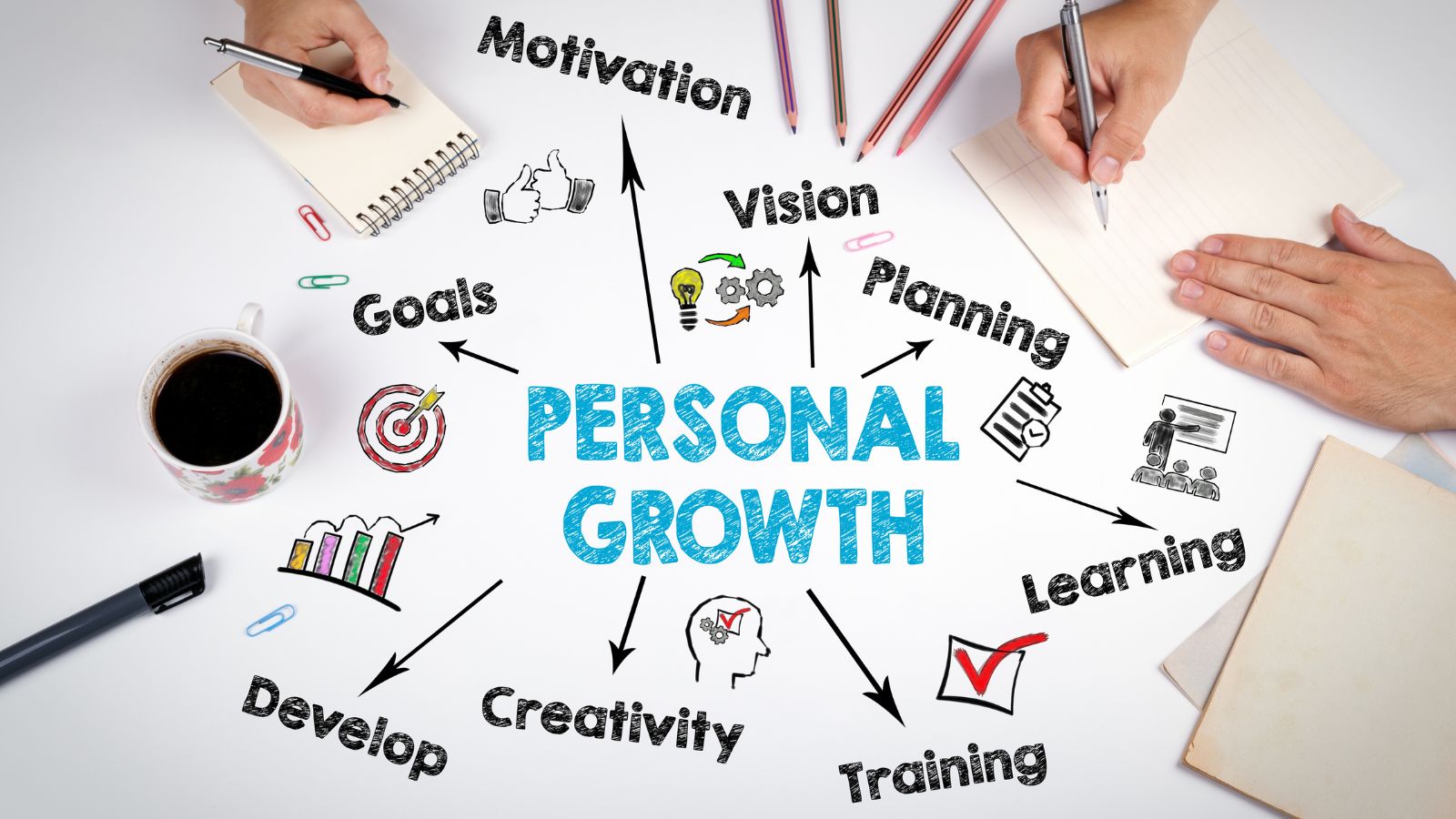
Time for Personal Growth and Reflection: One of the biggest advantages of a career break is the opportunity to pause and reflect. Many professionals feel trapped in the cycle of deadlines and responsibilities, leaving little room for self‑discovery. A break allows individuals to reassess their goals, values, and long‑term aspirations. (Image: Canva)

Improved Mental and Physical Health: Burnout is a growing concern across industries. A career break can provide much‑needed rest, reducing stress and improving overall well‑being. Some use this time to focus on fitness, mindfulness, or therapy, which can lead to healthier habits that carry over once they return to work. (Image: Canva)

Pursuing Education or Skill Development: Career breaks are often used to pursue higher education, certifications, or new skills. This can make professionals more competitive when they re‑enter the workforce. For example, someone in marketing might take a break to learn data analytics, enhancing their career prospects. (Image: Canva)

Family and Caregiving Responsibilities: Many people take breaks to care for children, elderly parents, or other family members. This time can strengthen relationships and provide emotional fulfillment. Employers are increasingly recognizing caregiving as a valid reason for career gaps. (Image: Canva)

Travel and Cultural Exposure: For those who love adventure, a career break offers the chance to travel extensively. Experiencing new cultures can broaden perspectives, improve adaptability, and even inspire new career directions. (Image: Canva)

Renewed Motivation: Stepping away from routine work often reignites passion. Professionals return with fresh energy, creativity, and motivation, which can improve performance and job satisfaction. Now a look at the cons of a career break. (Image: Canva)

Financial Strain: The most immediate drawback is financial. Without a steady income, savings may deplete quickly. Planning ahead is crucial; budgeting for living expenses, healthcare, and emergencies ensures the break doesn’t become a source of stress. (Image: Canva)
Career Progression Delays: Taking time off can slow promotions or salary growth. In competitive industries, colleagues who remain may advance faster, leaving returnees feeling behind. (Image: Canva)

Skill Atrophy: Depending on the length of the break, professionals may lose touch with industry trends, technologies, or practices. For example, IT specialists may find themselves outdated if they step away during a period of rapid innovation. (Image: Canva)

Re‑entry Challenges: Explaining a career gap to employers can be difficult. While attitudes are shifting, some recruiters still view breaks skeptically. Job seekers must frame their time off positively, highlighting transferable skills gained during the break. (Image: Canva)

Loss of Professional Network: Being away from the workplace can weaken professional connections. Networking events, industry updates, and casual office interactions are missed, which may make re‑entry harder. (Image: Canva)

Emotional Impact: Not everyone thrives during a career break. Some may feel isolated, anxious about finances, or uncertain about the future. Without structure, the break can lead to frustration rather than rejuvenation. (Image: Canva)