




When the fog rolls into Punjab’s fields and the chill sets in, kitchens across the state come alive with aromas of ghee, jaggery, and slow‑cooked greens. Punjabi winter food isn’t just about nourishment; it’s about comfort, nostalgia, and resilience against biting cold. Here are some of the most loved dishes, complete with recipes you can try at home.
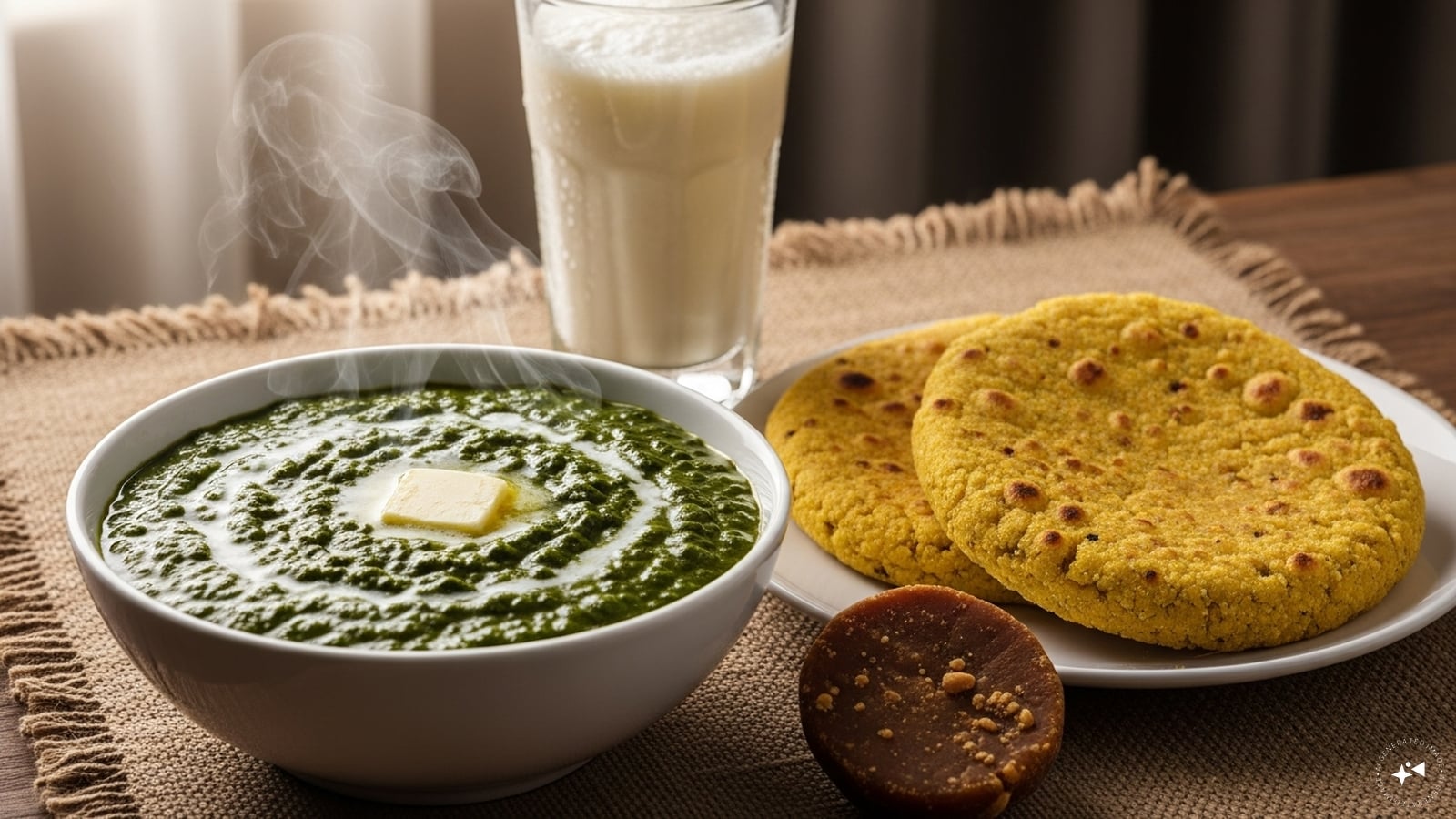
Sarson da Saag with Makki di Roti: No Punjabi winter is complete without this iconic duo. Mustard greens (sarson) are slow‑cooked with spinach and bathua leaves, then blended into a creamy saag. This dish is earthy, wholesome, and best enjoyed with jaggery and a glass of lassi.
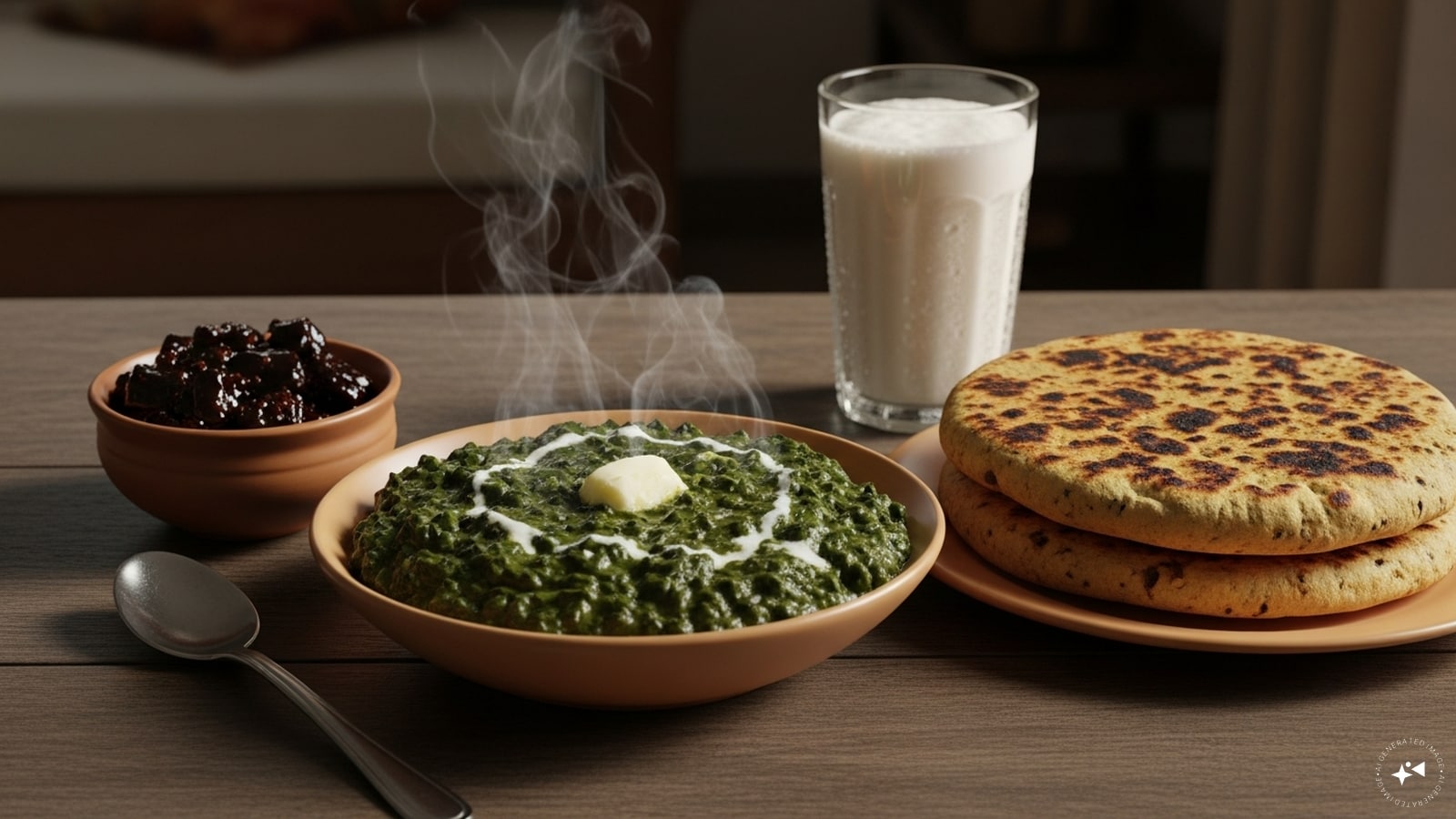
Ingredients: 2 bunches mustard greens | 1 bunch spinach | 1 bunch bathua (optional) | 2-3 green chilies | 5-6 garlic cloves | 1 inch ginger | ¼ cup corn flour | 2 tbsp ghee | Salt to taste
Method: Wash and chop the greens. Boil them with chilies, garlic, ginger, and salt for about an hour. Blend into a coarse purée. Add corn flour and simmer until thickened. Prepare a tadka with ghee, onions, and ginger, then mix into the saag. Serve hot with makki di roti (cornmeal flatbread), topped with a dollop of white butter.
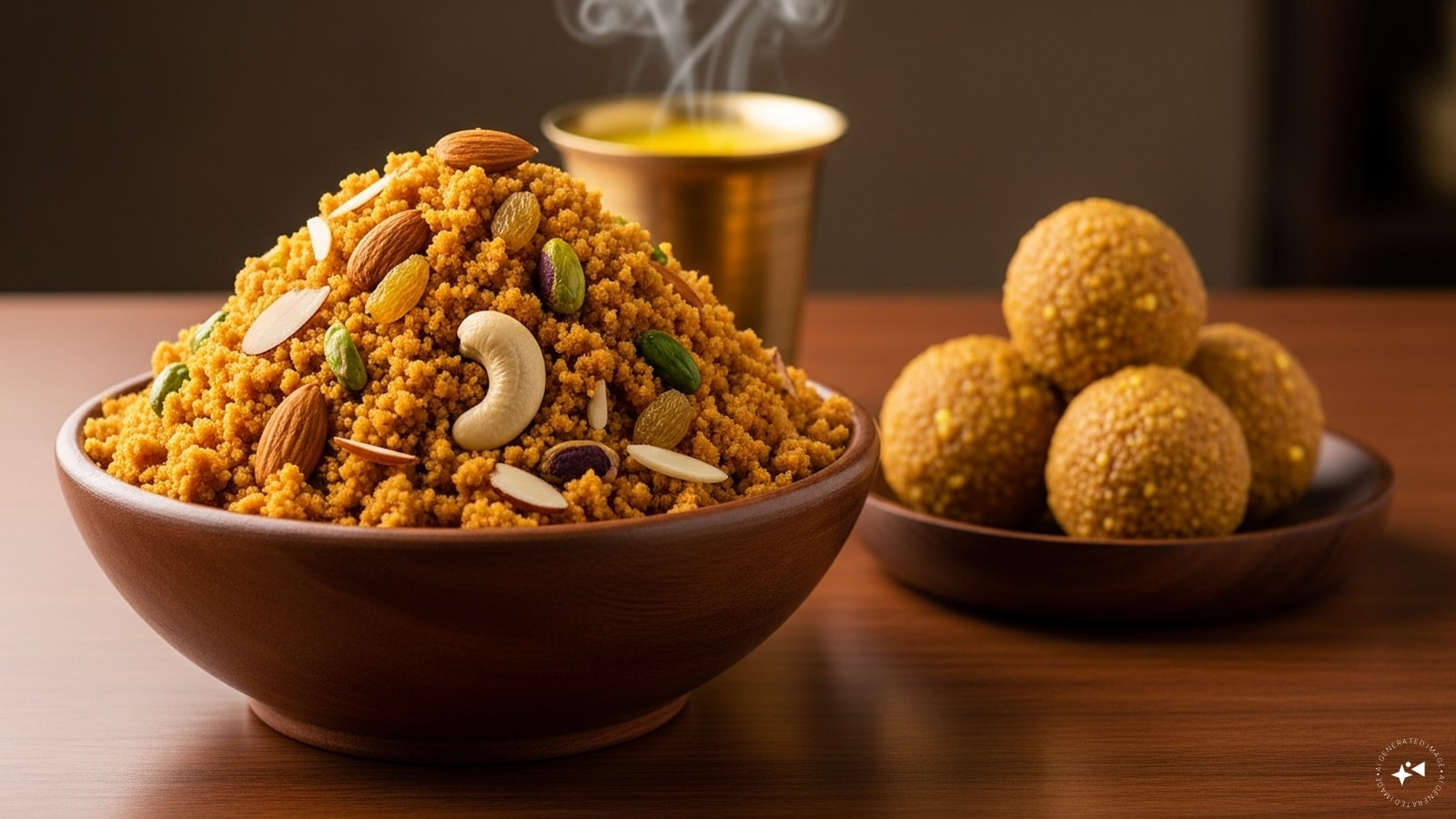
Panjiri: A traditional winter sweet, panjiri is packed with dry fruits, whole wheat flour, and ghee. It’s considered a natural immunity booster. Panjiri is eaten as a snack or shaped into ladoos. It’s warming, nutritious, and perfect with turmeric milk.
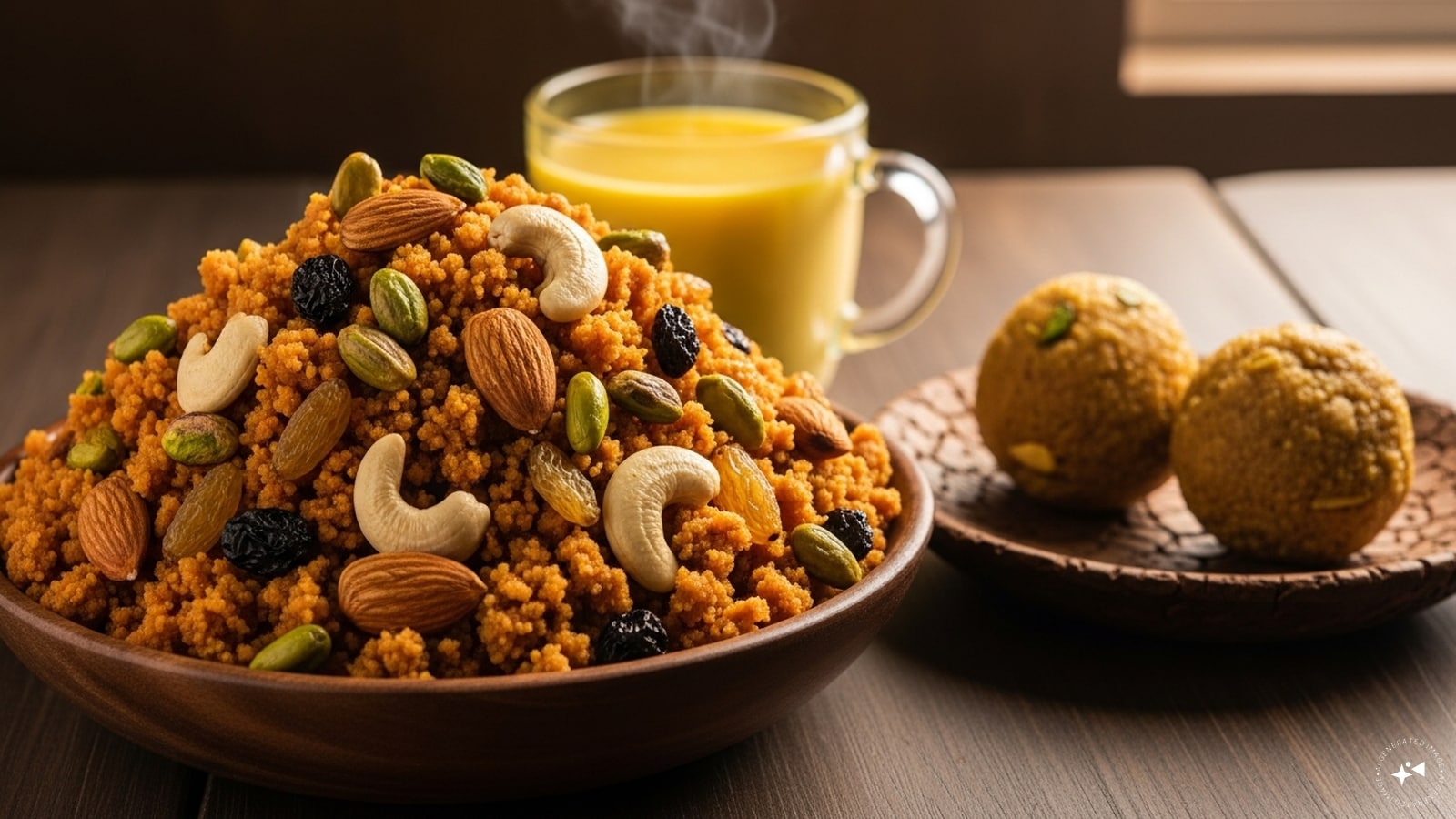
Ingredients: 1 cup whole wheat flour | ¼ cup semolina (rava) ½ cup ghee | ½ cup sugar powder | 2 tbsp gondh (edible gum) | ⅓ cup makhana (foxnuts) | ¼ cup almonds, cashews, pistachios | 2 tbsp dry coconut slices | 1 tbsp melon seeds, flax seeds, poppy seeds | ½ tsp each of dry ginger, nutmeg, and cardamom powder
Method: Heat ghee and fry gondh until puffed; set aside. Roast makhana, nuts, seeds, and coconut individually in ghee. Grind coarsely. Roast flour and semolina in ghee until golden brown. Add powdered spices and sugar. Mix with the dry fruit blend. Store in an airtight jar.
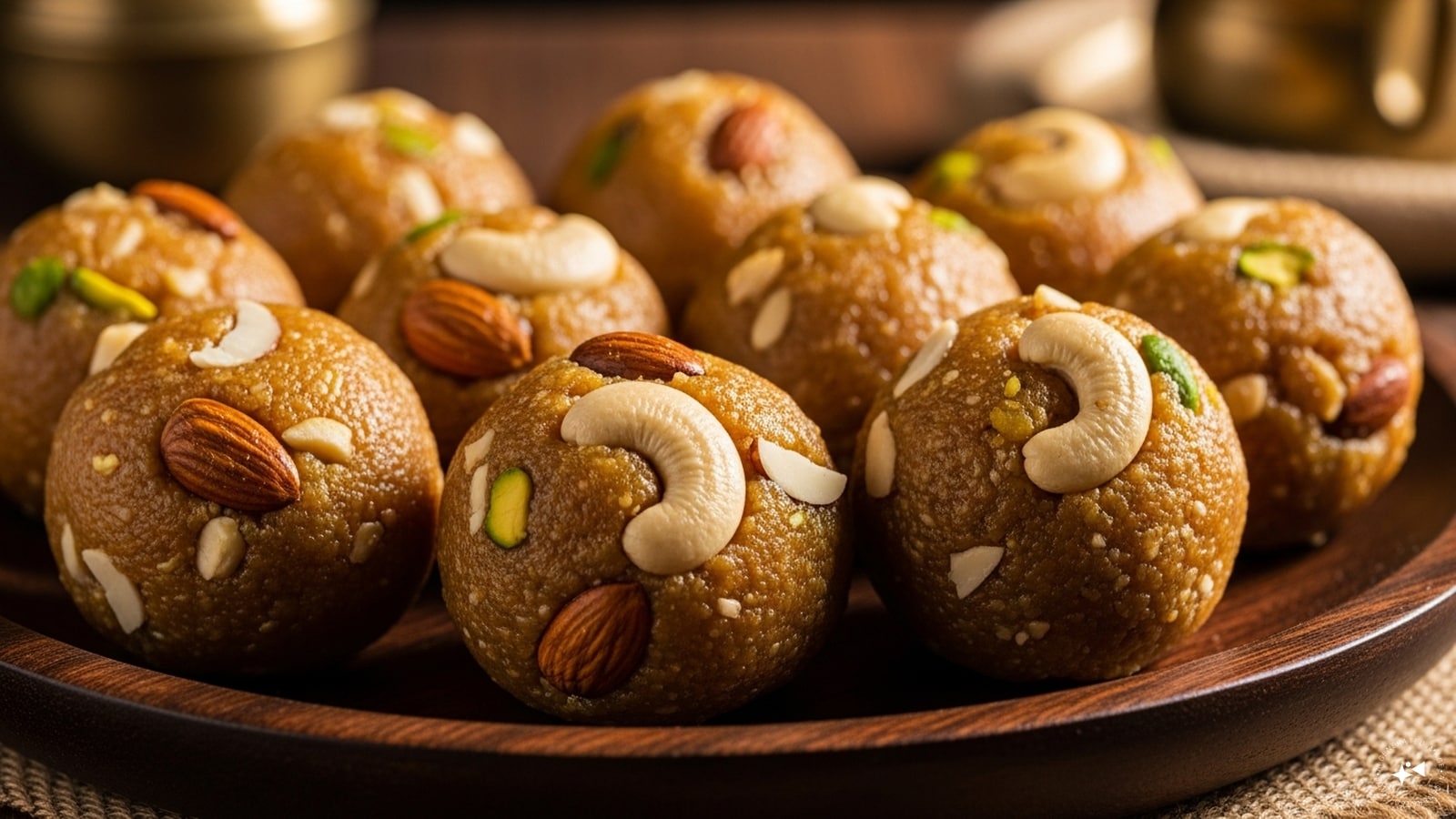
Pinni: Another winter classic, pinnis are rich Punjabi sweets made with wheat flour, ghee, jaggery, and nuts. They’re denser than panjiri and shaped into round ladoos. Pinnis are heavy, energy‑packed, and often made in large batches to last through the season.
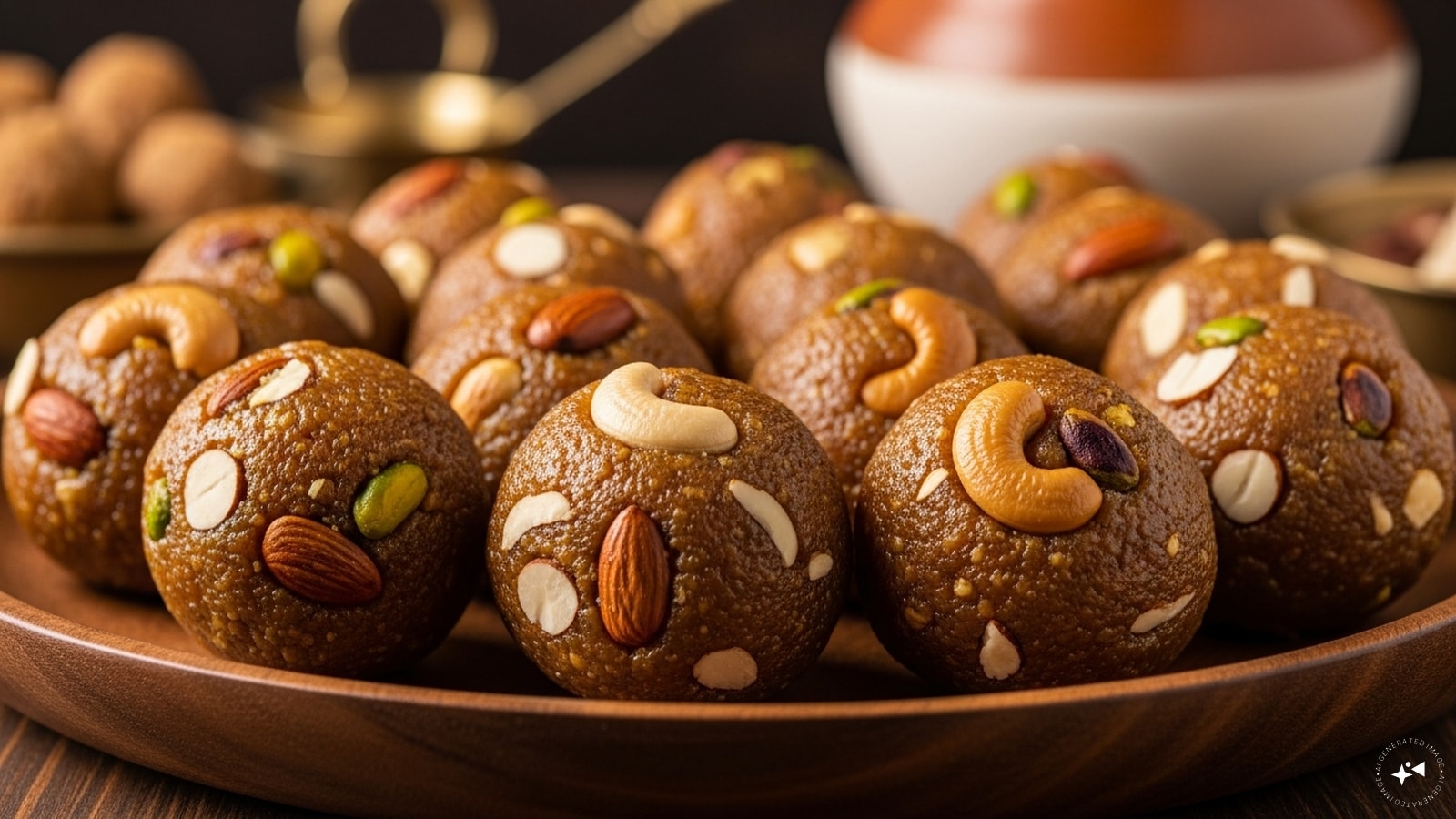
Ingredients: 2 cups wheat flour | 1 cup ghee | 1 cup jaggery (grated) | ½ cup mixed nuts (almonds, cashews, pistachios) | 2 tbsp edible gum (gondh) | 1 tsp cardamom powder
Method: Roast gondh in ghee until puffed, then crush. Roast flour in ghee until aromatic. Add nuts and cardamom powder. Mix in jaggery while warm. Shape into firm ladoos.

Gur Wali Chai: This comforting drink replaces sugar with jaggery, giving tea a caramel‑like depth. It’s believed to warm the body and aid digestion. Best enjoyed piping hot on foggy mornings.
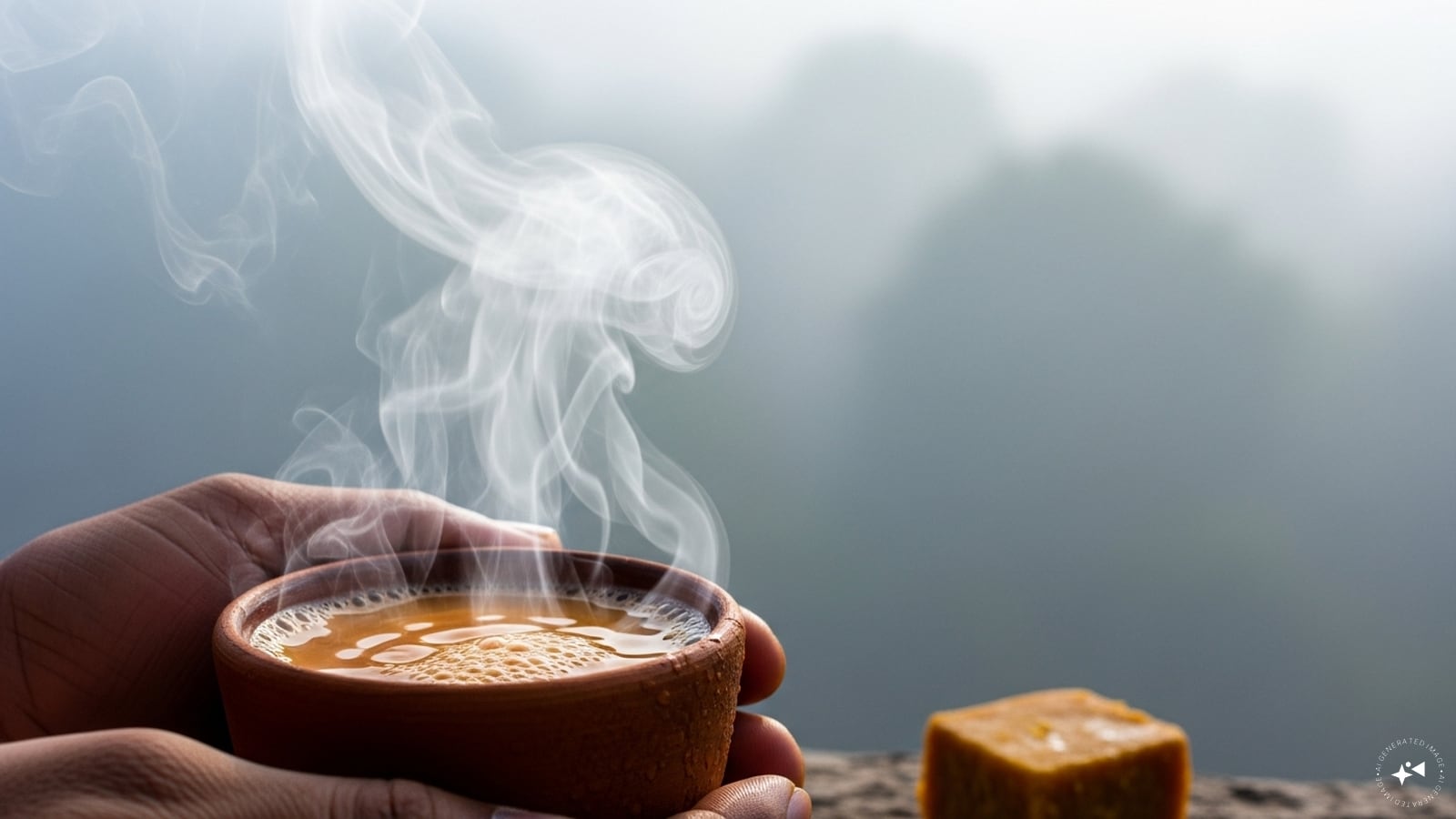
Ingredients: 2 cups water | 1 cup milk | 2 tsp tea leaves | 2-3 tsp grated jaggery | 2-3 cardamom pods | 1 small piece ginger
Method: Boil water with ginger and cardamom. Add tea leaves and simmer. Pour in milk and bring to a boil. Strain and stir in jaggery.
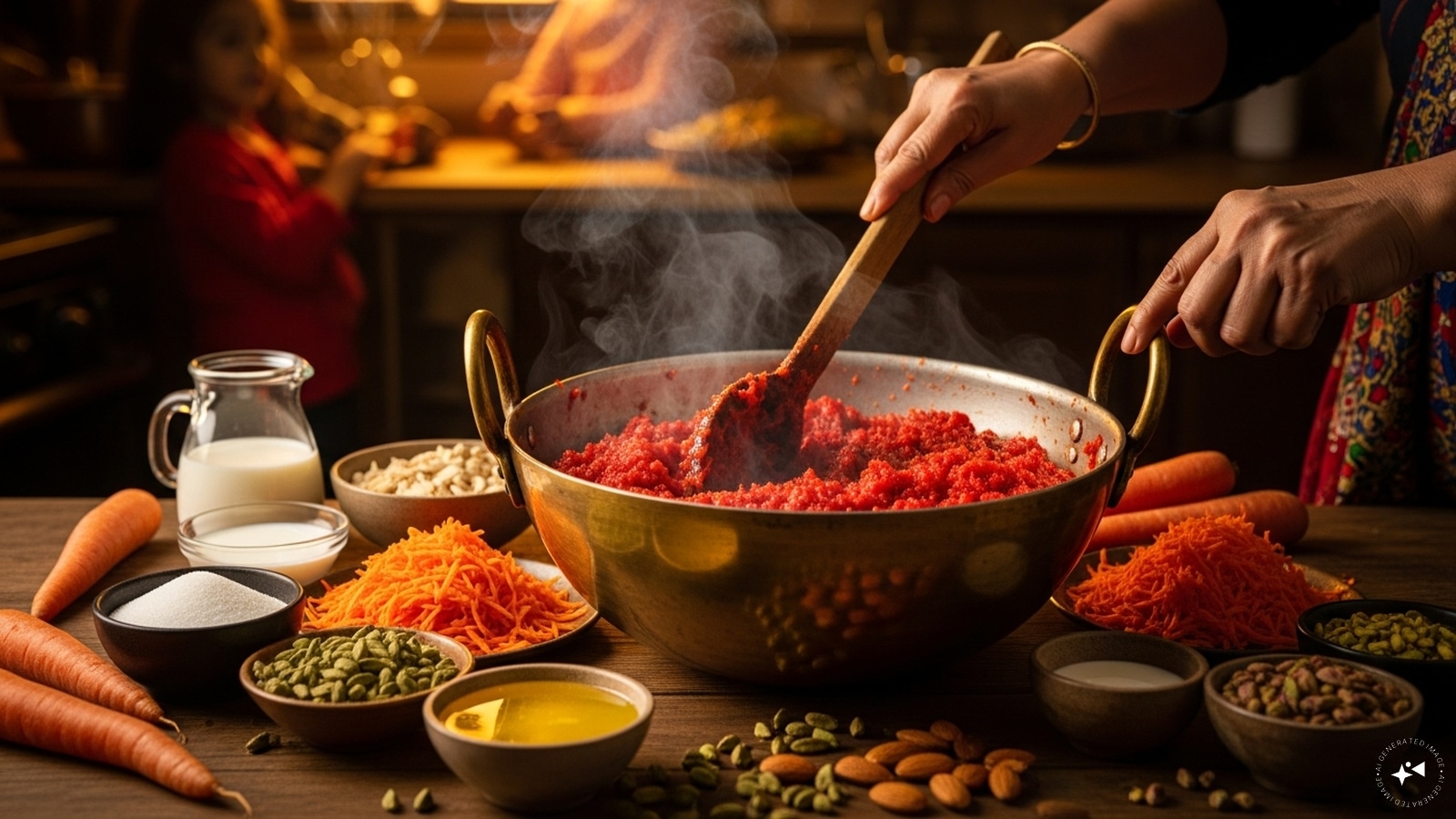
Gajar ka Halwa: Though popular across India, in Punjab it’s a winter staple thanks to the abundance of red carrots. This halwa is indulgent, festive, and often made in large pots to share with family and neighbors.
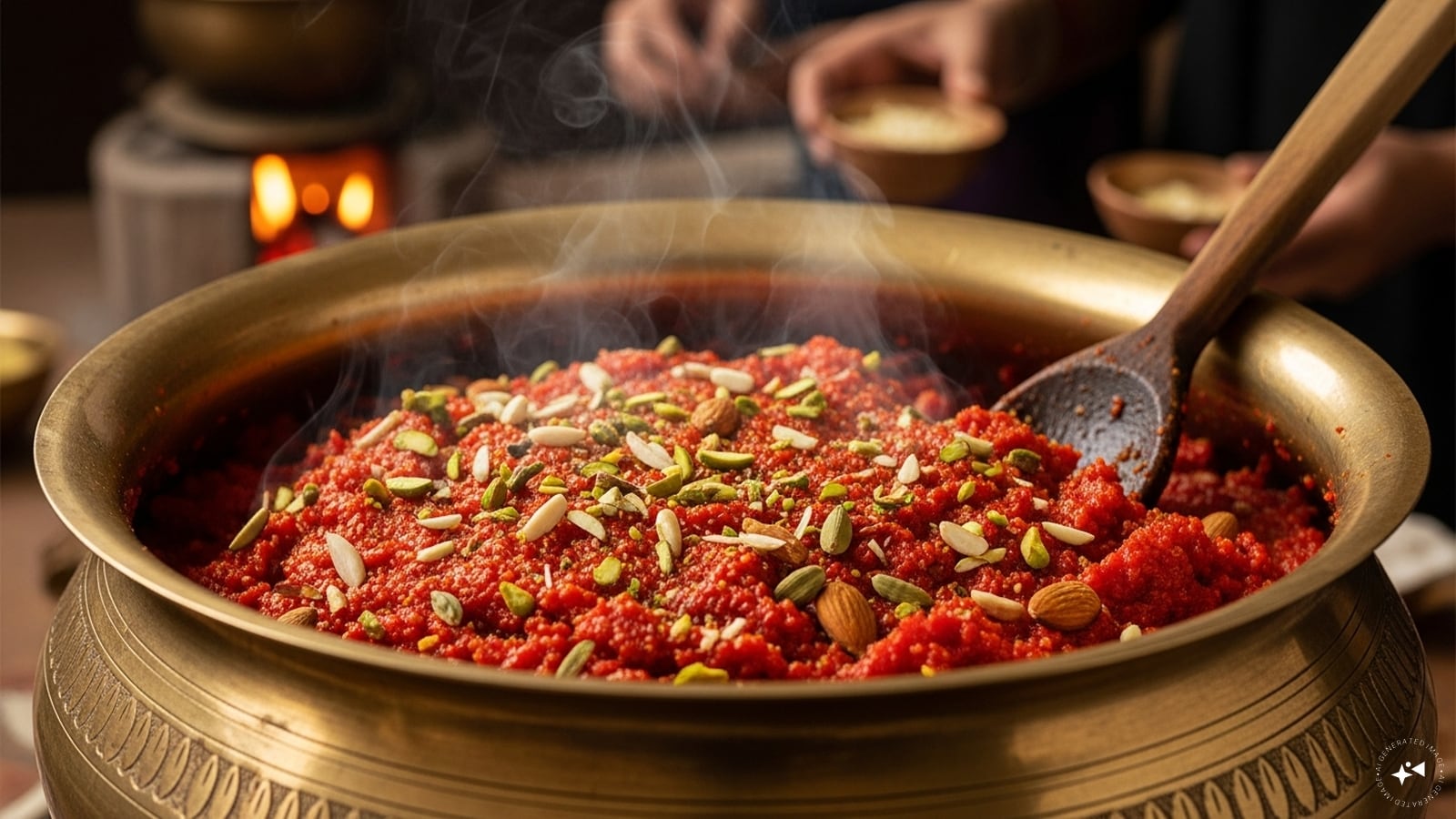
Ingredients: 1 kg red carrots, grated | 1 litre full‑fat milk | 1 cup sugar | ½ cup ghee | ½ cup khoya (optional) | ¼ cup nuts and raisins
Method: Cook grated carrots in milk until soft. Add sugar and ghee, stirring until thick. Mix in khoya for richness. Garnish with nuts and raisins.