




Vitamin E is a fat-soluble vitamin which acts as an antioxidant in the body, serving as the body’s frontline guard against radicals-those highly reactive molecules, that can damage our cellular structures. The nutrient acts as an antioxidant, that not only tempers inflammation, but also promotes overall well‑being. Sufficient Vitamin E levels support a healthy system, help maintain supple skin, and may lower the risk of chronic ailments such as, heart disease and osteoporosis. Let’s dig deeper…What does vitamin E actually do in the bodyBy scavenging radicals that would otherwise damage cell membranes, DNA and proteins, vitamin E shields our cells from damage, and bolsters the system, giving the body’s defenses an edge against infections. Evidence also shows that vitamin E dampens inflammation-a factor in age‑related conditions, such as arthritis and heart disease. Research indicates it can help preserve bone health by curbing the processes that contribute to osteoporosis. Additionally, Vitamin E may slow the progression of disorders like Alzheimer’s, by protecting brain cells from stress.
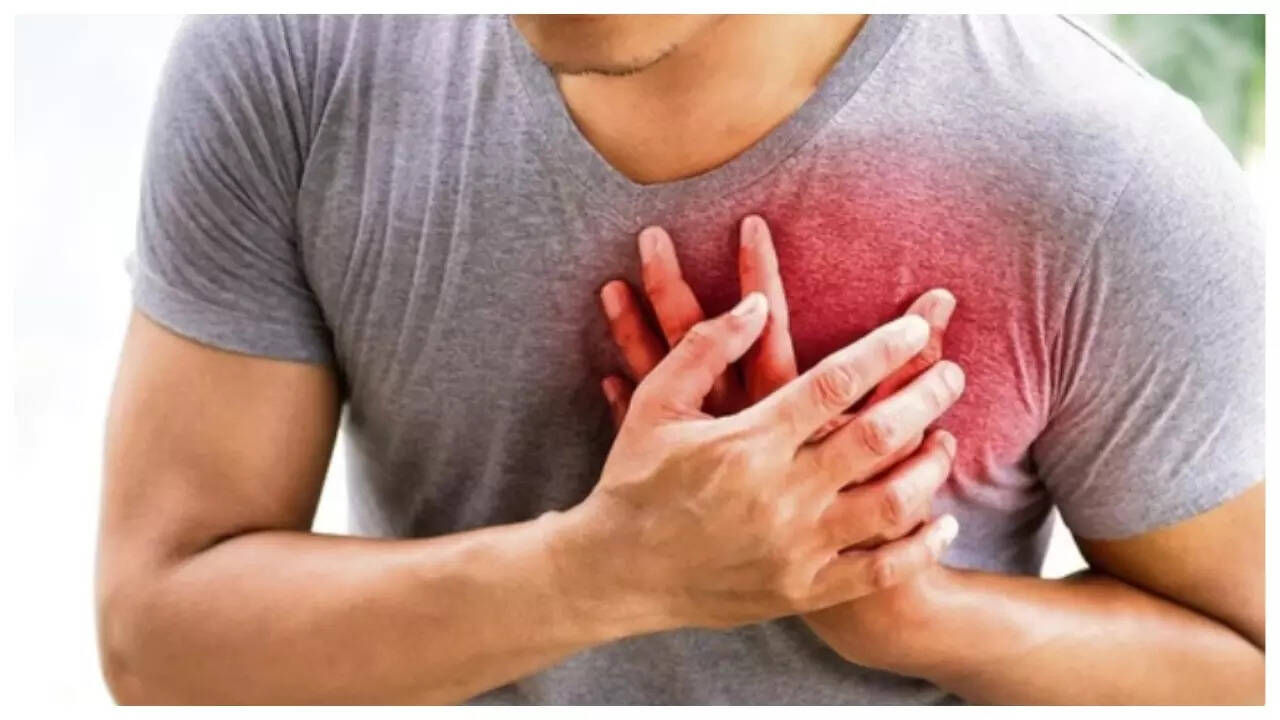
Harvesting Vitamin E from mealsVitamin E appears naturally in an array of foods. The top sources are nuts, think almonds and walnuts, seed varieties such as, sunflower seeds, leafy green vegetables, vegetable oils (sunflower or safflower oil work), and fortified cereals. Plating your meals around these options generally keeps vitamin E levels in a healthy range. Because the vitamin dissolves in fat, pairing it with a good amount of fat boosts its absorption. For instance, sprinkling a handful of nuts into a salad drizzled with oil, helps your body make the most of this nutrient.Vitamin E SupplementsAlthough the gold standard remains sourcing vitamin E through diet, pills can be beneficial too. Research says that Vitamin E supplementation might trim heart‑disease risk, by throttling clot formation and nudging artery health in the right direction. However, an overdose of Vitamin E supplementation can be toxic, and lead to internal bleeding, hence these supplements must be taken only under medical supervision, especially for those on anticoagulant therapy.Vitamin E’s role in skin healthVitamin E acts as a cornerstone of skin health forming a shield against sun‑induced damage, while nudging the skin’s repair mechanisms into gear. Its antioxidant properties can improve wrinkles, and calms inflammatory flare‑ups, leaving the complexion looking younger and tougher.

Ailments that occur without sufficient Vitamin EAlthough a deficiency of vitamin E is uncommon, it can still lead to complications. Those who lack vitamin E often experience muscle weakness, difficulty walking, loss of coordination numbness, tingling sensations, and visual disturbances. This happens because vitamin E normally shields nerve cells, and muscle tissue from damage. When the nutrient is deficient, the immune system may falter, leaving the body susceptible to infections. Certain conditions, such as fibrosis, chronic liver disease or any disorder that impairs absorption, increase the likelihood of developing a deficiency. In infants a severe lack of vitamin E can precipitate an anemia, in which red blood cells are broken down prematurely. Catching it early and starting supplement therapy usually stops symptoms from worsening.Side effectsVitamin E is usually harmless when taken in the suggested dose. However, an overdose may lead to an upset stomach, diarrhea, fatigue and even throbbing headaches. Sticking to the recommended intake and checking with a doctor before taking supplements is important.