




Indian mythology is filled with stories that blend devotion, sacrifice, and symbolism. Among the many episodes of the Mahabharata, one lesser‑known tale stands out for its deep cultural significance, especially within the transgender community of South India. This is the story of Lord Krishna taking the form of Mohini to marry Aravan (Iravan), a son of Arjuna, before his self‑sacrifice in the Kurukshetra war. The tradition born from this legend continues today, with devotees – particularly members of the transgender community – worshipping Aravan as their deity. (Image: AI-Generated)
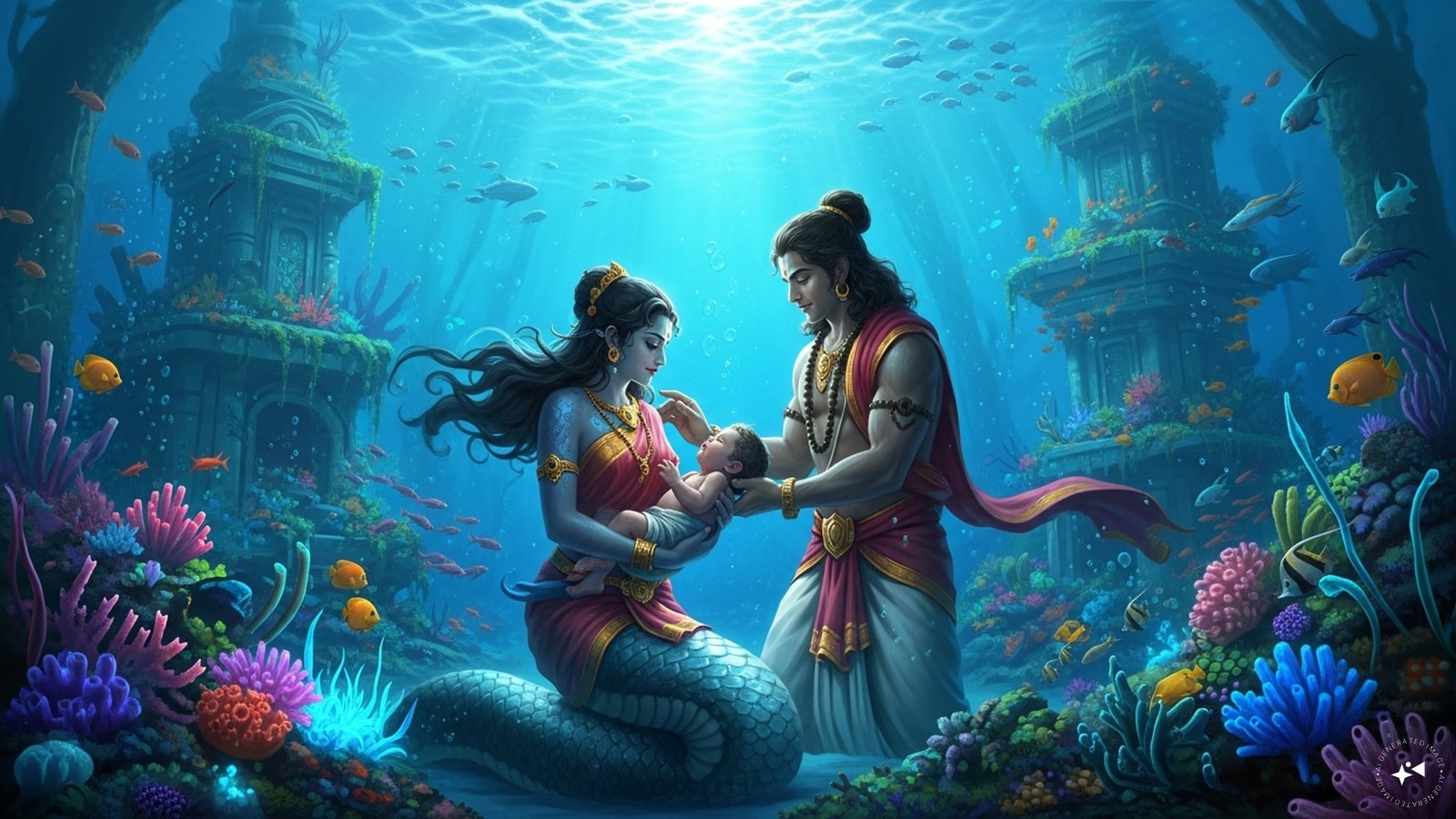
The Birth of Aravan: Aravan, also known as Iravan, was the son of Arjuna and Ulupi, a widowed Naga princess whom Arjuna married during his year‑long exile. After his birth, Arjuna left Ulupi and continued his pilgrimage. Aravan grew up in Nagaloka but later returned to his father during the time of the great war. Brave and loyal, he joined the Pandavas in Kurukshetra. (Image: AI-Generated)
The Sacrifice of Aravan: According to legend, the Pandavas were told that victory in the war required a human sacrifice to Goddess Kali, and the offering had to be a prince. None volunteered, but Aravan stepped forward willingly. However, he placed one condition: before his death, he wished to be married. This created a dilemma, as no king was willing to marry off his daughter for just one day, knowing the groom would die the next morning. (Image: AI-Generated)
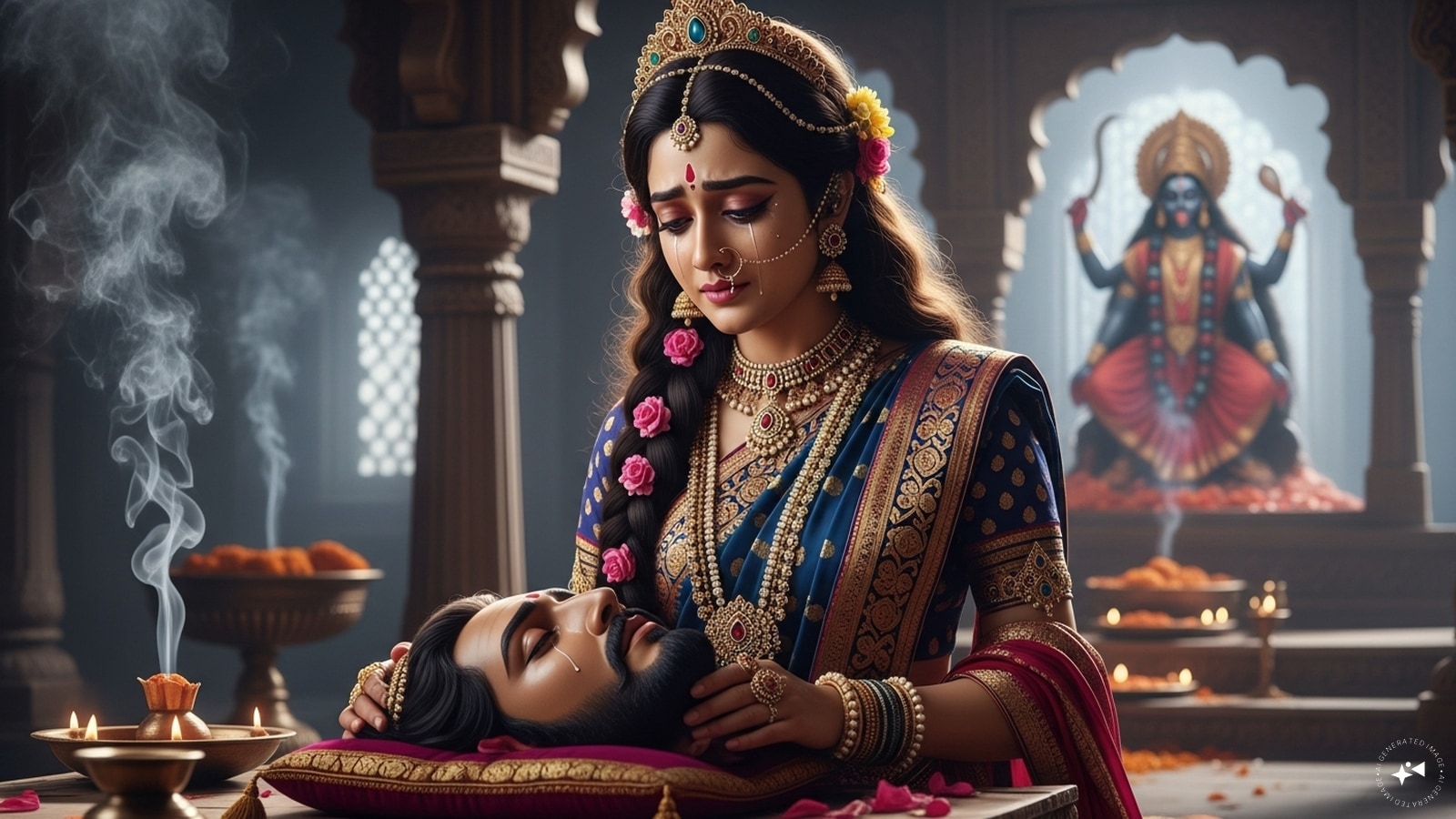
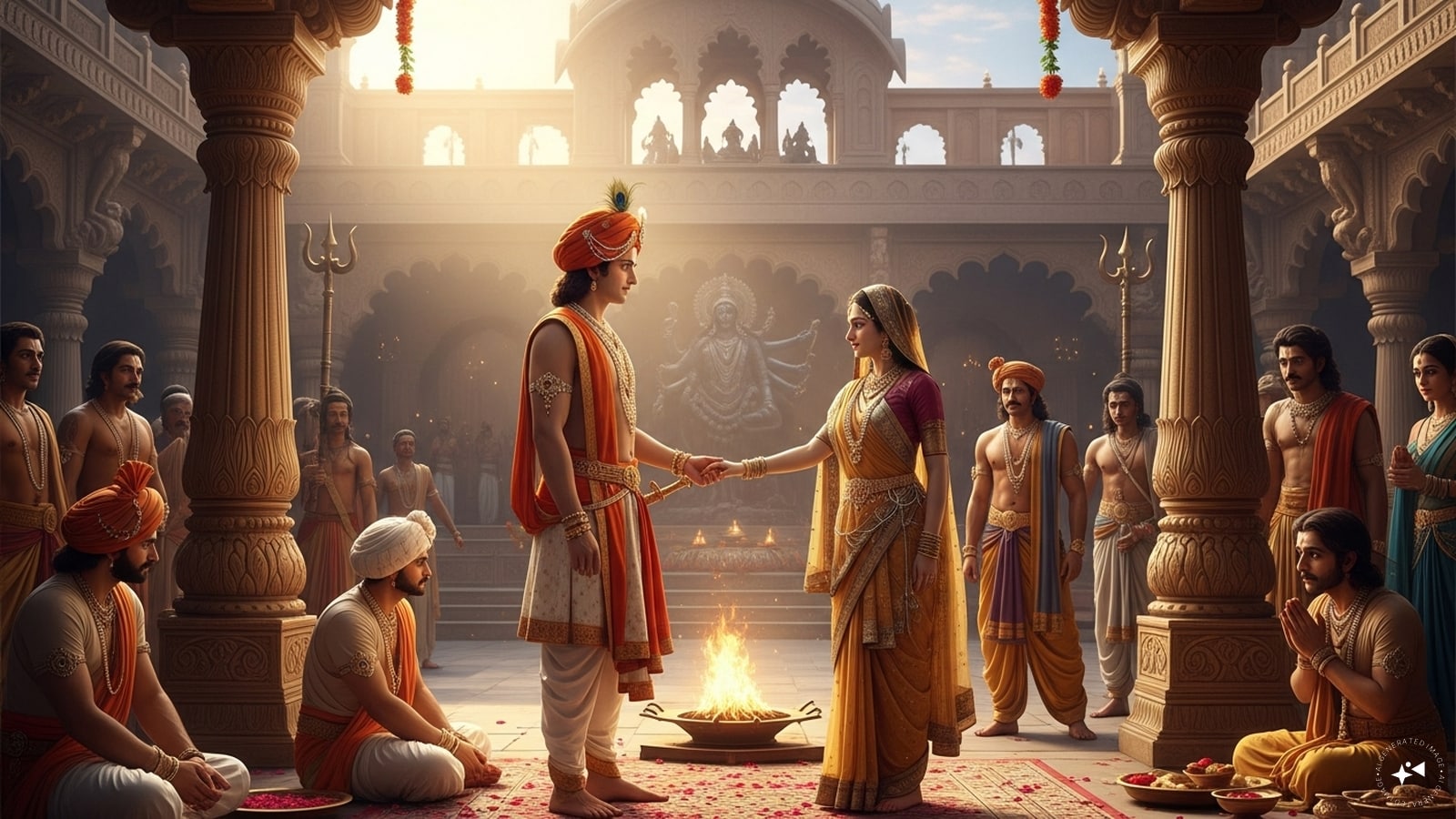
Krishna as Mohini: To fulfill Aravan’s wish, Lord Krishna transformed himself into Mohini, a divine female form, and married Aravan. The next day, Aravan offered his head to Goddess Kali as part of the sacrifice. Following his death, Krishna, still in the form of Mohini, mourned Aravan’s passing with deep sorrow. This act symbolized compassion, sacrifice, and the honoring of Aravan’s final wish. (Image: AI-Generated)
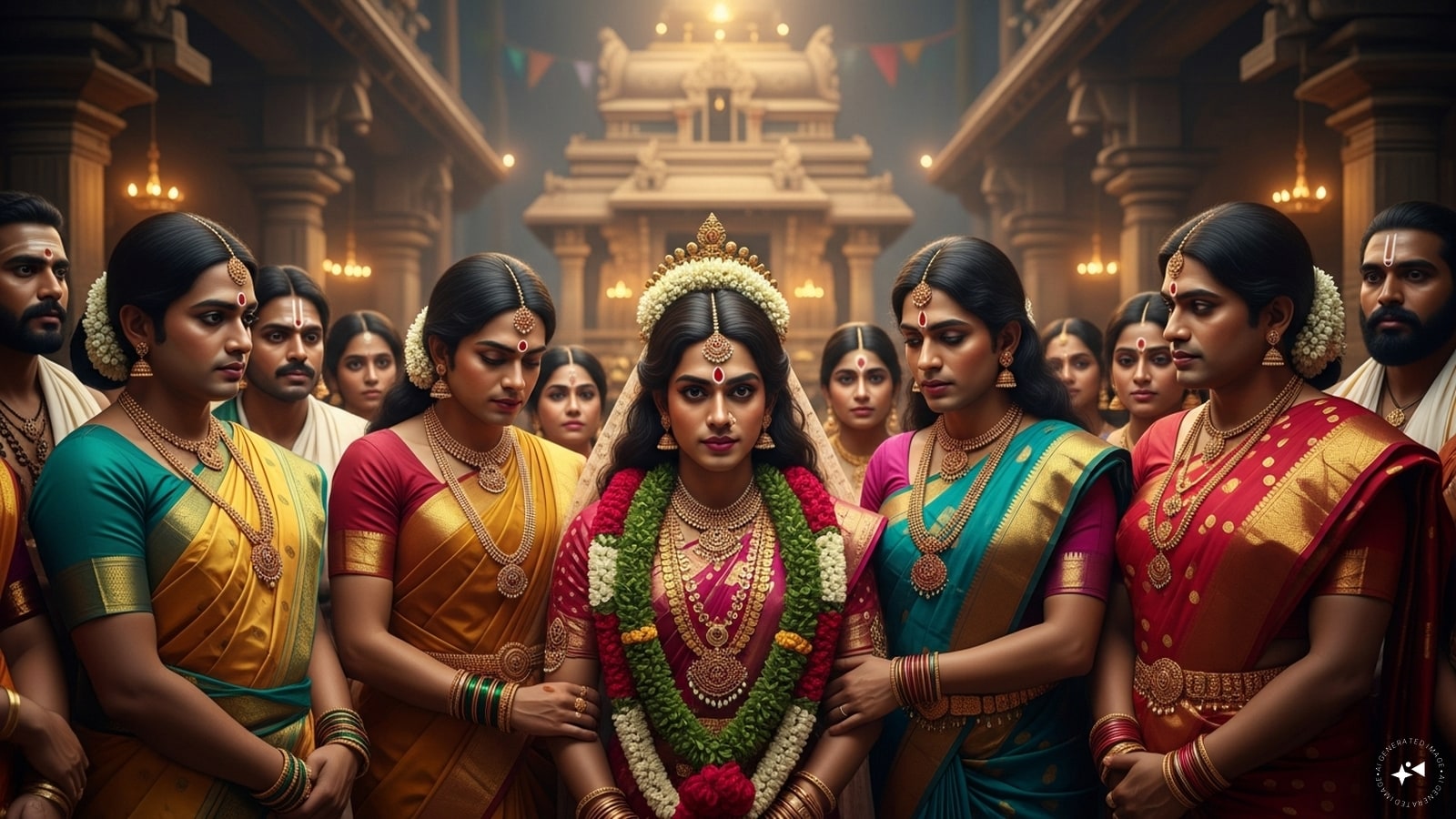
The Tradition of Aravanis: Because Krishna, a man, married Aravan in the form of a woman, eunuchs and transgender devotees – often described as men in female form – identify deeply with this story. In Tamil Nadu, they are known as Aravanis, and every year they reenact this symbolic marriage during the Koovagam festival at the ancient temple dedicated to Aravan. The ritual involves marrying Aravan for one night, followed by mourning his death the next day, echoing Krishna’s grief as Mohini. Devotees pray to Aravan for blessings and rebirth in their next life. (Image: AI-Generated)
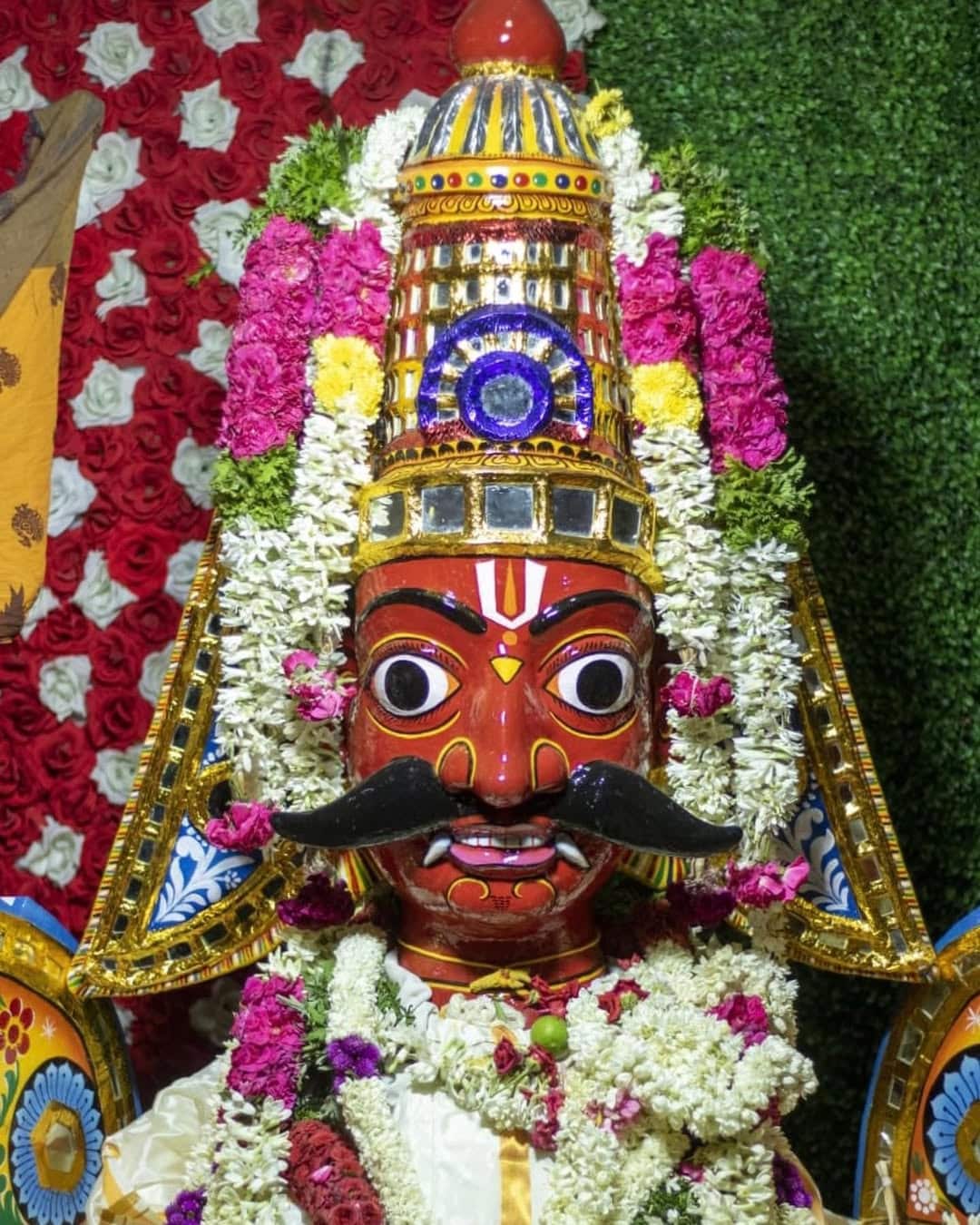
Cultural Significance: This mythological episode highlights themes of inclusion, devotion, and sacrifice. It has given rise to one of the most unique religious traditions in India, where the transgender community finds spiritual identity and recognition through their bond with Aravan. The temple at Koovagam, where Aravan’s head is worshipped, remains a powerful symbol of this devotion. (Image: Instagram)
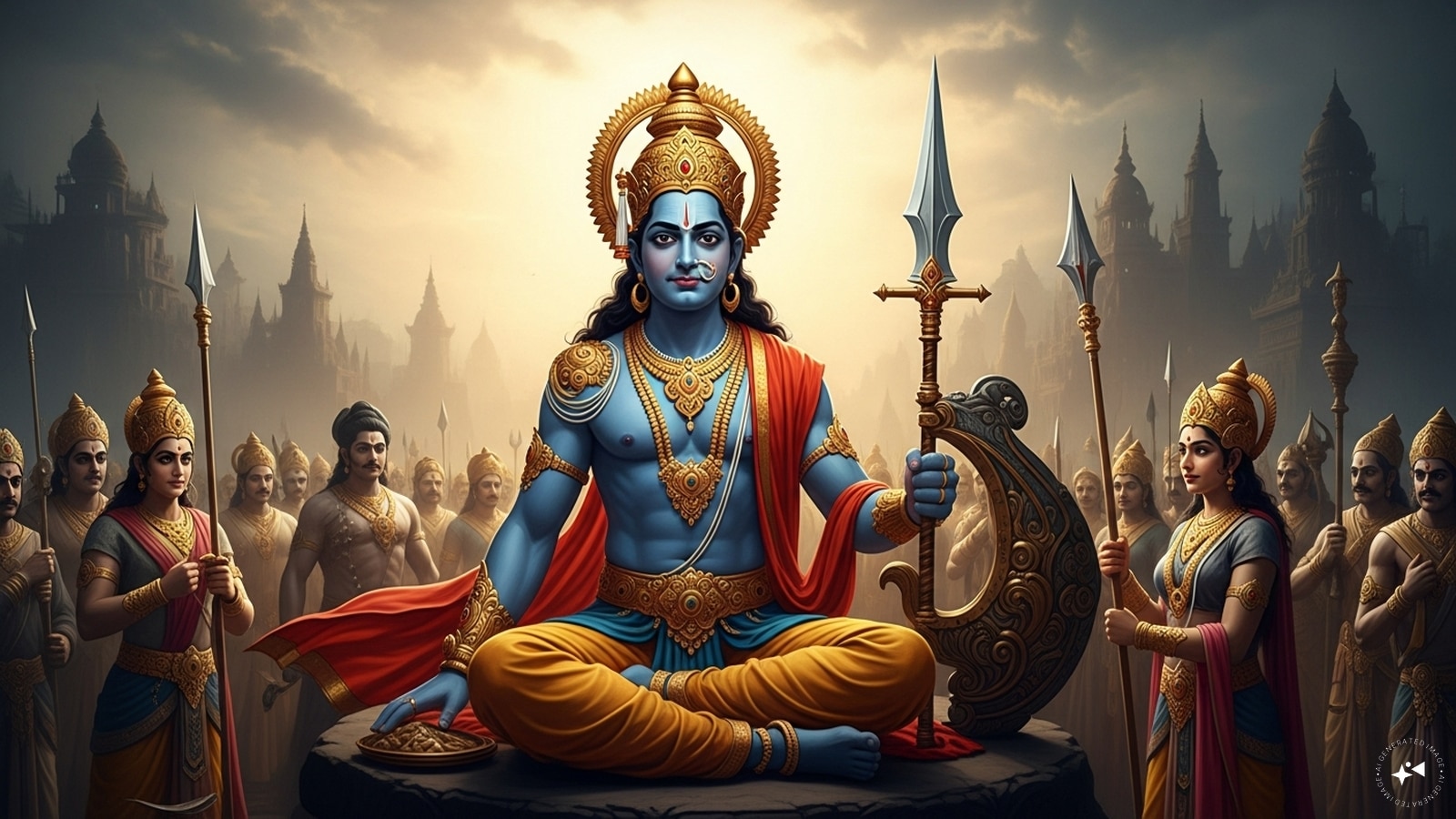
Disclaimer: This recounts a story rooted in Hindu mythology and cultural traditions. The details are based on beliefs and legends from the Mahabharata and regional practices. They should be understood as part of India’s rich mythological heritage rather than historical fact. Readers are advised to consult relevant experts or scriptures for deeper interpretation. (Image: AI-Generated)