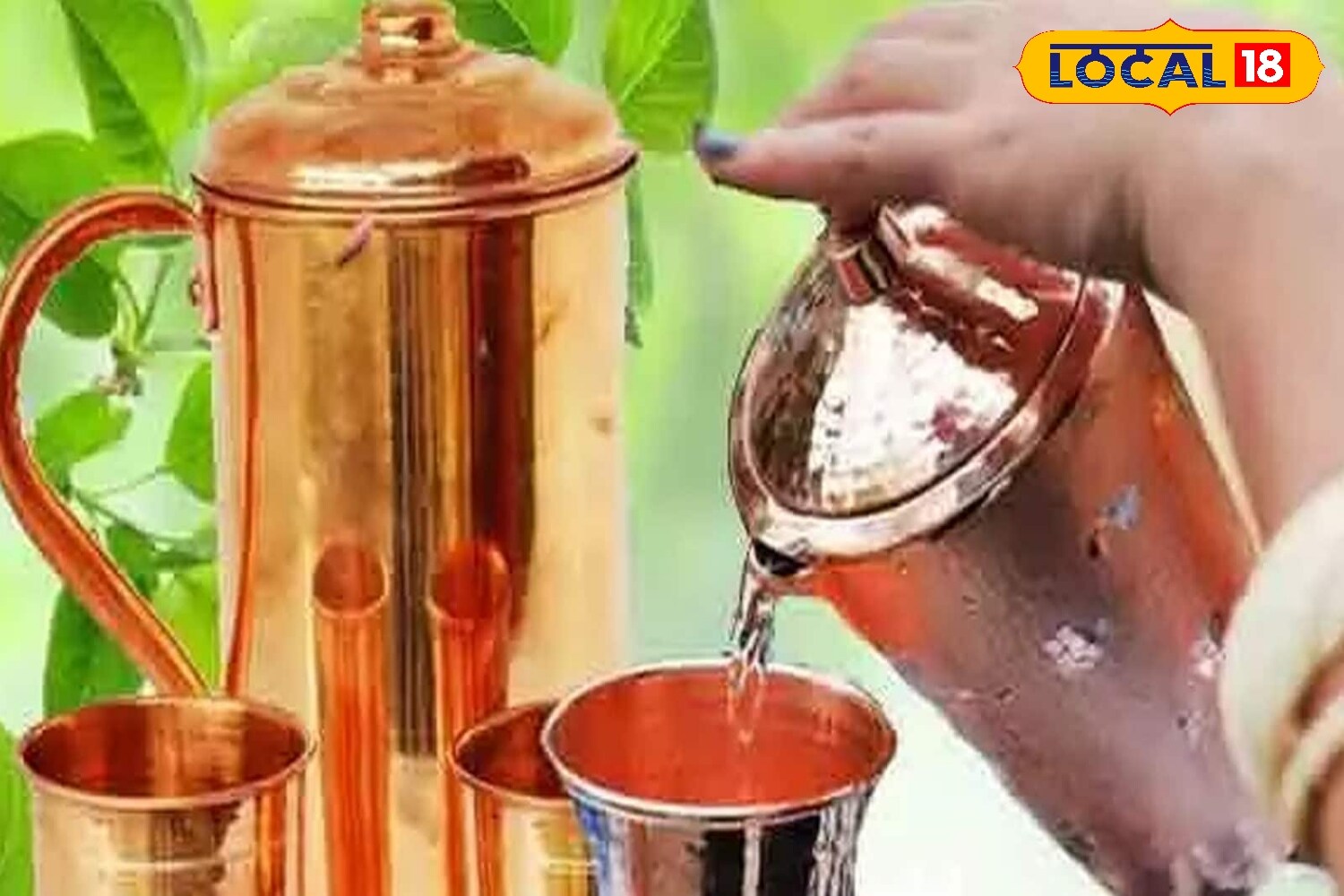
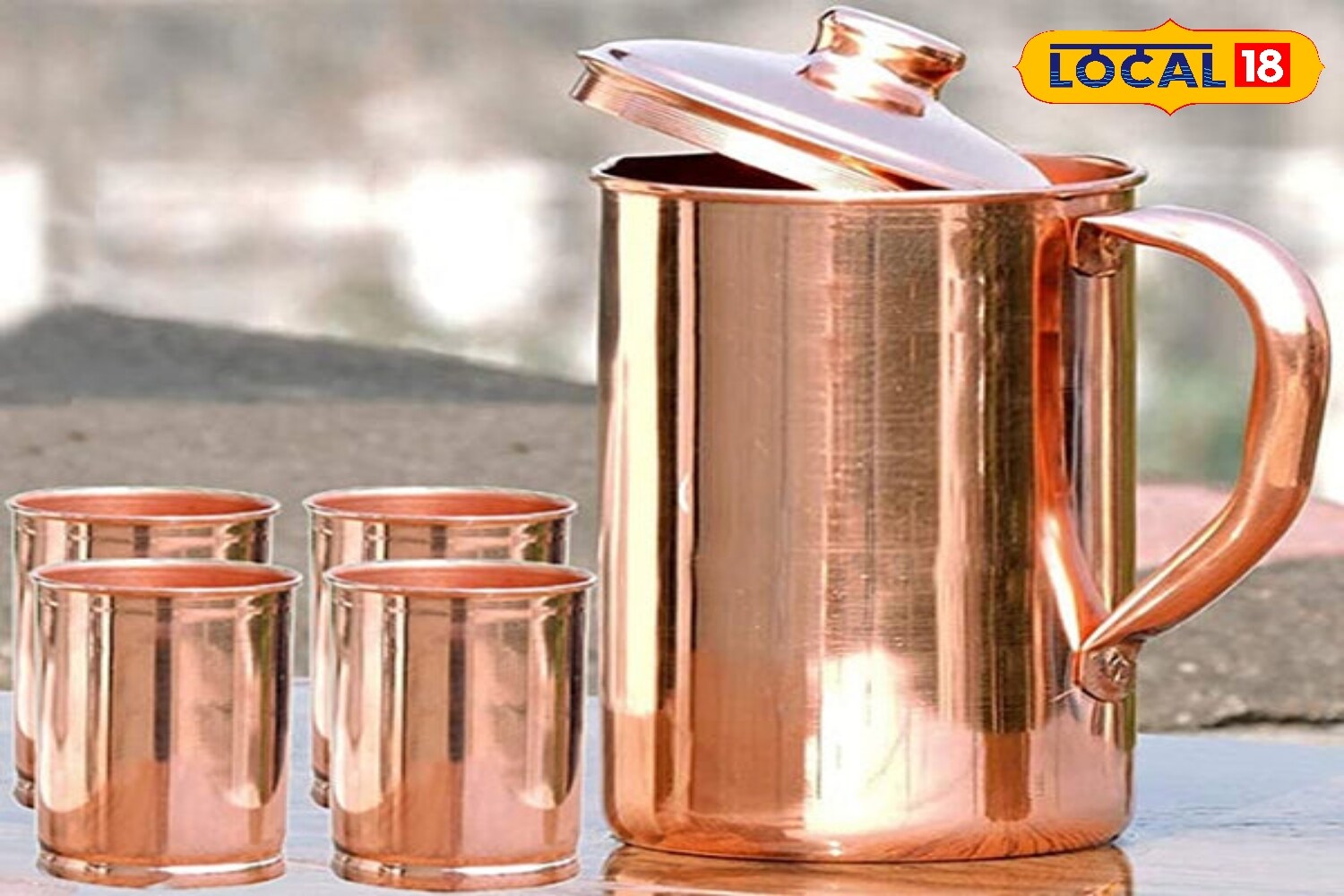
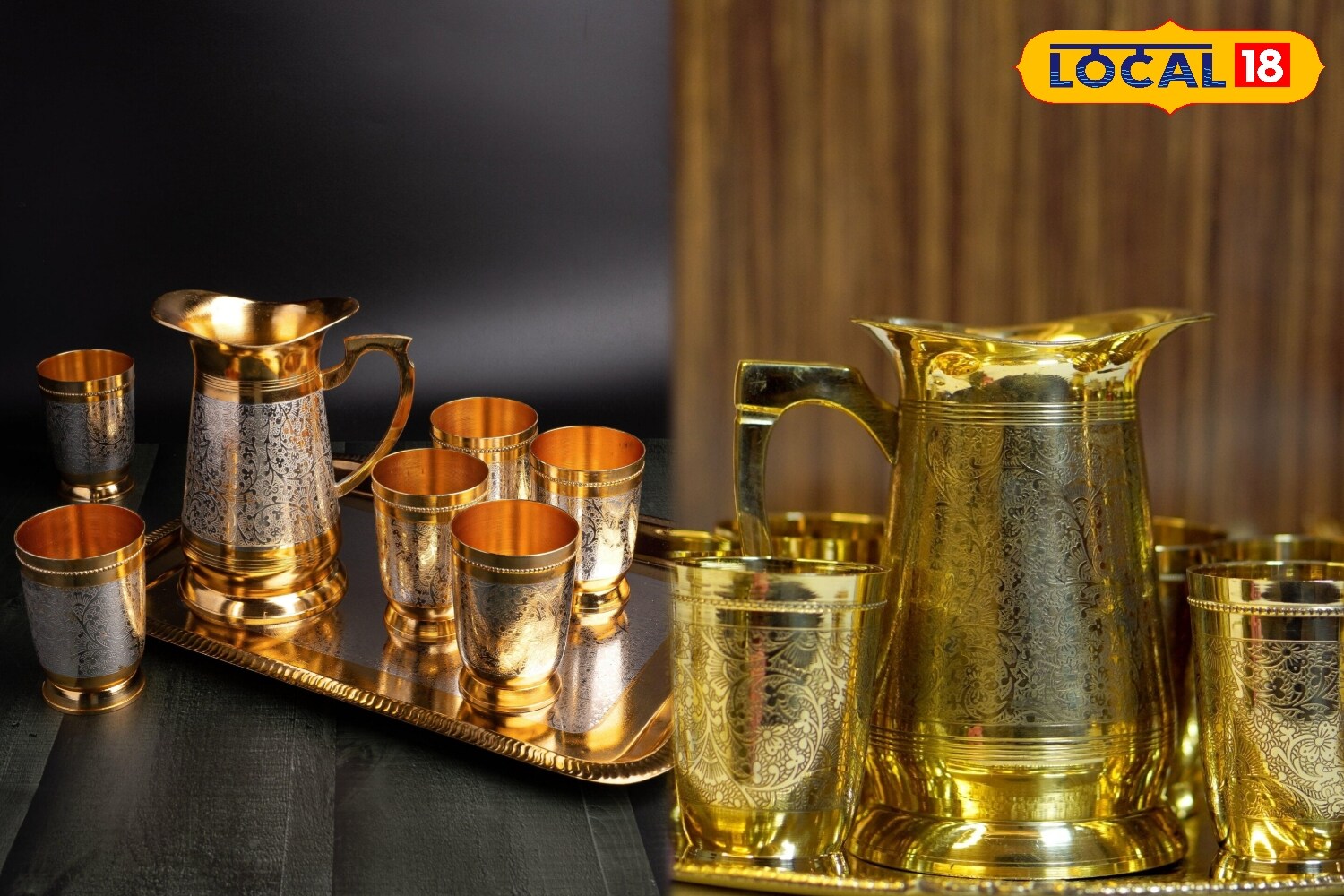
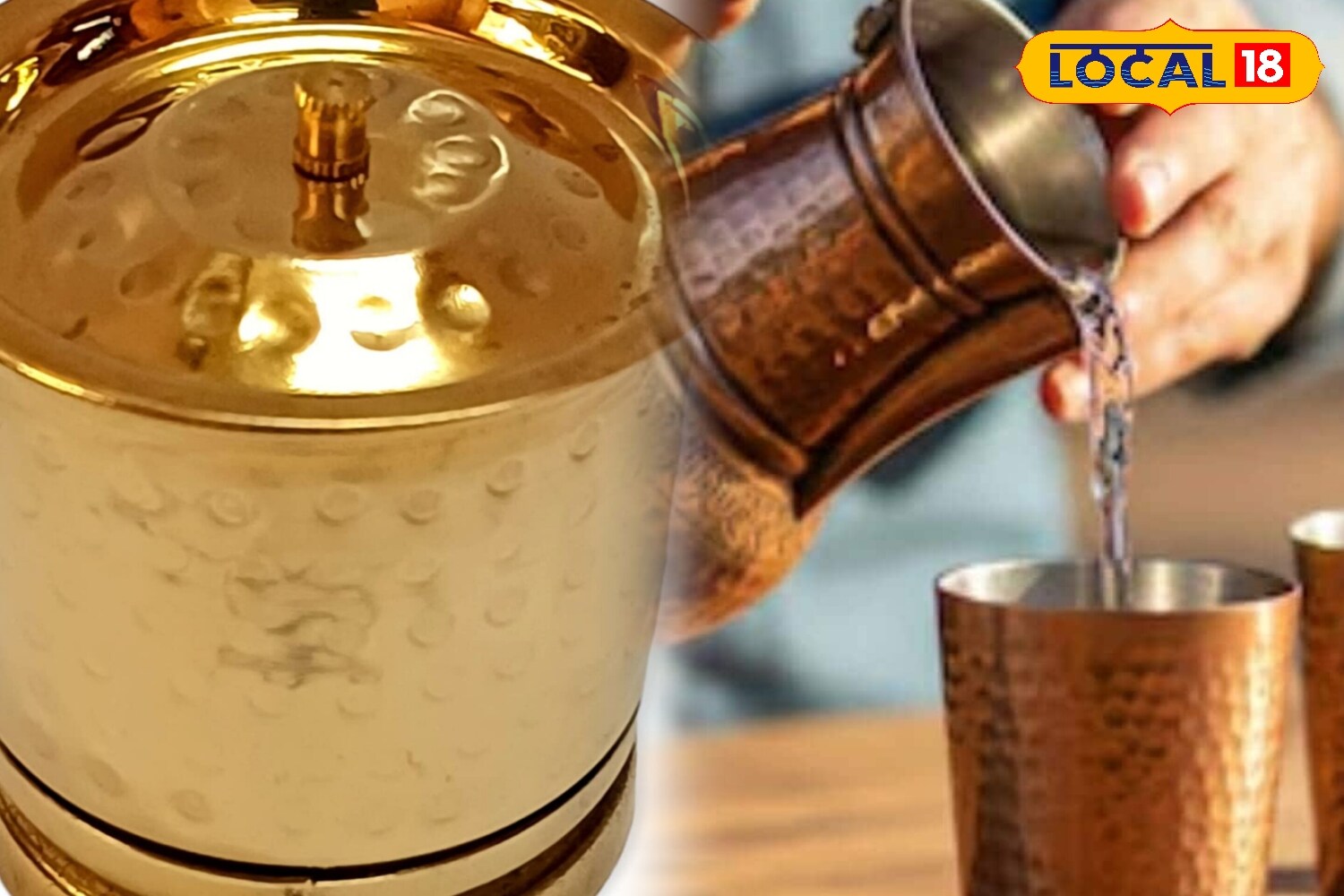
Drinking water from brass or copper vessels in winter may aid digestion, immunity and warmth. Ayurveda explains why many households still follow this seasonal health practice here
Copper is believed to activate the digestive system, while brass helps retain internal body warmth. Water stored in brass vessels is considered beneficial during winter, when issues like gas and constipation are more common. Regular consumption may support smoother digestion and reduce stomach discomfort.Copper is traditionally believed to strengthen the immune system. When water absorbs copper through brass vessels, it is thought to help protect the body against seasonal colds and viral infections. This is one reason many elderly people rely on brass or copper-stored water during winter months.In Ayurveda, copper is seen as a purifying element, while brass represents balance and stability. Copper is believed to help regulate bodily imbalances, while brass supports overall stability. Together, they are considered especially beneficial in winter for maintaining warmth and overall health as temperatures fluctuate.Despite the widespread use of steel and plastic today, many households are returning to brass and copper vessels during winter. This shift reflects a growing preference for natural, chemical-free options rather than mere tradition. As a result, the demand for brass and copper water vessels increases every winter.
Stay Ahead, Read Faster
Scan the QR code to download the News18 app and enjoy a seamless news experience anytime, anywhere.
login
Brass is not a standalone metal but an alloy made from copper and zinc. This is why water stored in brass vessels naturally absorbs copper properties. In winter, this combination is considered especially beneficial as it helps maintain body balance while keeping the water safe and suitable for consumption.