




International Women’s Day 2026: Every year on March 8, people around the world celebrate International Women’s Day to recognise women’s achievements and highlight the ongoing fight for gender equality. If you notice posters, logos or decorations around Women’s Day, you’ll often see purple and white — sometimes accompanied by green. But what do these colours mean?
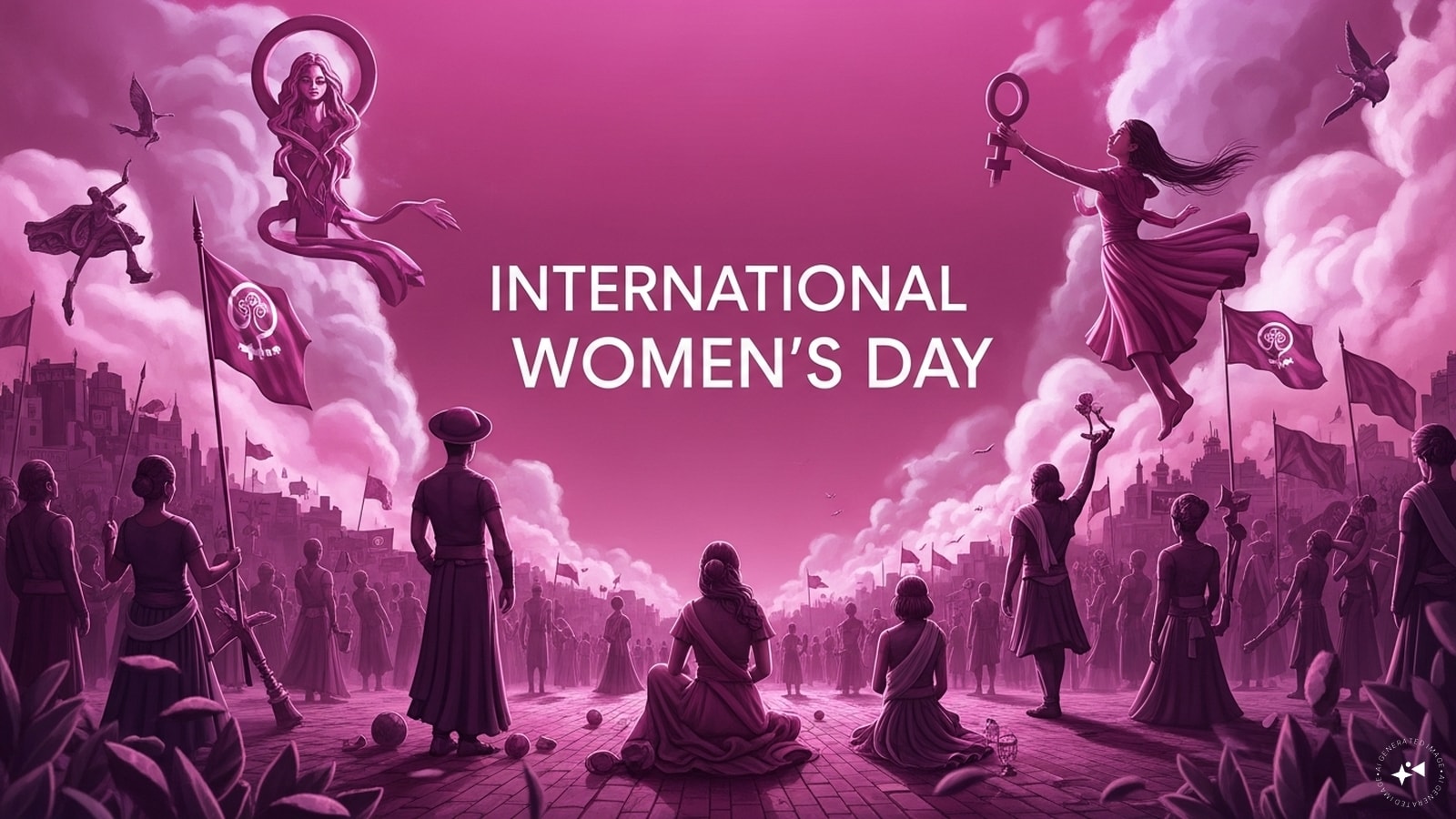
Among the three colours, purple is the most prominent symbol of Women’s Day. It represents justice, dignity and loyalty to the cause of gender equality. (Image: Pexels)
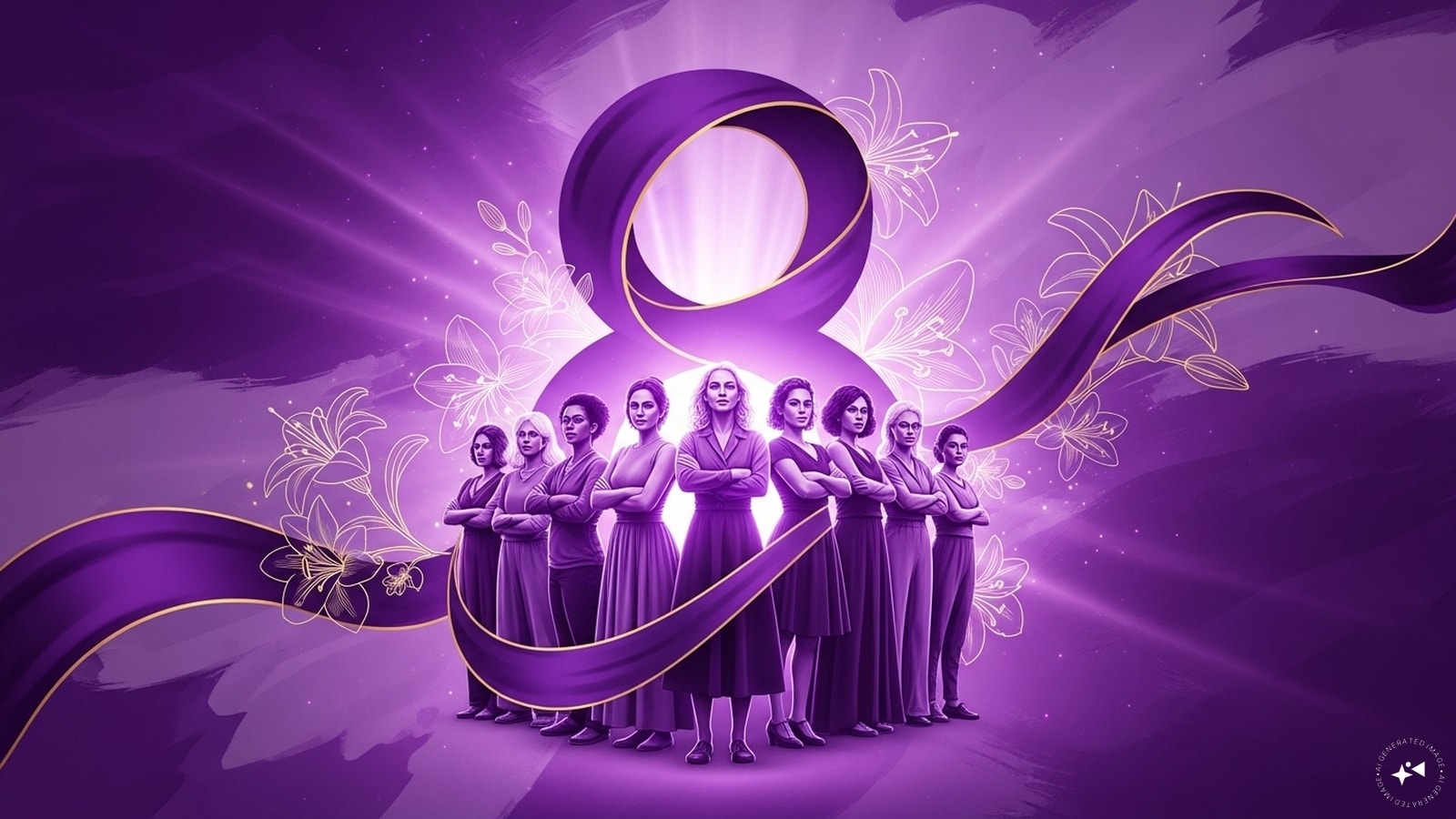
Purple has historically been associated with power, nobility and ambition. Within the context of the women’s rights movement, it symbolises the determination of women to achieve equal rights and recognition in society. Today, purple is often used in Women’s Day campaigns, social media posts, lighting of monuments and corporate initiatives supporting gender equality.
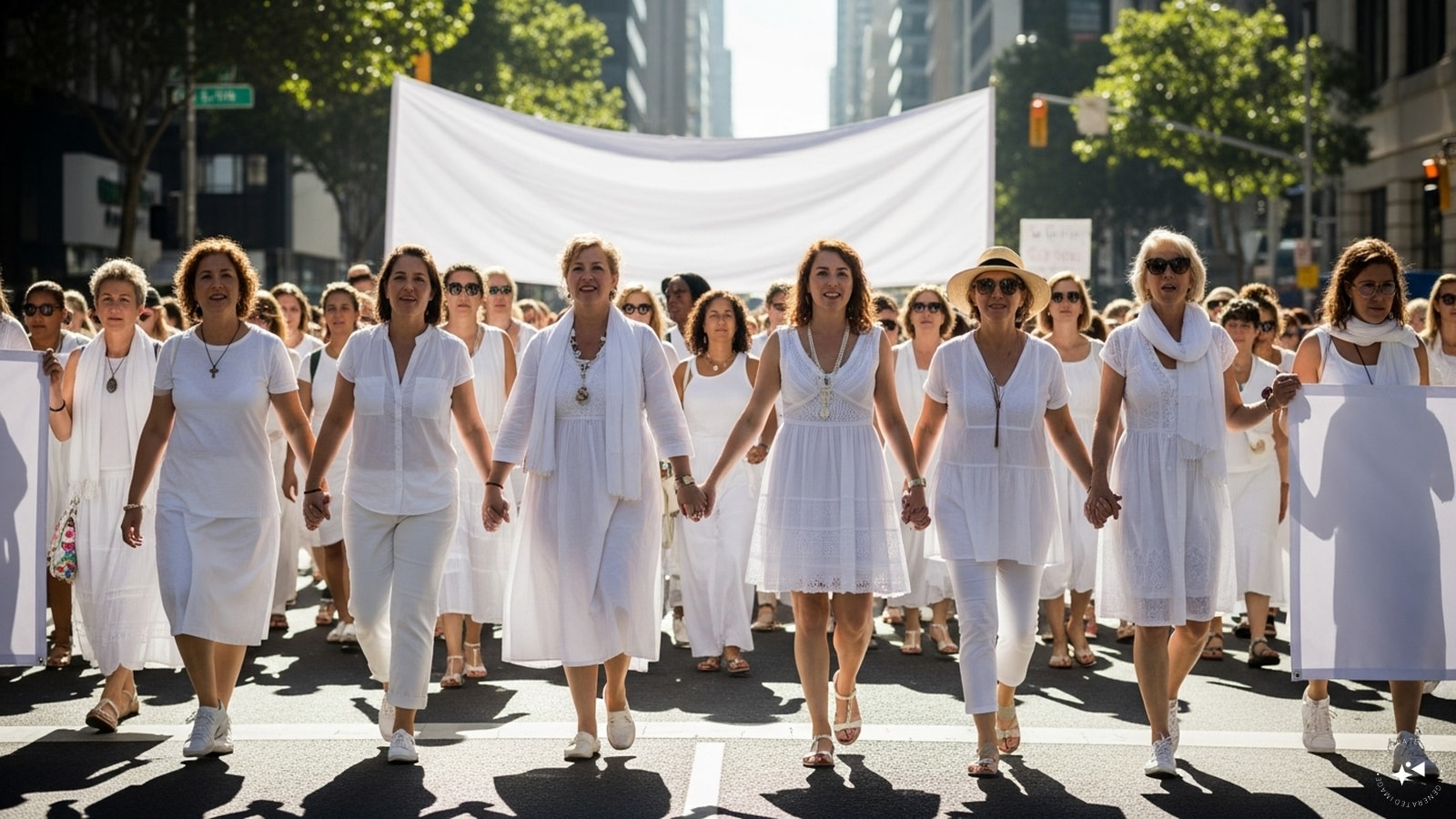
White symbolises purity and solidarity within the movement. It was meant to reflect unity among women fighting for their rights. However, historians also note that the interpretation of white has evolved over time.
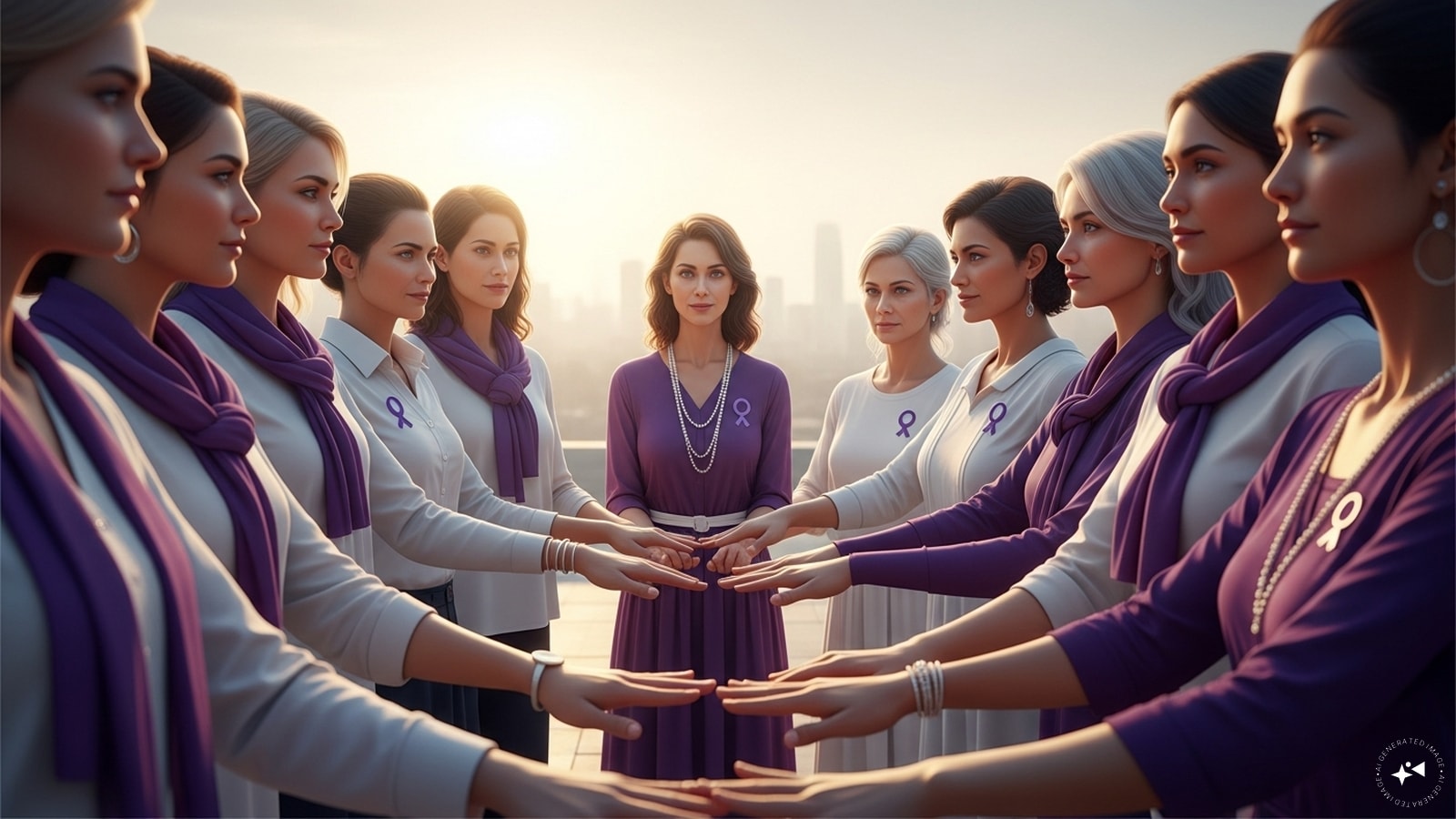
In modern Women’s Day campaigns, the colour is often used to represent transparency, peace and the collective effort for gender equality rather than its earlier associations. White is frequently paired with purple in campaign visuals and awareness materials to emphasise a shared commitment to equality.
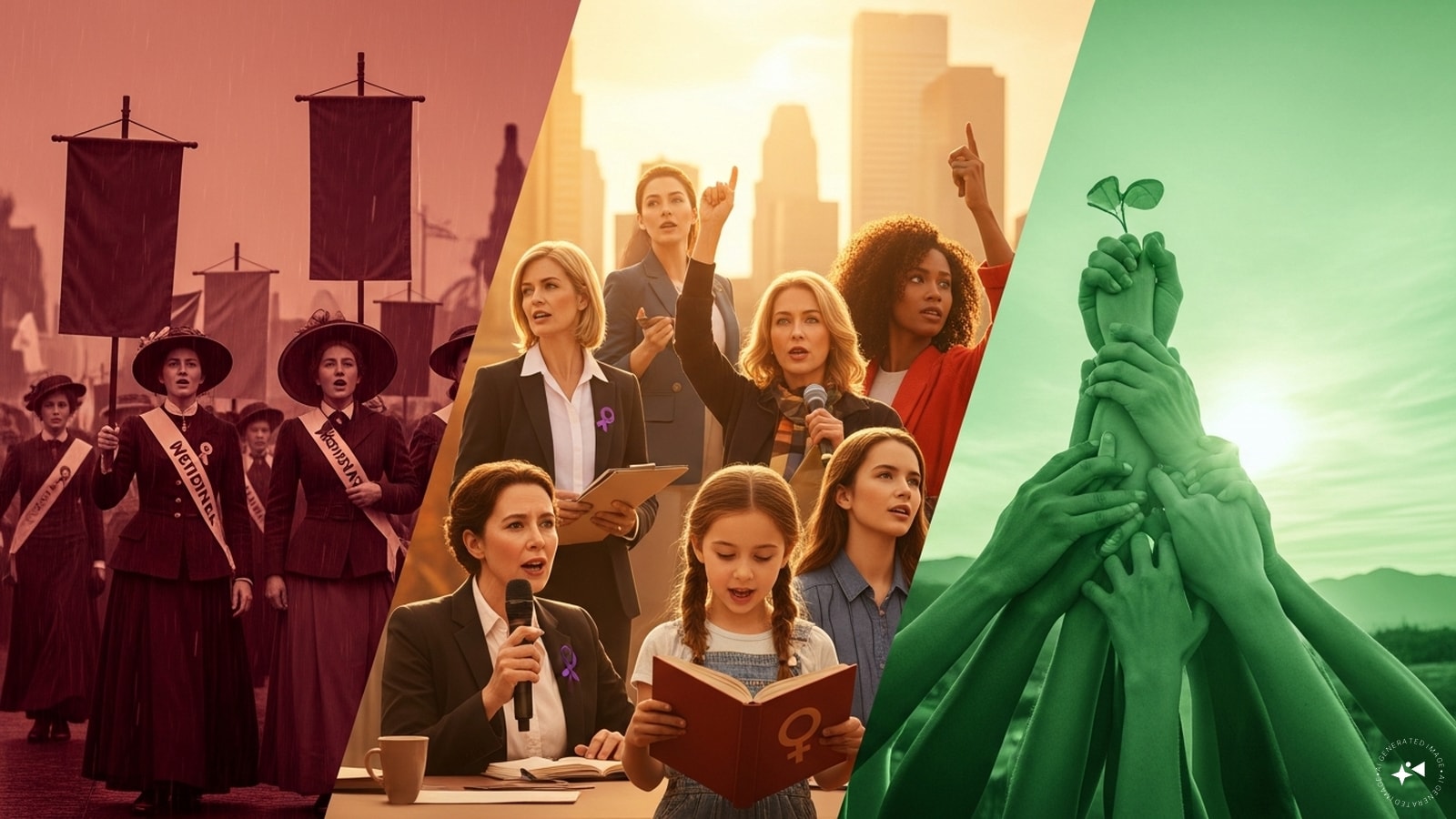
Although purple and white are the most commonly recognised colours today, green is also historically linked to the movement. Green represents hope and the promise of a better future for women. Together, the three colours symbolise the past, present and future of the women’s rights movement — justice, unity and hope.
The colours remain a powerful visual reminder of the long struggle for gender equality. Organisations such as the United Nations and advocacy groups around the world often use purple in their campaigns marking International Women’s Day.