




In one of my first jobs in journalism, a senior editor made me serve legal papers to a rival publication. When I queried to a colleague whether this fell into the realms of my responsibilities, the reply was eye-widening: “At least he didn’t ask you to take a birthday present to his mistress like the last reporter.” Months later, the same man threw a stack of newspapers at my co-worker’s head after she dared to ask a question.
Most people have a tale of a horrible boss – some worse than others. If they’re a true monster, the answer is (usually) simple: leave. But most megalomaniacs have more nuance than that; glimmers of brilliance, inspiring creativity, industry clout, or innovative ideas that can collectively make working under them – as Emily explains to Andy of her role as Miranda Priestly’s receptionist in The Devil Wears Prada – a job that “a million girls would kill for”, despite the trials and torment.
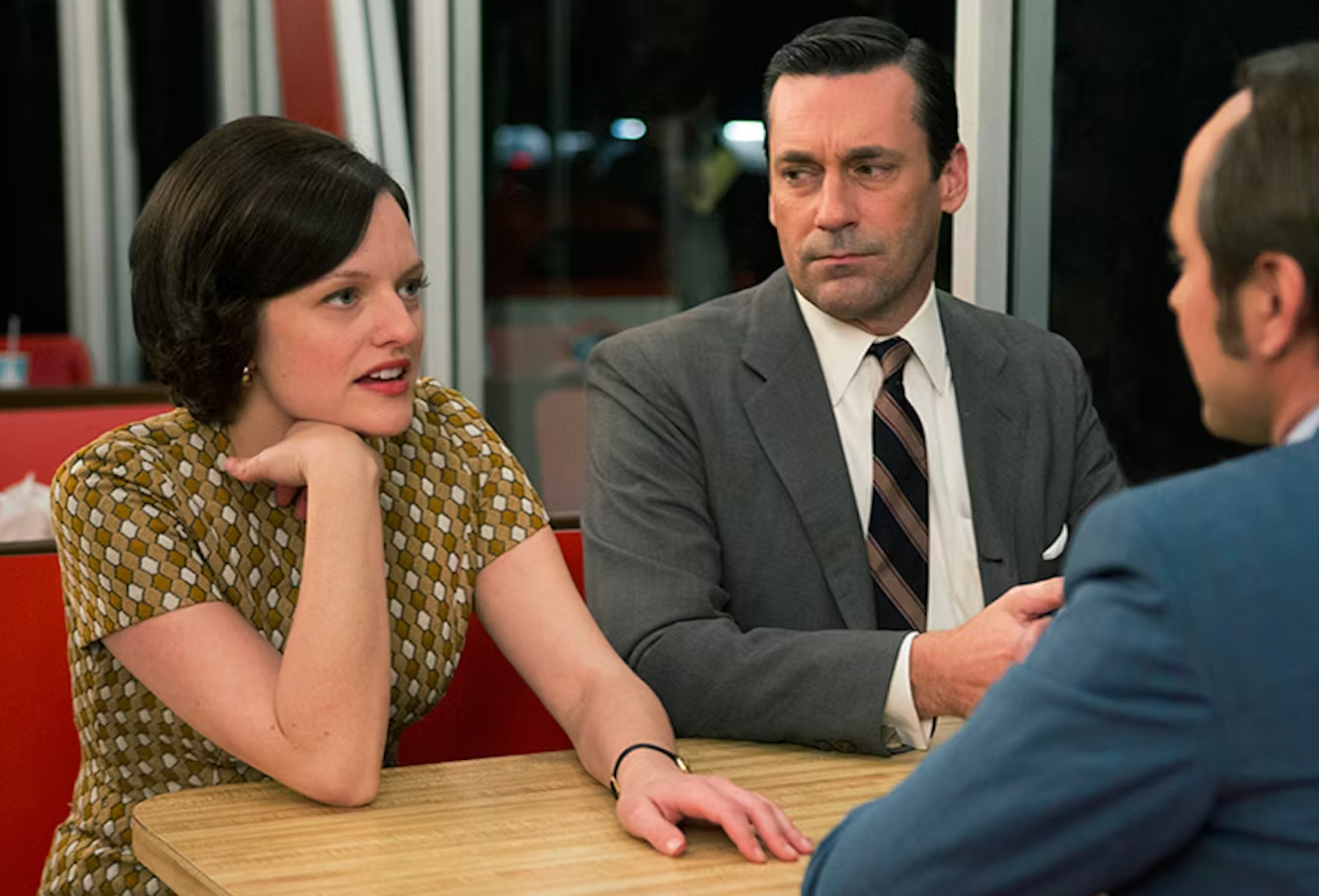
Fiction is packed with these toxic but talented leaders: Jon Hamm’s Don Draper is dubbed an advertising genius throughout seven seasons of Mad Men. But his brilliance allows him to miss meetings, drink on the job and provide minimal career progression for his junior staff with no repercussions until the season six finale. Even then, he bounces back.
This week, cutthroat comedian Deborah Vance returns to our screens to terrorise and inspire her head writer, Ava Daniels, in the fifth and final season of Hacks. Deborah is narcissistic, abusive and manipulative to her team. She’s also, as a comedy legend, supremely funny, admirably driven and maddeningly charismatic. As such, Ava sticks around.
Studies have shown that this Hollywood trope translates to real life, too. Research has found that employees are less likely to label a supervisor as abusive – and may reinterpret harmful behaviour as “tough love” – when the leader is a high-performer. This reframes toxic traits as acceptable and allows the stars that blind us to go unchecked for longer.
”They’ll walk on people to make sure they get to stay where they are and control all the conversations,” says career coach Maureen Adams of this style of supervisor. “They tend to be quite disruptive and a little bit sneaky. The impact day to day is that the person who’s under them thinks they’re going to show them the ropes and they’ll be able to learn fast,” she adds. “But the reality is that they’ll often get closed out of the decision-making meetings and only be allowed to do minor tasks.”
If you do one day manage to fight tooth and nail for a more senior position, the struggles don’t stop there. “Once they’re established, they’ll find that they’ll be demotivated quickly because when they do something well, it won’t get noticed or it’ll be taken away for a different project”, says Adams. “So, it’s hard to feel valued, appreciated or understood.”
If you’re wondering at this point whether this might be your boss, Adams says there are a few telltale signs: “Often you can’t predict what’s coming next in your job because you’ll be doing one task and then a toxic manager will suddenly throw something quickly at you,” she says. “Typical phrases are ‘don’t come to me with problems, come to me with solutions’ or ‘I don’t care how you do it, just do it.’ When it goes wrong, they’ll be accused of behaving like a bull in a china shop. So, it’s gaslighting.”

This leaves you unable to finish anything, unable to ever truly log off and unable to ever get visibility in the boardroom. Essentially, you’re a backing singer, smiling and clicking, behind the lead artist. “They’re always just the supporting act for the toxic boss,” says Adams. “That’s how I would describe them … These toxic relationships can last for years.”
Adams says this phenomenon is similar to the so-called “golden handcuffs” of a high-paying position. “If they’re in a prestigious company or in a role that, to the outside world, looks wonderful to everyone else, then leaving can feel like giving up,” she says. “But sometimes it’s important to recognise that you’ve done the best you can in that position.”
It can be hard to know when to call it quits, particularly if your boss is a superstar. One minute, Deborah is hurling abuse at Ava, the next, they’ve landed a string of high-profile gigs in Las Vegas. Much like a toxic romance, the breadcrumbs of praise can keep you going back for more.
“Extreme highs and lows are not especially healthy,” says career change and job search coach Hannah Salton. “There can be natural ups and downs, but if the lows are impacting your productivity, wellbeing or mental health, for me, that’s when alarm bells should start ringing, and you need to start thinking about what other options might be out there.”
When you do build up the resolve to finally start considering an exit strategy, Adams says it’s important not to make it obvious in any way. “For the majority of people, it’s better to find another job first,” she says. “But you need to avoid emotional leakage. Lots of people decide they’ll look for another job and immediately give up at work. Colleagues pick up quickly that you’ve lost enthusiasm, and word gets around. So, best to keep quiet.”
One way to do this is to set yourself private goals to achieve before you walk out the door. “I tell people to put a timeline on things,” says Adams. “You decide that by a certain date you’ll have achieved particular goals for your CV, so that you know you’ve got something out of the role, and can end the arrangement on a good basis.”
But, even if you leave, without theatrics, knowing you’ve done well, realising your dream job is not so great after all can be a harrowing process, admit both experts. “It’s quite hard to come to terms with,” says Salton. “There is a kind of grief involved in realising that it wasn’t right.”

Adams says this grief can be healed by focusing on the interesting projects you worked on to offset the resentment. And you need to do it fast, otherwise interviewers will be able to tell from your body language that you’re harbouring disgruntlement. “They’ve got to reframe it in their own mind first: that didn’t work out, but you know what, the next one will,” Adams says. “Leave the grief behind and heal a bit along the way.”
At one point in both the corporate and creative worlds, there was a bit of a cycle of abuse. While employees would leave a toxic boss behind physically, they would carry them with them mentally, inflicting the same bizarre treatment onto their underlings because “it’s what I went through when I started out”. Thankfully, Adams says this hazing is now old hat.
“I don’t often find that people learn it and take it with them any more,” she says. “I think they did in the Seventies, Eighties and Nineties when there was leadership based on power and control. But it’s much less visible now. It’s much more about collaboration and emotional intelligence.”

Ultimately, it doesn’t matter how talented or respected someone is; you don’t want to work under them if they can’t be a kind, considerate human being. That is, fundamentally, the bare minimum in the workplace.
“Being a manager is a massive responsibility and a lot of people don’t get formal training, but I don’t think that’s an excuse,” says Salton. “No matter how intelligent, successful, or brilliantly talented someone is, being an effective manager – and a reasonable person – is just as important.”