




Pesticide residue on vegetable may affect your health. It is important to wash the vegetables properly through certain methods that will help to reduce these chemicals, making your meals safer and healthier without compromising nutrition or taste.
Soaking In Salt Water: Mix 1–2 teaspoons of salt in a large bowl of water and soak vegetables for 10–15 minutes. Salt water helps break down pesticide residues on the surface, making them easier to rinse off while preserving freshness.
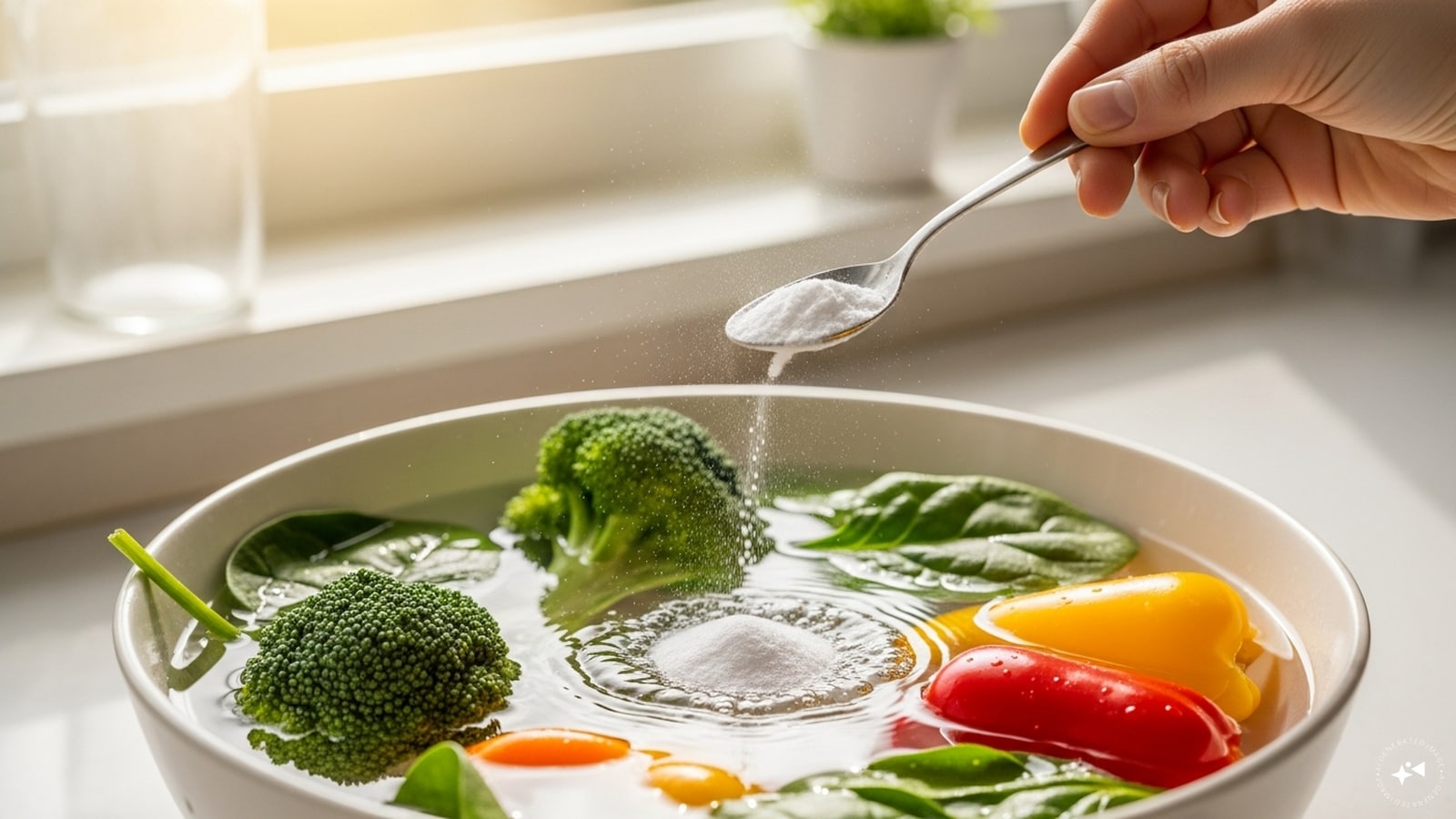
Using Baking Soda: Dissolve a teaspoon of baking soda in a bowl of water and soak vegetables for 10–15 minutes. Baking soda acts as a mild alkaline solution, effectively neutralizing many pesticide residues without harming the texture or flavour of the produce.
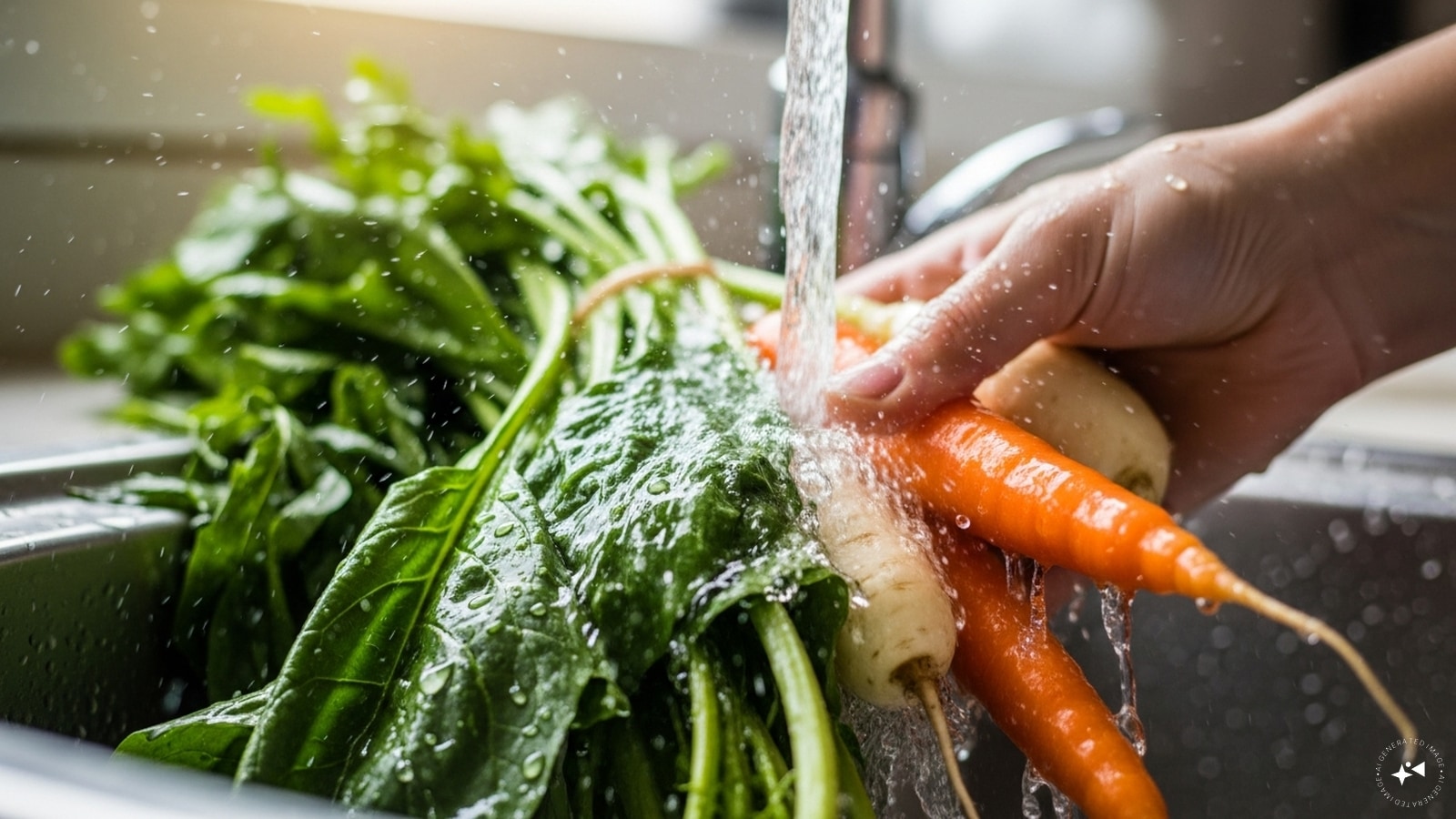
Rinsing With Running Water: Rinse vegetables thoroughly under running water for at least 20–30 seconds. The mechanical action of running water removes dirt, dust, and some surface pesticides, and is often the simplest and most accessible way to clean produce at home.
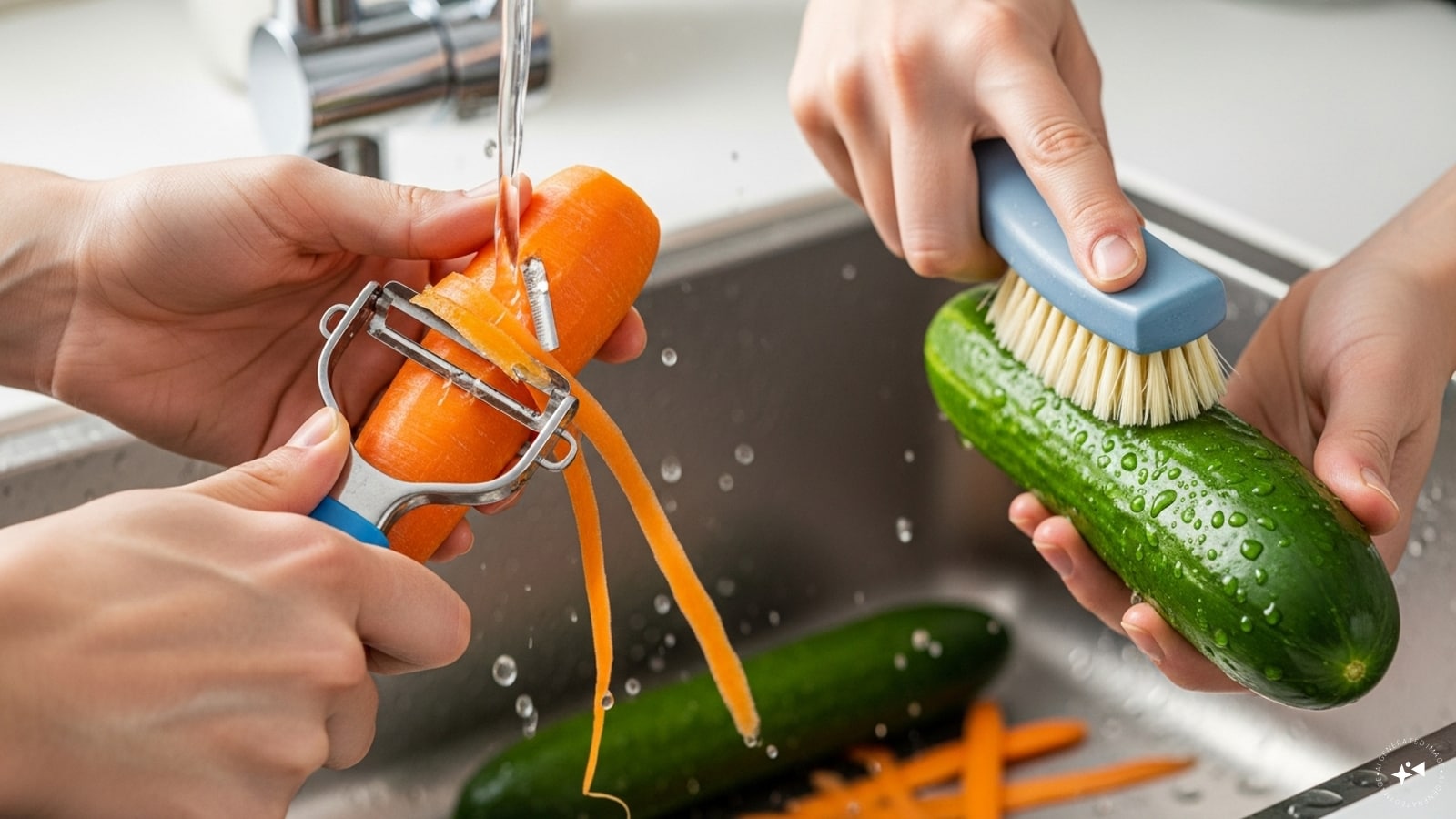
Peeling Or Scrubbing: Peel thick-skinned vegetables like carrots or cucumbers, or scrub them gently with a brush. This removes the outer layer where pesticides tend to accumulate, providing an extra layer of safety without significantly affecting nutrients.
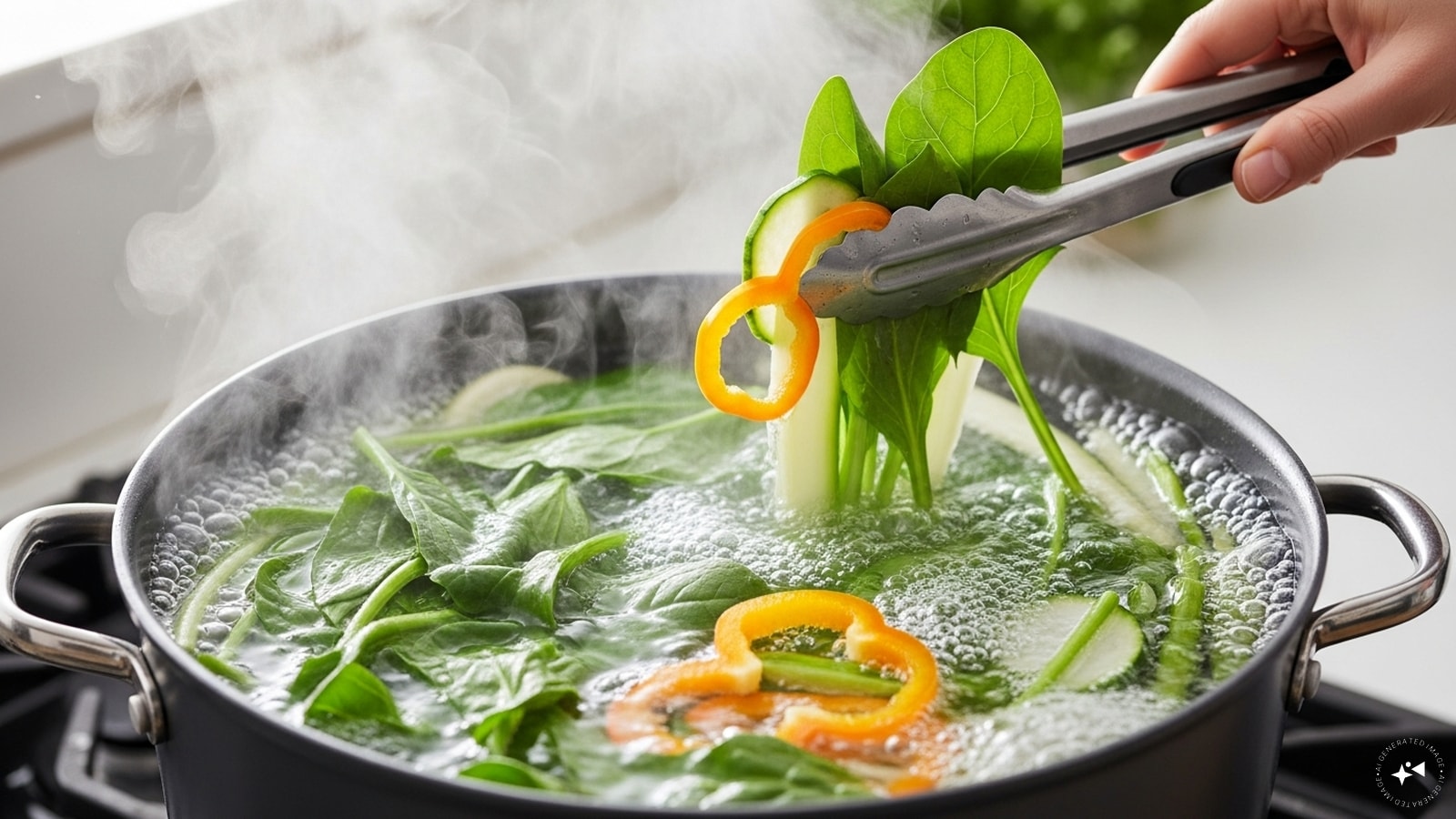
Blanching Or Boiling: Quickly blanch or boil vegetables in water for 2–5 minutes. Heat can break down certain pesticide residues, while also making vegetables softer for cooking. This is particularly effective for leafy greens and other vegetables with thin leaves.
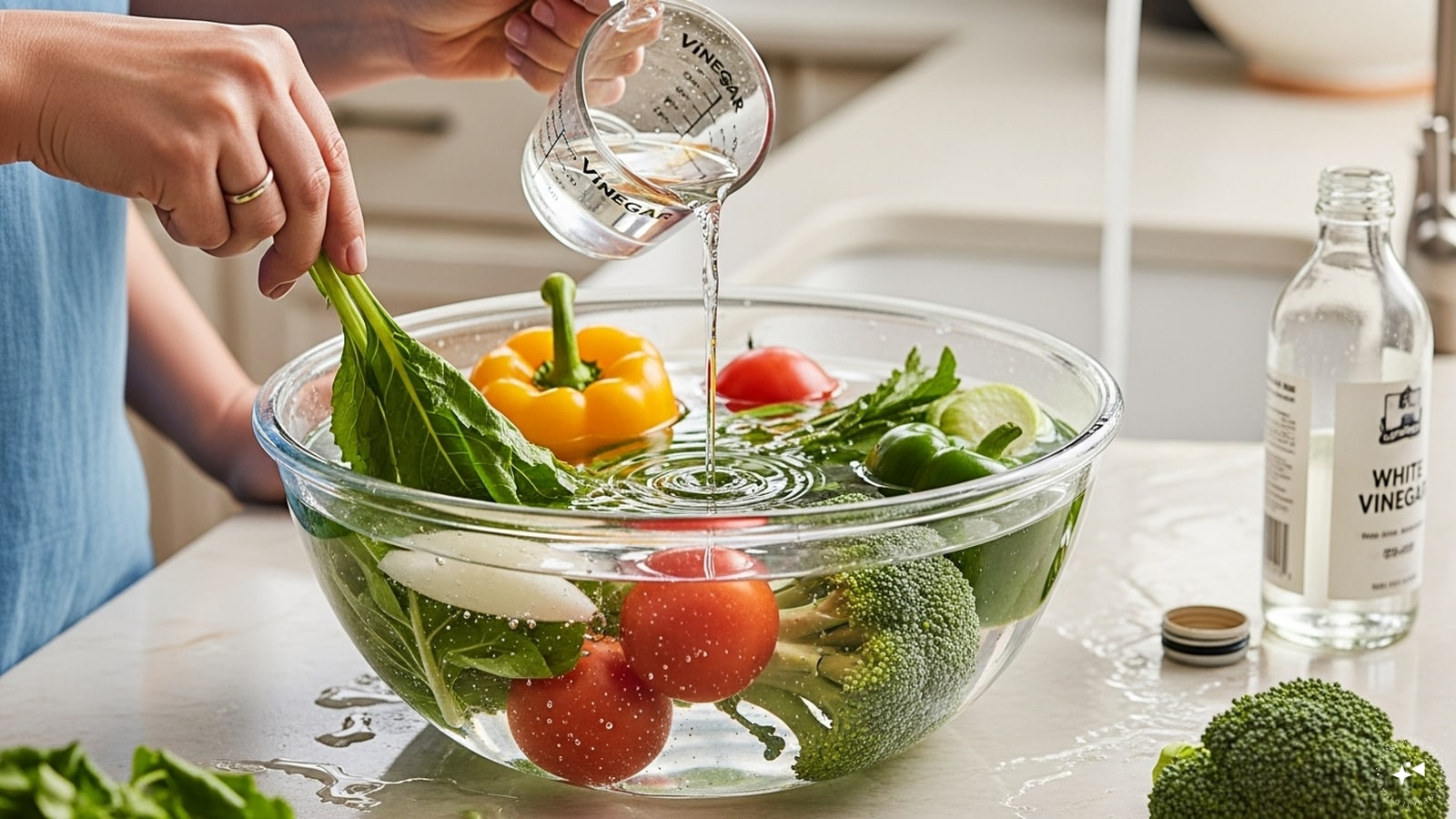
Vinegar Soak: Mix 1 part white vinegar with 3 parts water and soak vegetables for 10–15 minutes. Vinegar’s acidic properties help break down pesticide residues and bacteria on the surface. Rinse thoroughly afterward to remove any lingering taste.
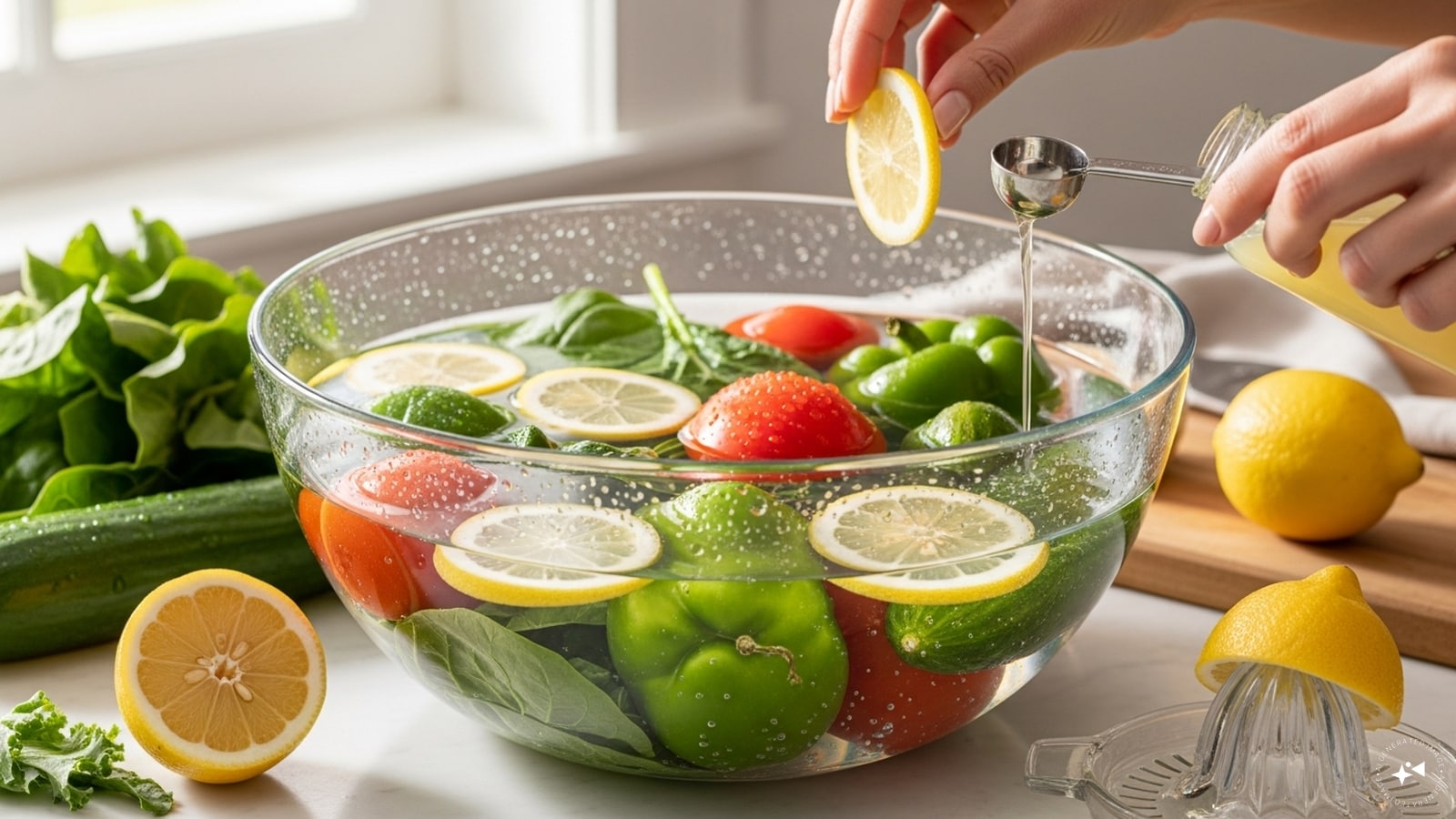
Lemon Water Wash: Add slices of lemon or 2–3 tablespoons of lemon juice to a bowl of water and soak vegetables for 5–10 minutes. Lemon’s natural acidity helps reduce pesticide residues while leaving vegetables fresh and fragrant.
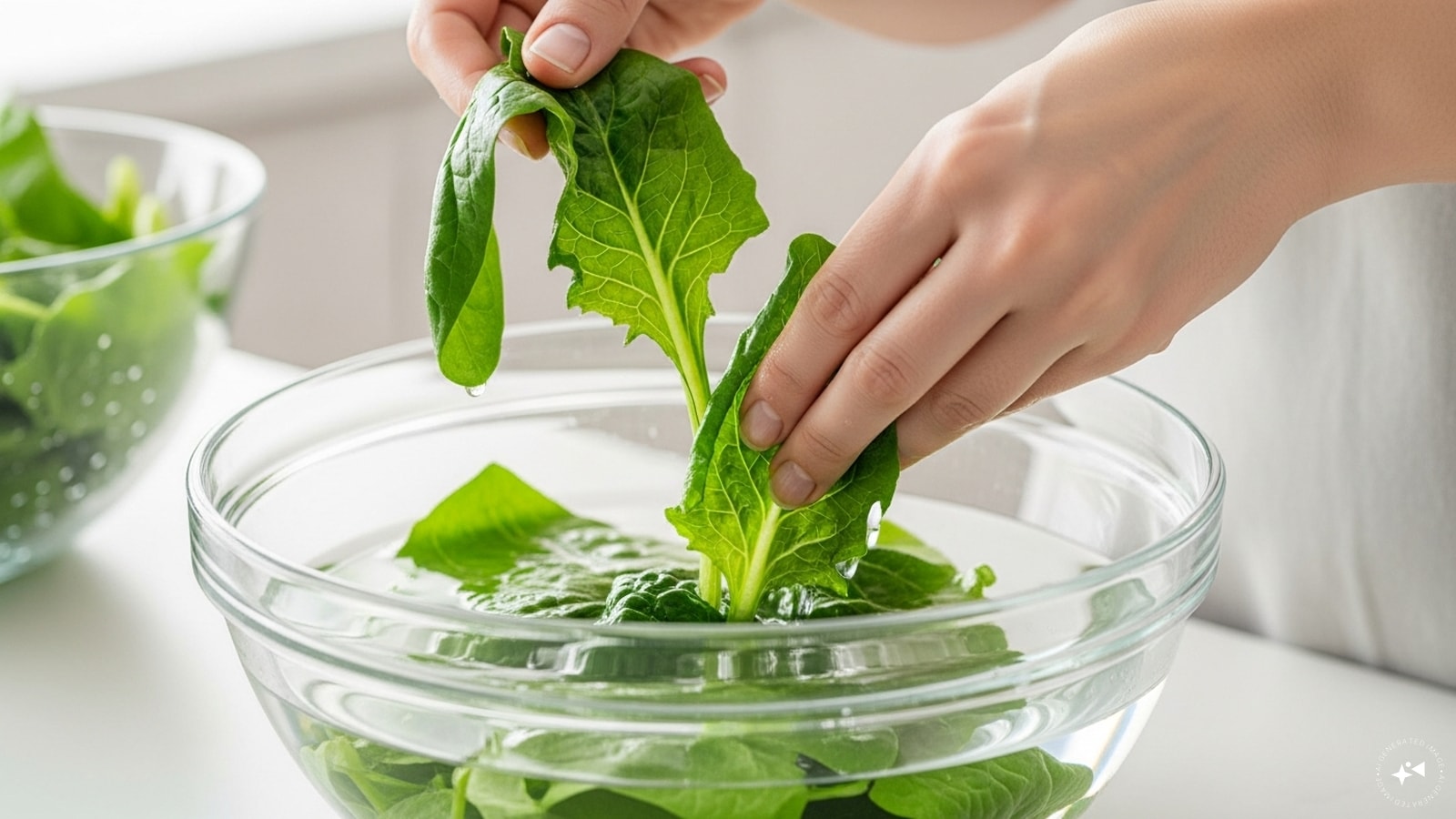
Peeling Leafy Greens: For leafy vegetables like spinach or lettuce, remove outer leaves and soak the remaining leaves in water. Many pesticides accumulate on the surface, so peeling or trimming ensures a cleaner, safer salad or dish.
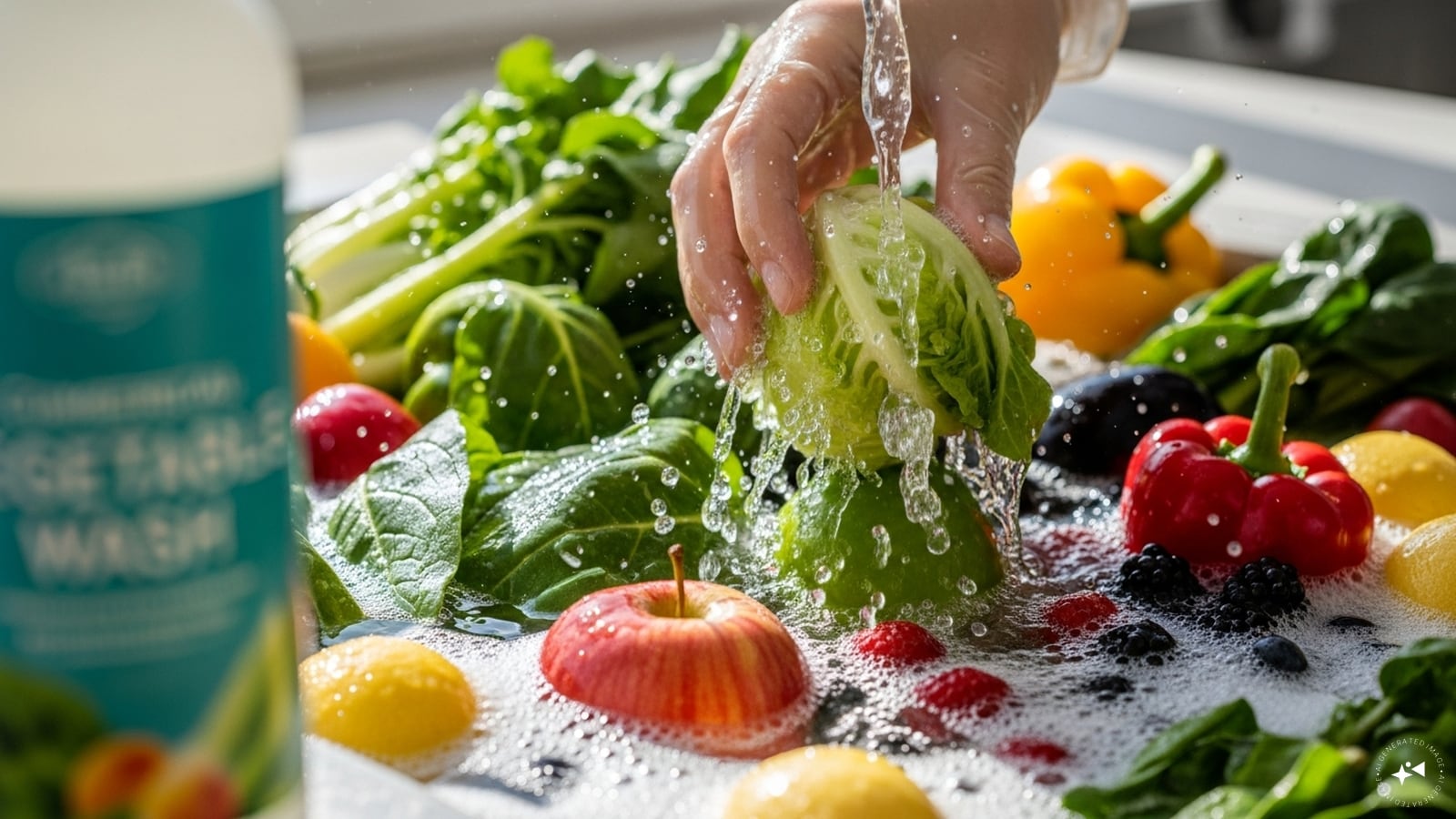
Commercial Vegetable Wash: Use commercially available fruit and vegetable washes according to the instructions. These solutions are specifically formulated to remove pesticide residues, dirt, and wax, providing a convenient option for those seeking extra cleaning assurance.
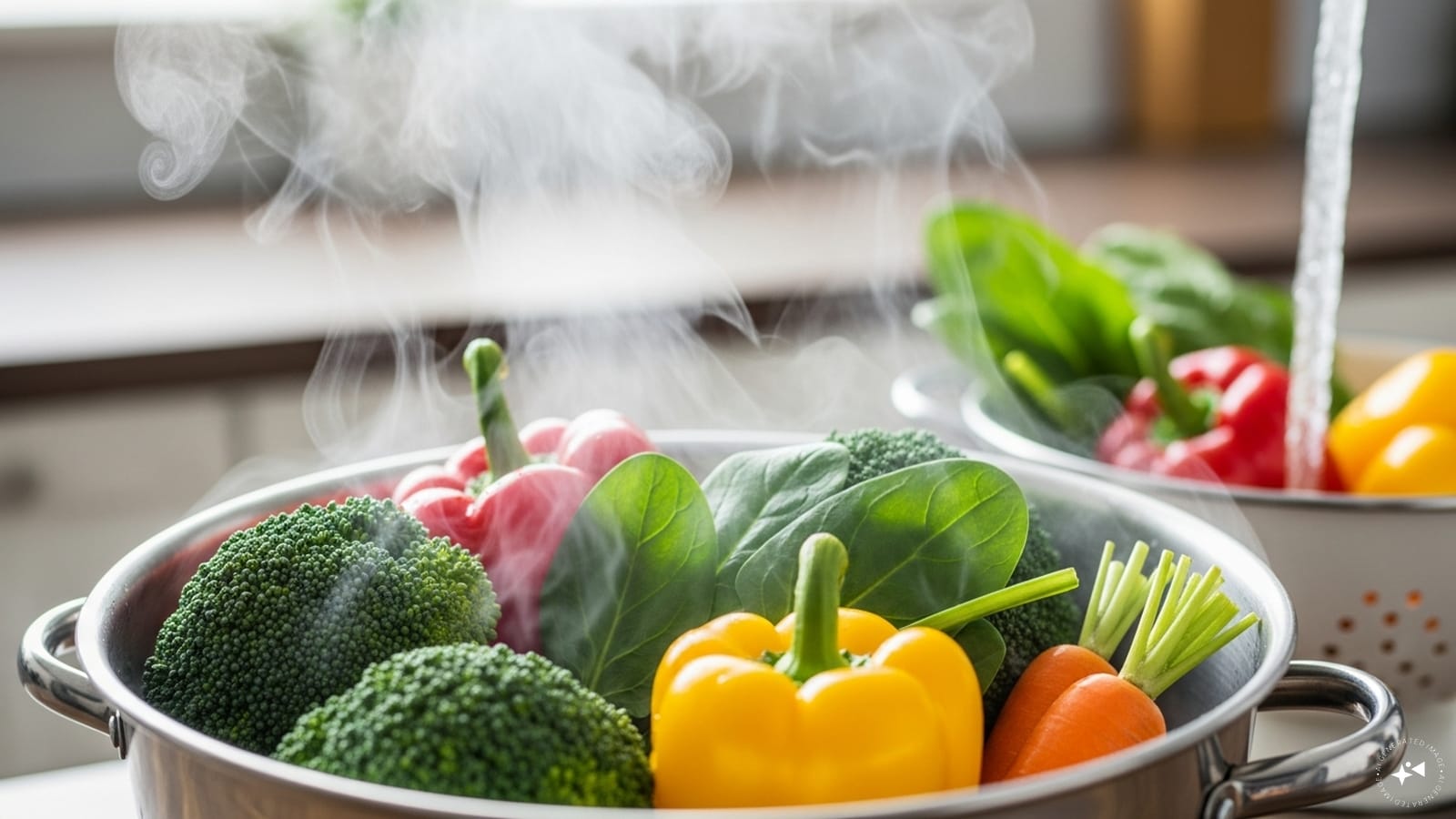
Steam Cleaning: Lightly steaming vegetables can help loosen surface pesticides and make them easier to wash away. This method preserves nutrients while providing an extra layer of safety, especially for delicate or leafy vegetables.