




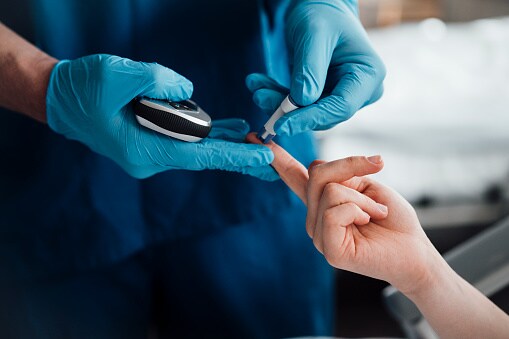
Prediabetes means you have a higher-than-normal blood sugar level. It’s not high enough to be considered type 2 diabetes yet. According to the Cleveland Clinic, the healthy blood sugar (glucose) levels are 70 to 99 milligrams per deciliter (mg/dL). If you have undiagnosed prediabetes, your levels are typically 100 to 125 mg/dL. Some subtle everyday symptoms could be your body’s early warnings. Don’t ignore them.

Constant Fatigue: Feeling tired even after a full night’s sleep? Low energy levels throughout the day are one of the earliest signs that your blood sugar is fluctuating.

Increased Thirst: If you’re suddenly reaching for water more than usual, it may be your body trying to flush out excess sugar.

Frequent Urination: Needing to pee more often, especially at night, is a common result of rising blood sugar levels.

Sudden Hunger Spikes: Feeling hungry soon after eating? Your body may not be using insulin properly, triggering frequent hunger.
Frequent Urination: Needing to pee more often, especially at night, is a common result of rising blood sugar levels.

Slow-Healing Wounds: Small cuts or bruises taking unusually long to heal? Poor circulation linked to high sugar could be the reason.

Young Asian woman rubbing her eyes due to feeling of discomfort from using a smartphone for long hours without rest or a break at home

Mood Swings & Irritability: Sugar highs and crashes can affect mood, concentration, and irritability throughout the day.

Darkening Around Neck or Armpits: Velvety dark patches (acanthosis nigricans) on the neck, elbows, or armpits can indicate insulin resistance.

Tingling or Numbness: A mild tingling in hands, feet, or toes may signal nerve sensitivity caused by rising glucose levels.
Disclaimer: This article is for informational purposes only and is not a medical diagnosis. If you notice these symptoms frequently, consult a qualified healthcare professional for proper testing and guidance. (All images: Representative/Getty)