




Fruits are a staple in most diets, but for people living with diabetes, not every fruit is automatically safe. Chickoo, also called Sapota, loved for its rich sweetness and soft texture, is often questioned for its effect on blood sugar levels. Can this popular fruit trigger a glucose spike, or can it be consumed safely? Here’s what Ayurvedic experts and nutritionists have to say.
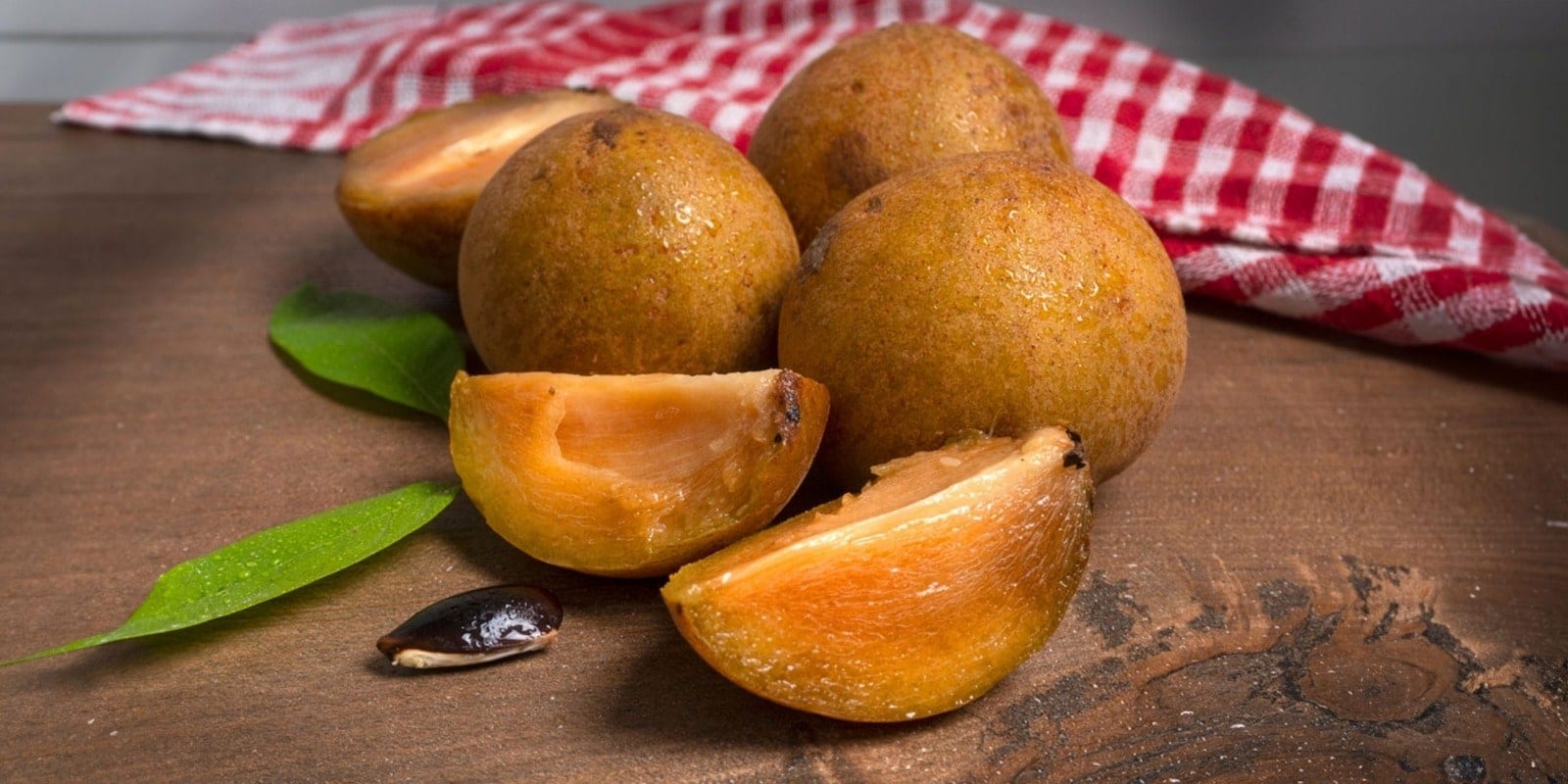
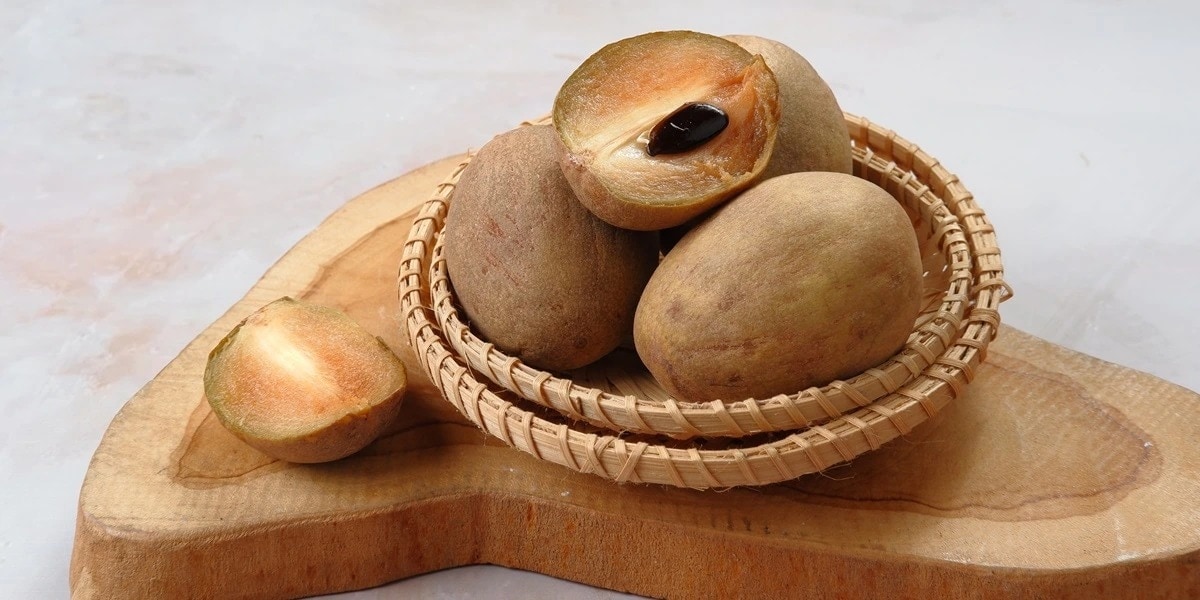
Chickoo is rich in nutrients. Despite its simple brown appearance, the fruit offers several health benefits. According to Ayurveda, sapota is highly beneficial for overall well-being. It contains essential vitamins such as A, B, C, and E, along with minerals including calcium, magnesium, potassium, and manganese. The fruit is also a good source of fibre and antioxidants, both of which are important for the body. Research published in international scientific journals suggests that sapota supports bone strength, improves eyesight, enhances lung health, and aids digestion.
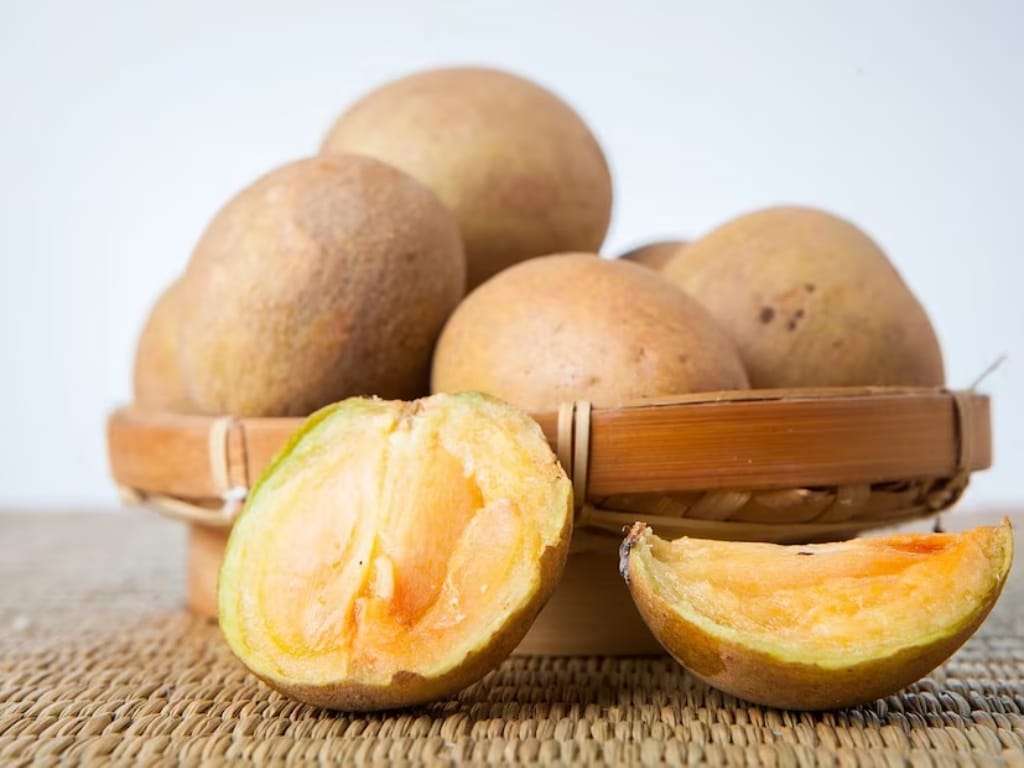
Speaking about its benefits, Ayurvedic expert Dr Pramod Anand Tiwari told the NewsPoint portal that chickoo is particularly good for heart health. It is also highly effective in managing stomach-related issues, helping to relieve constipation, bloating, and diarrhoea. The fruit’s natural anti-inflammatory properties assist in reducing swelling in the body. In addition, sapota helps lower excess body heat, strengthens immunity, and plays a role in regulating blood pressure.
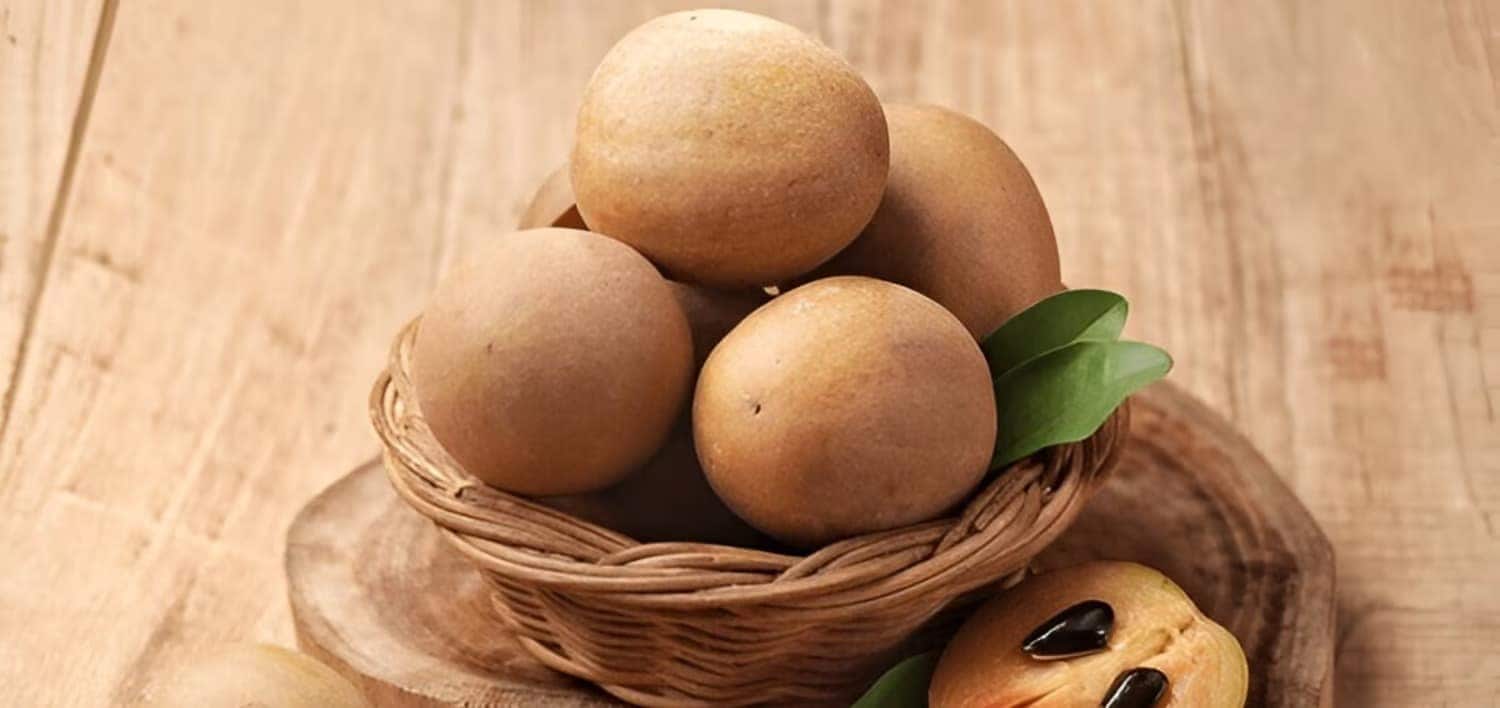
Sapota contains natural sugars such as fructose and sucrose, which provide quick energy. This makes it a suitable option for people who feel fatigued or those who engage in regular physical workouts. The vitamin E and antioxidants present in sapota help protect the skin from wrinkles and act as natural anti-ageing agents. Experts also suggest that sapota may help reduce nausea and dizziness in pregnant women.
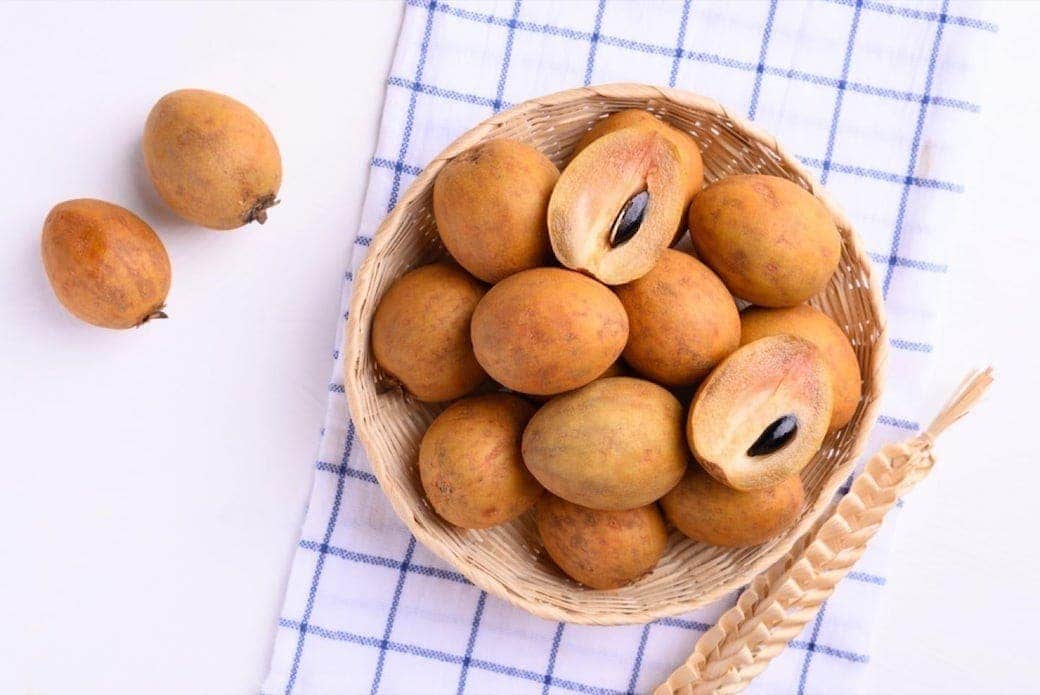
However, when it comes to diabetes, caution is necessary. While chickoo offers many health benefits, it contains a high amount of natural sugar and has a high glycaemic load. This means that consuming sapota can lead to a significant rise in blood glucose levels. For this reason, doctors strongly advise people with poorly controlled diabetes to avoid eating sapota. Those who wish to include it in their diet should consume only very small quantities and do so strictly under medical guidance.
Certain individuals should avoid chickoo altogether. People with diabetes or unstable blood sugar levels are advised to stay away from it, as it can negatively affect glucose control. Additionally, sapota contains latex and tannins, which may trigger allergic reactions in some individuals. Anyone trying the fruit for the first time should therefore be cautious. Sapota is also not recommended for those following a weight-loss diet. The fruit is high in calories and sugar, increasing the risk of weight gain. For safer alternatives, fruits such as guava, apples, or berries are considered better choices.