




Pizza Margherita: Though synonymous with Naples, pizza Margherita as we know it—topped with tomato, mozzarella, and basil—was popularized internationally by Americans, evolving far beyond its original Neapolitan street-food roots.
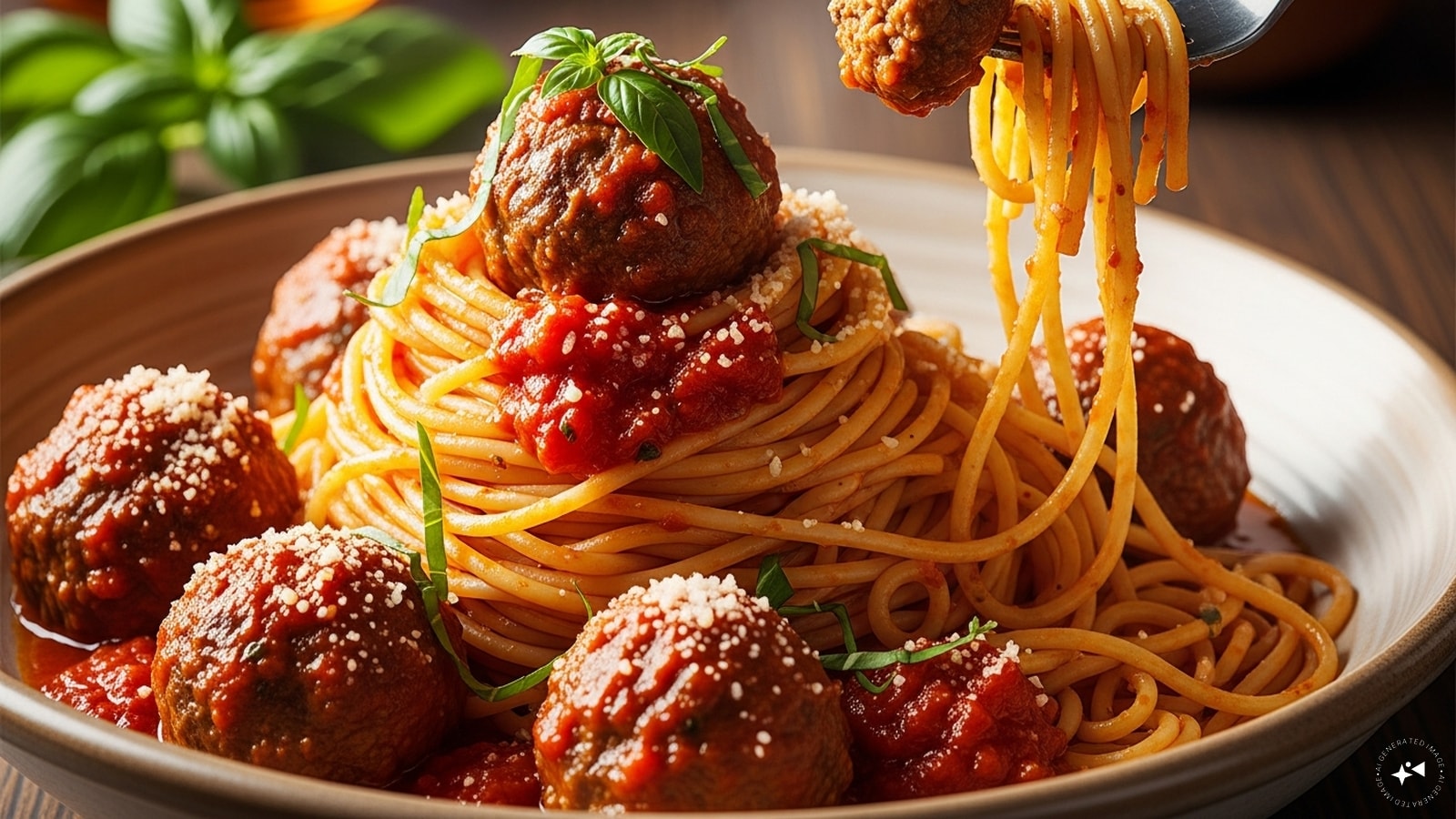
Spaghetti And Meatballs: Contrary to popular belief, spaghetti with large meatballs isn’t traditional Italian. Italian immigrants in the U.S. combined spaghetti with American-sized meatballs, creating a dish now mistaken for authentic cuisine.
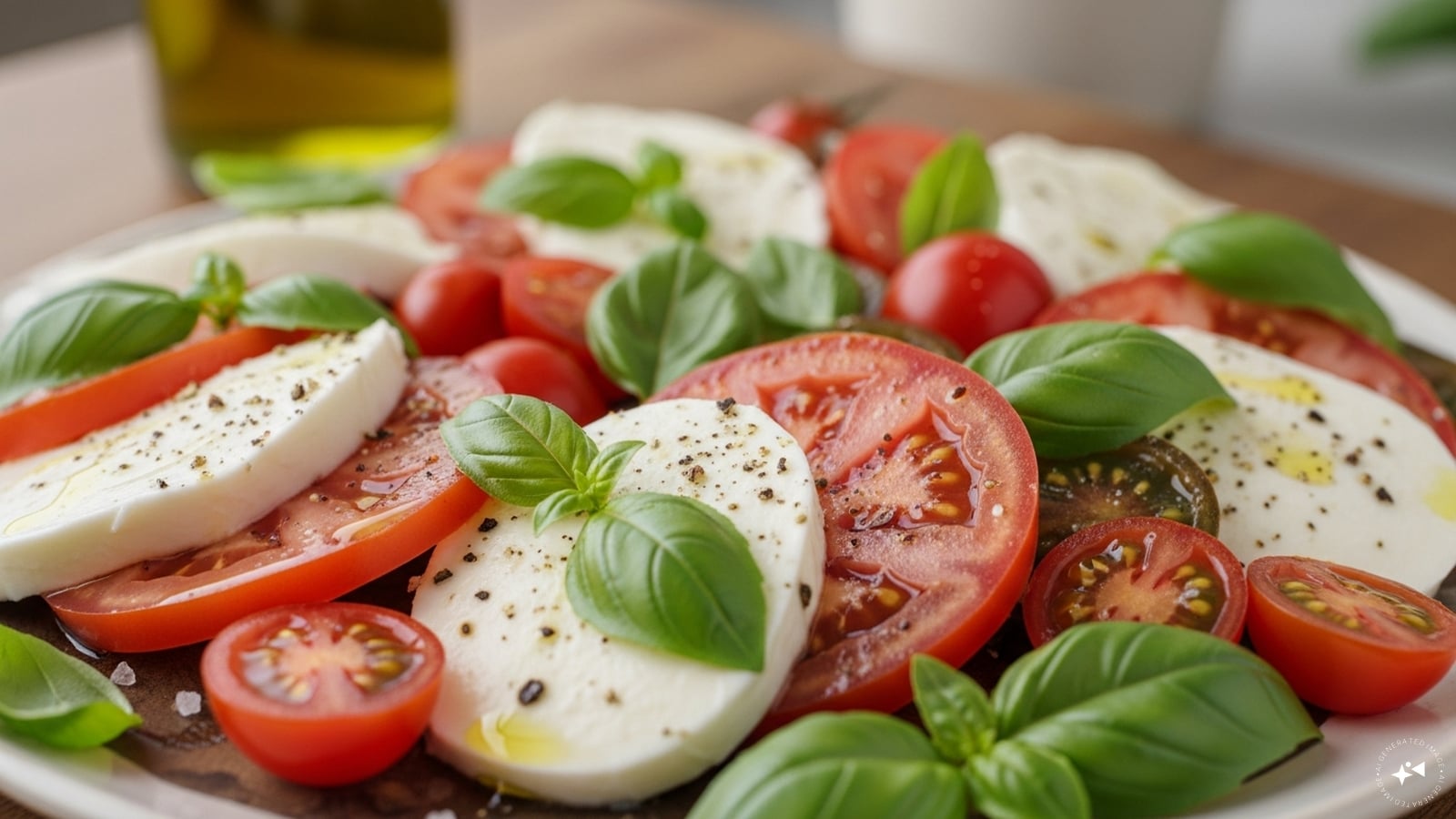
Caprese Salad: Though named after Capri, the Caprese salad as we know it—arranged tomato, mozzarella, and basil with olive oil—is considered a modern creation from the 20th century, not a historical Italian staple.
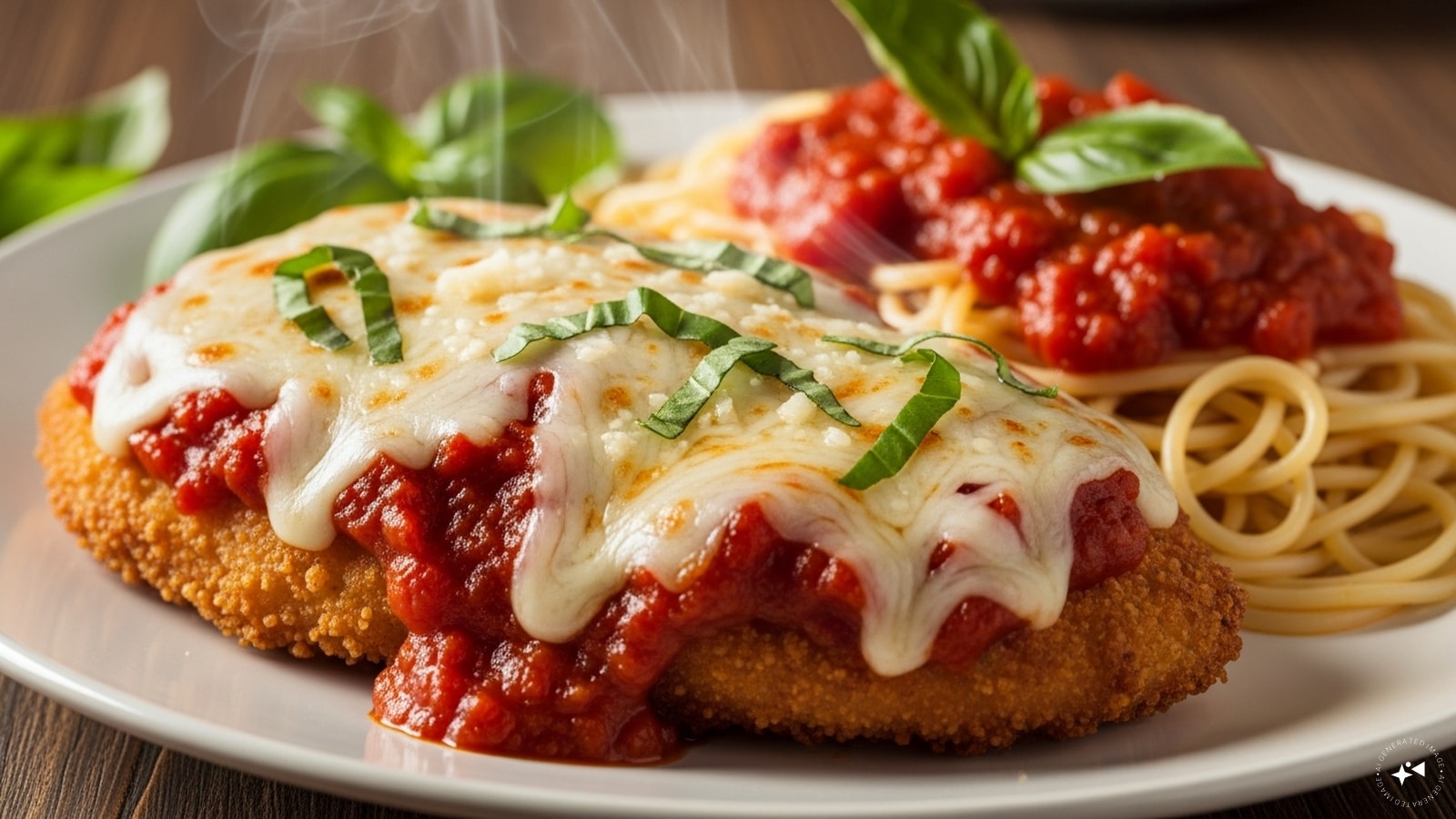
Chicken Parmesan: Despite its Italian name, chicken Parmesan originated in the U.S., where immigrants adapted eggplant parmigiana using breaded chicken and mozzarella, creating a cheesy, comforting dish far richer than the original.
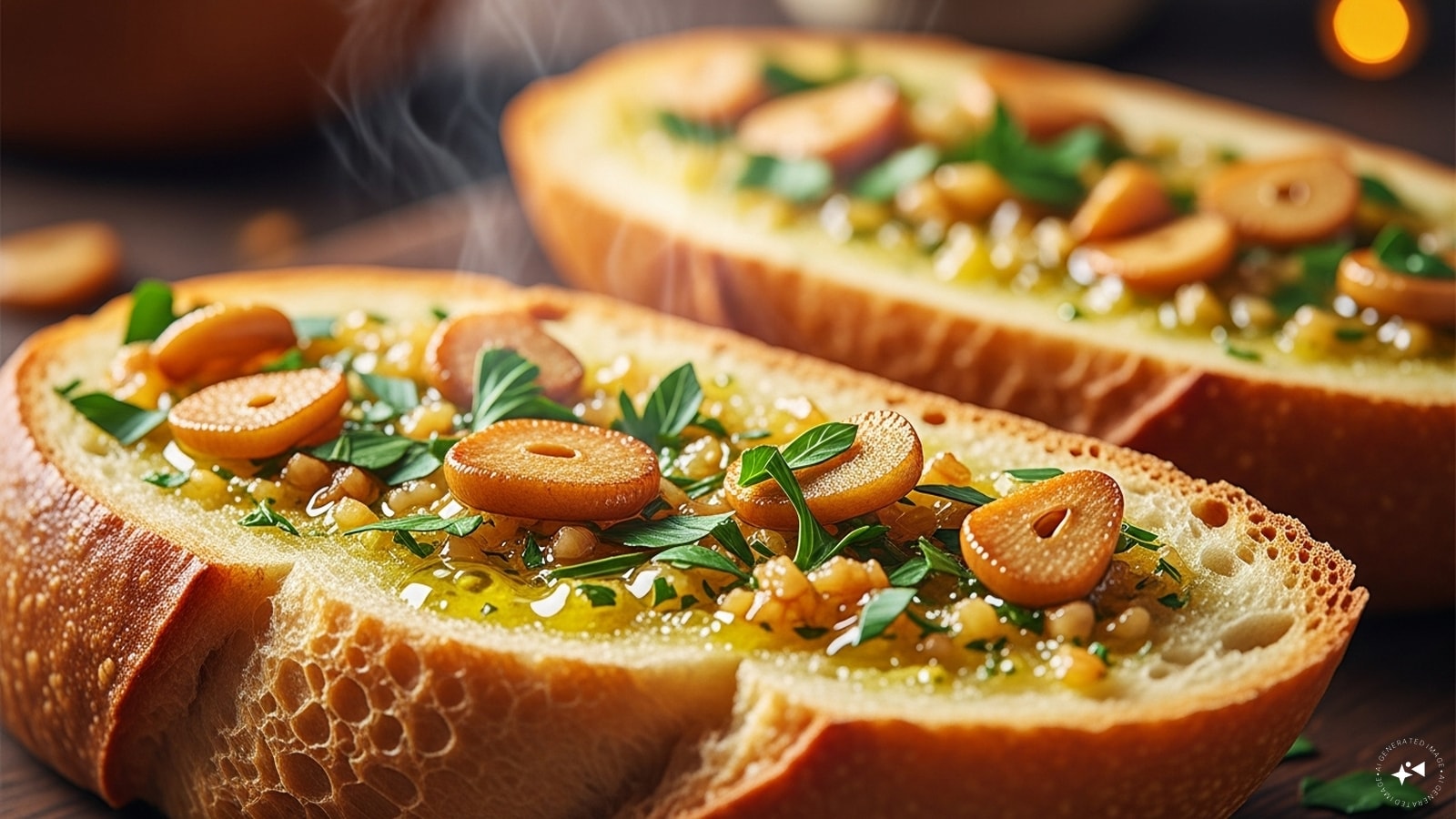
Garlic Bread: Traditional Italian bruschetta uses toasted bread, raw garlic, and olive oil, but the buttery garlic bread popular worldwide stems from French techniques, later embraced by Italian-American restaurants alongside pasta.
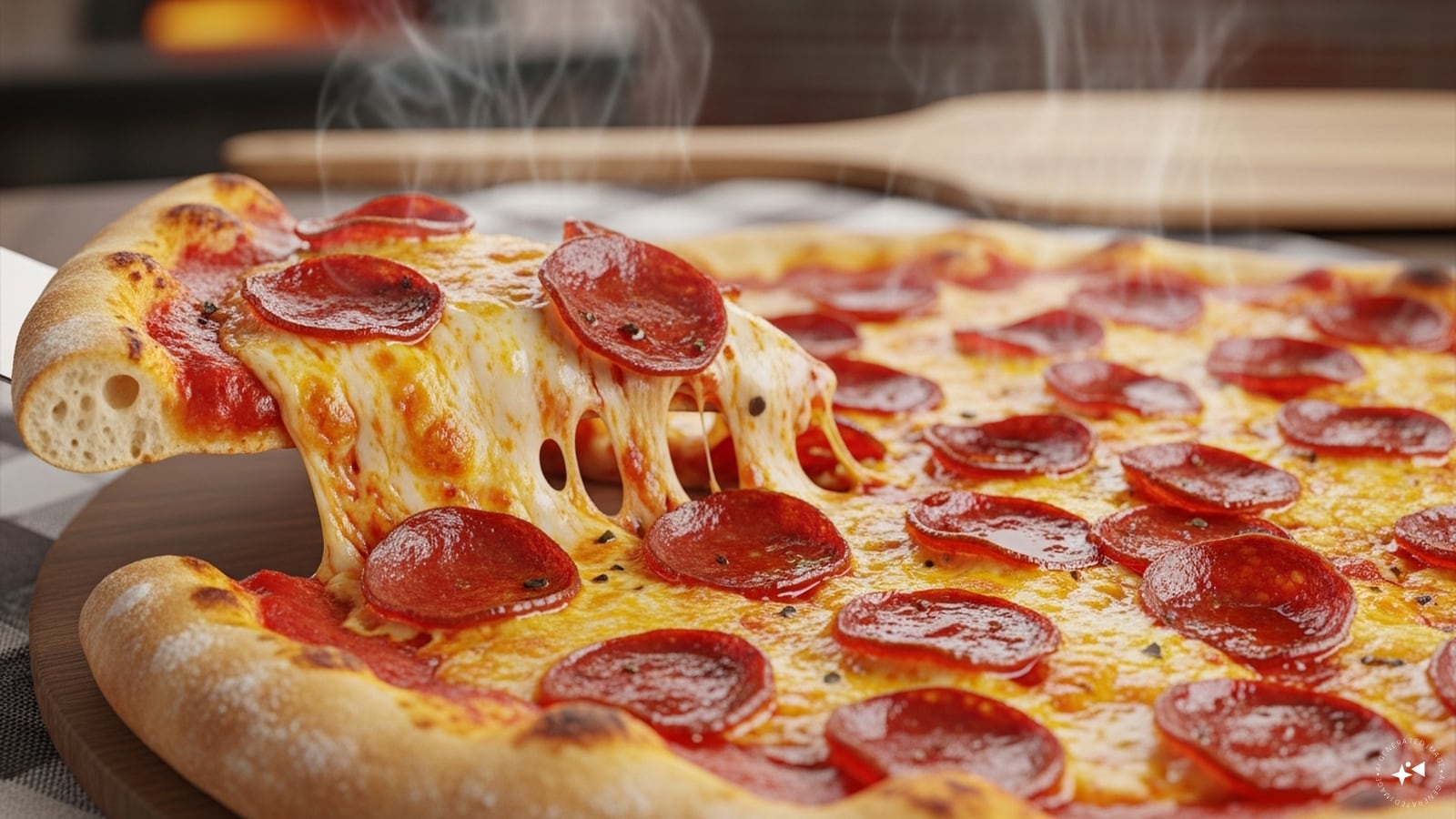
Pepproni Pizza: In Italy, “pepperoni” means bell peppers, not spicy sausage. The cured meat topping was invented in the U.S., inspired by Italian salamis, becoming a global pizza staple Italians never actually created.
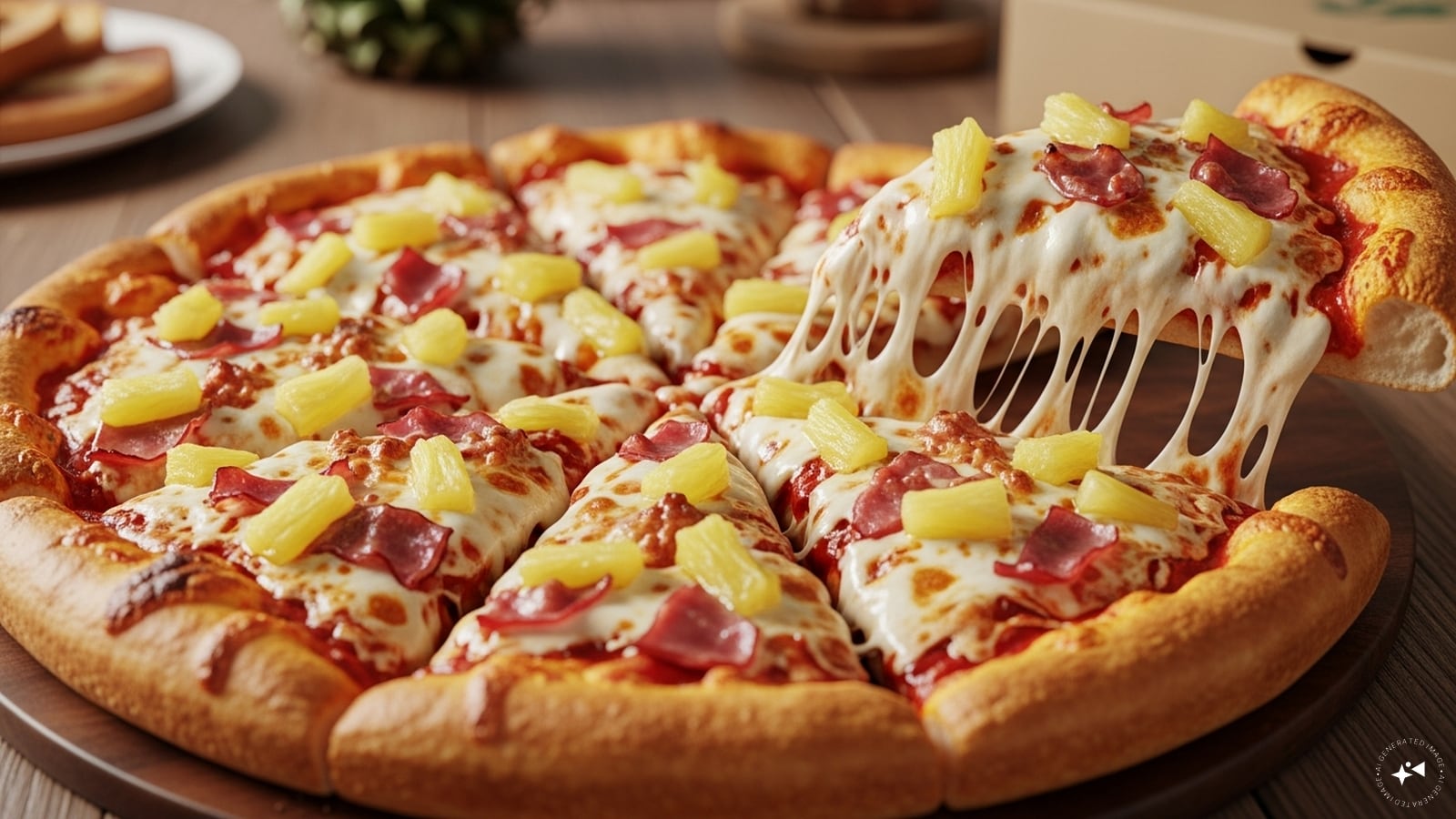
Hawaiin Pizza: Ham and pineapple pizza, often credited to Italy, actually originated in Toronto, Canada. Mid-20th-century sweet-savory trends made canned pineapple popular, sparking debates and cementing its fame as a controversial “Italian” export.