




Many households begin their day by bathing and offering prayers to the tulsi plant, believed to bring positive energy and well-being. In Hindu tradition, tulsi is revered as a deity, and its drying up is considered an ill omen. Simply planting it in a pot and watering it is not enough, proper care is essential. Overwatering, sudden weather changes, or improper pruning can quickly cause the plant to wither. Here are some simple tips to keep your tulsi plant green, healthy, and thriving.

Use turmeric water: Turmeric acts as a natural anti-fungal and antibacterial agent. If your tulsi plant develops fungus or pests, mix one teaspoon of turmeric in one litre of water and spray it on the leaves. You can also pour this mixture into the soil to protect the plant from disease.

Add used tea powder as fertiliser: Used tea leaves make an effective natural fertiliser. Rinse them thoroughly, dry them, and mix them into the soil at the base of the plant once or twice a month. The nitrogen in tea leaves supports healthy growth and keeps the leaves green.

Try camphor water for insects: During winter or in damp conditions, black insects often attack tulsi plants. In such cases, dissolve a small amount of camphor in water and pour it near the roots. The strong scent of camphor helps repel insects.
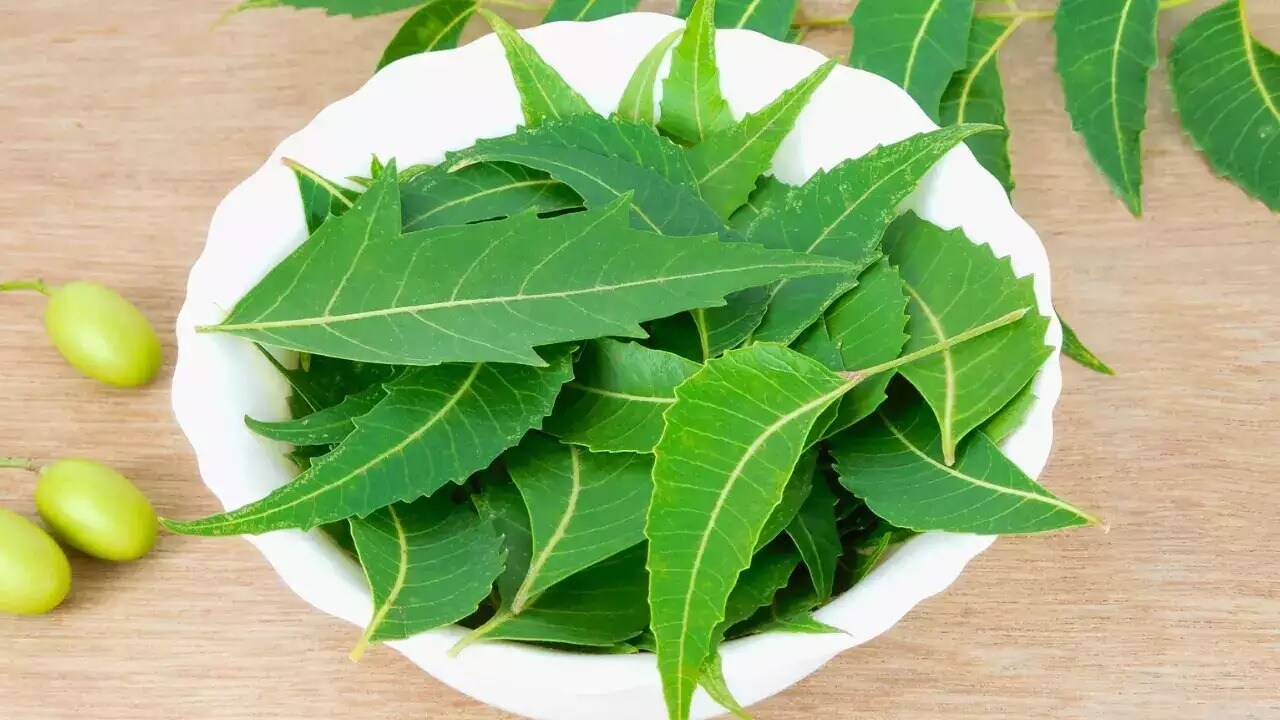
Use neem leaf powder: Neem leaves have strong antibacterial and pest-repelling properties. Dry the leaves, grind them into a fine powder and mix it into the soil once or twice a month. This helps prevent fungal infections and keeps insects away from the roots.

Milk and water mixture: An old and trusted remedy is to mix two teaspoons of raw milk in one cup of water. Pour this at the base of the plant once a week. It nourishes the soil, maintains moisture and supplies essential nutrients.

Wood ash for strength: Ash from burnt wood can benefit tulsi plants. Add a small amount to the soil, as the potassium it contains promotes healthy growth and protects the plant during colder months.
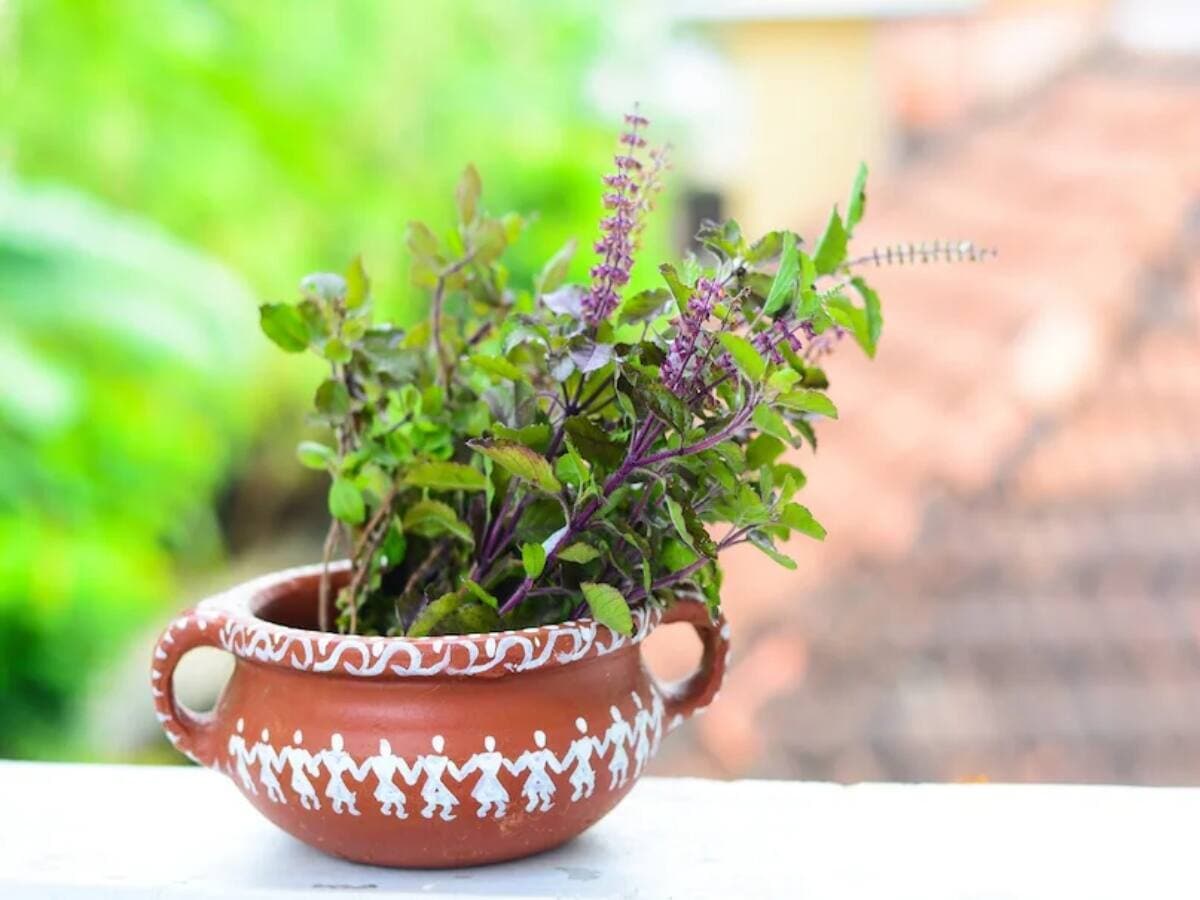
Trim the seeds regularly: Cut off the seeds as soon as they appear. If the plant directs all its energy towards seed production, the leaves dry out faster. Regular trimming encourages new branches, making the plant bushier and longer-lasting.