




Destination XL has seen sales fall by about 6 percent as Americans turn to weight-loss drugs.
The plus-size men’s clothing chain recently reported its earnings for the fourth quarter of the 2025 fiscal year, which ended on January 31, 2026. Total sales for the quarter were $112.1 million, a 6 percent decrease from the year before.
In a call with analysts last Thursday, DXL CEO Harvey Kanter said of GLP-1 drugs, “We didn’t think it was going to be impacting the business as much at the level we think today it is.”
“And we also have been told and see customers that are moving around, both moving down in size, but also for whatever reason, on the drugs and they decide to get off and they’re moving back up,” Kanter said. “So there’s just a lot of volatility. I don’t know that we’re going to see what I would tell you some level of stabilization of the consumer relative to GLP drugs for some period of time.”
Kanter suggested customers may not want to buy more clothes until they are at a weight they want to maintain.
“Typically, weight loss of any kind up or down is a friend of ours. But I think right now, we’re in a pattern where they’re losing weight and they’re on a journey, and they’re trying to not to buy clothes until they’re done with that journey. So we do think it will come back,” the CEO said.
Retail Dive reported first on the effects weight-loss drugs have had on DXL.
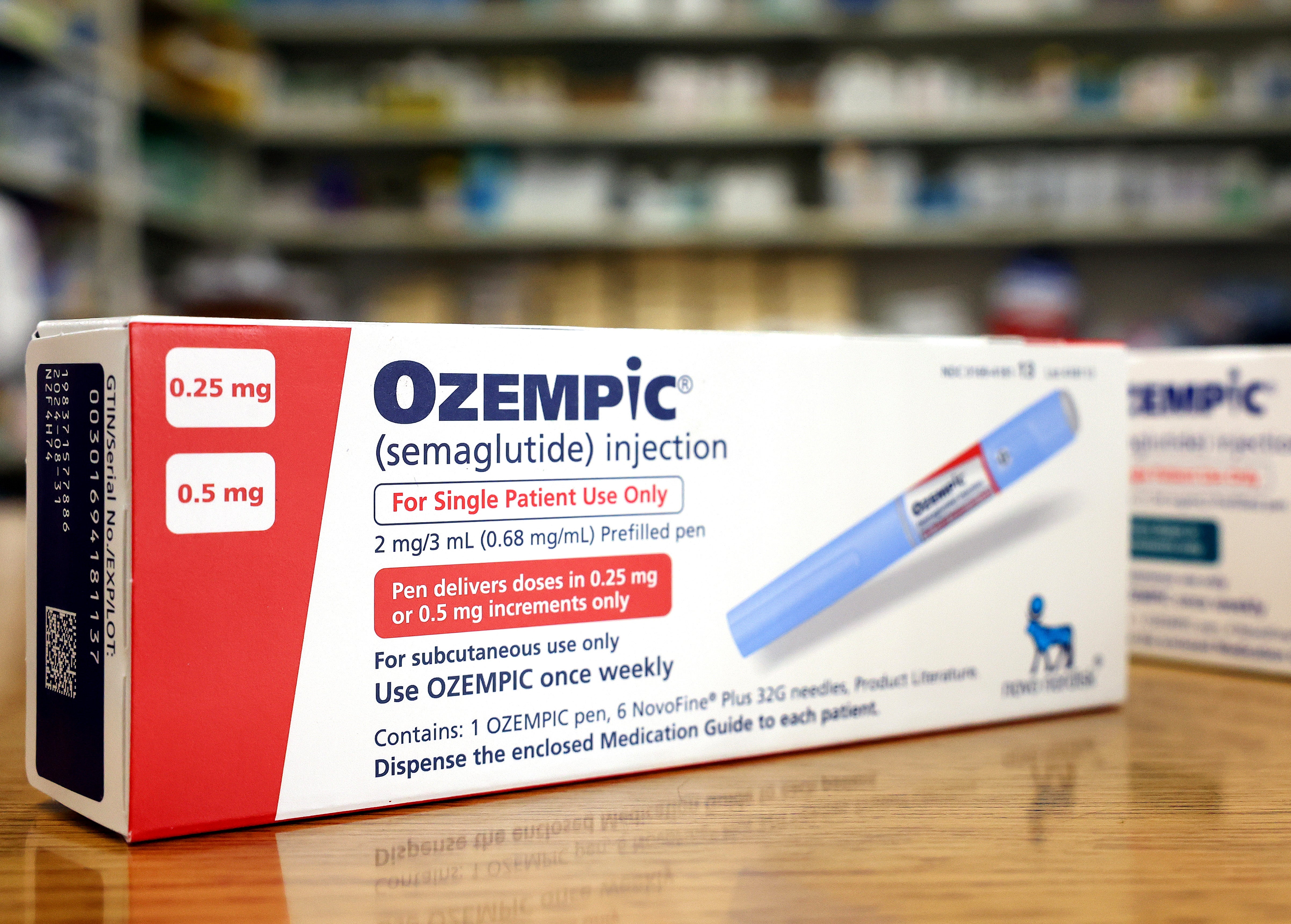
According to a poll released by health policy organization KFF last November, 1 in 8 US adults said they are taking a GLP-1 drug such as Ozempic or Wegovy for weight loss, diabetes or another chronic condition. Nearly one in five adults said they have taken a GLP-1 drug at some point.
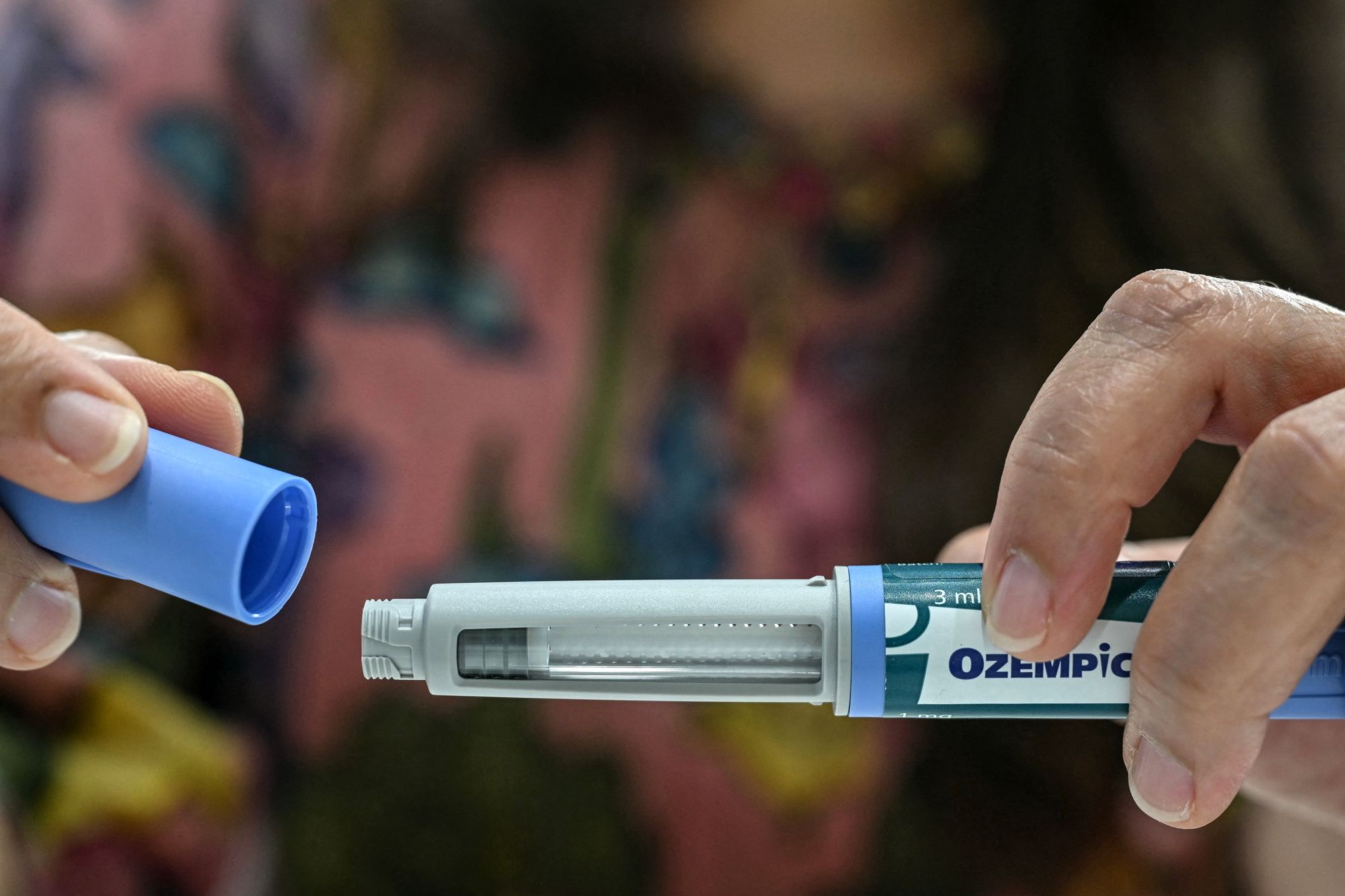
A recent study by Cleveland Clinic found 47.6 percent of those who stopped taking weight-loss drugs did so for financial reasons, whether that be because insurance didn’t cover it, a discount for the drug was no longer available or out-of-pocket costs were unaffordable.
Another 14.6 percent said they stopped because of side effects, and another 11.8 percent said they stopped because of drug shortages.

Get a free fractional share worth up to £100.
Capital at risk.
Terms and conditions apply.
Go to website
ADVERTISEMENT
Get a free fractional share worth up to £100.
Capital at risk.
Terms and conditions apply.
Go to website
ADVERTISEMENT
The use of GLP-1 drugs by customers was just one of several factors impacting the plus-size apparel industry.
“Fiscal 2025 as a whole reflects the ongoing challenges facing the big + tall retail sector. Traffic remained soft, consumer sentiment was cautious, and customers shopped less frequently, often prioritizing essentials and lower price points,” Kanter said in a recent press release.
Despite a decrease in fourth-quarter sales, DXL remains optimistic about the fiscal year ahead.
“Our fourth quarter comparable sales through the holiday season and into early January were down 5.8 percent, an improvement from the rest of the year. That momentum was interrupted by a severe Arctic weather event that impacted much of the country during the final two weeks of January,” Kanter said. “However, I am pleased to report that 2026 is off to a better start with comparable sales for the month of February down 1.3 percent and early March appears to be following a similar trend.”
DXL will close a merger with FullBeauty Brands in the second quarter of the 2026 fiscal year.
“This merger creates a scaled, category-defining retailer for inclusive apparel, which we expect will generate $1.2 billion of revenue, $25 million of annual run-rate cost synergies, and meaningful commercial synergies, creating a compelling opportunity to drive long-term value for DXL shareholders,” Kanter said.