




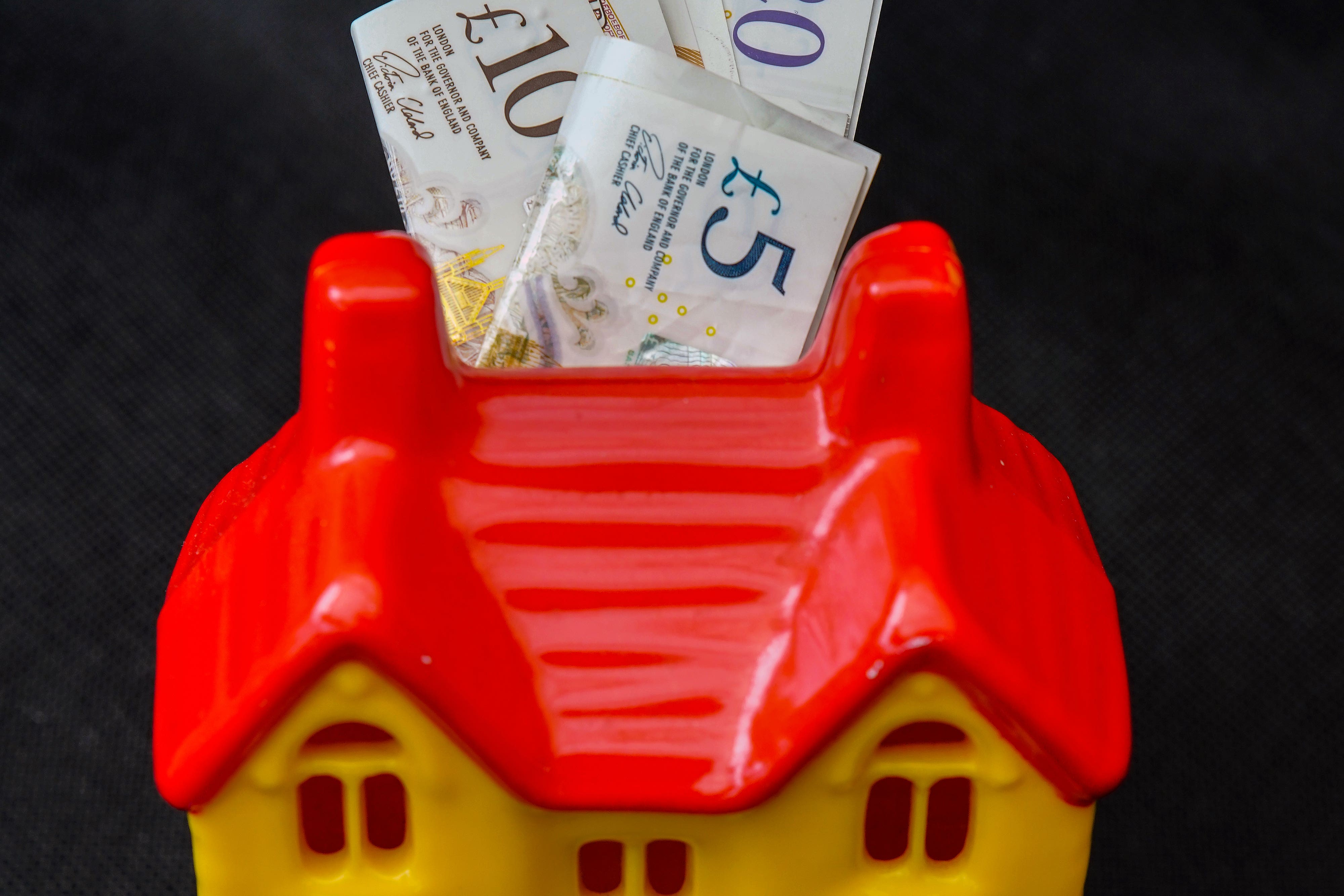
Mortgage approvals for home buyers plummeted to a two-year low in January, falling below 60,000 for the first time since January 2024, according to new figures from the Bank of England.
The Bank’s Money and Credit report revealed that just 59,999 approvals for house purchases were recorded in January 2026, marking the lowest total since 55,946 approvals in January 2024.
Approvals for remortgaging with a different lender also saw a slight decline, dropping to approximately 38,100 in January from 38,400 in December.
These figures emerge as Nationwide Building Society reported “steady” house price growth in February, anticipating an increase in housing market activity in the coming months.
Nationwide stated that the average UK house price rose by 0.3 per cent month-on-month in February, with an annual increase of 1.0 per cent. The typical house price stood at £273,176 last month.
Lucian Cook, head of residential research at Savills, said: “With nominal house price growth running at just 1.0 per cent, prices are still falling on an inflation adjusted basis.
“This is contributing to a gradual improvement in affordability, particularly across London and the south. However, against the current economic backdrop, many prospective buyers remain cautious about taking advantage of that improved position.”
He added: “At the top end of the market, activity above £1 million remains down 3.2 per cent year‑on‑year. This increasingly points to a slow bottom‑up market recovery.”
Richard Donnell, executive director at Zoopla said: “The latest mortgage approvals data align closely to the overall trends in the housing market with a sustained recovery in sales since 2023 now starting to plateau.”

Get a free fractional share worth up to £100.
Capital at risk.
Terms and conditions apply.
Go to website
ADVERTISEMENT
Get a free fractional share worth up to £100.
Capital at risk.
Terms and conditions apply.
Go to website
ADVERTISEMENT
Rob Wood, chief UK economist at Pantheon Macroeconomics said: “Granted net new mortgage approvals for house purchase disappointed the consensus by falling to a two-year low.
“But we are confident that housing transactions will pick up now. Approvals are likely reflecting poor sentiment around the budget with a lag.”
Jason Tebb, president of OnTheMarket, said: “Last year’s rate reductions had a positive impact on activity, and further cuts this year should boost activity and transactions.”
Jeremy Leaf, a north London estate agent said: “Clearly buyers are still nervous despite expectations that inflation and mortgage rates will continue along a downwards path. On the ground the amount of choice, particularly of flats, is encouraging more first-time buyers to transact.”
Simon Gammon, managing partner, Knight Frank Finance, said: “The outlook for activity and rates appeared relatively benign only last week, but conflict in the Middle East has introduced fresh uncertainty.
“Any spike in oil prices could fuel global inflation or, at the very least, prompt central banks, including the Bank of England, to delay further rate cuts until the outlook becomes clearer.”
Meanwhile, the annual growth rate for consumer credit remained unchanged at 8.3 per cent in January, the Bank of England report said.
Within this total, the annual growth rate for borrowing using credit cards slowed to 12.3 per cent, from 12.4 per cent, previously.
Households’ deposits with banks and building societies increased by £4.2 billion in January, following net deposits of £4.5 billion in December.
Underlying the net increase was an additional £5.2 billion cash injection into Isas, with inflows into accounts being partially offset by withdrawals.
In January, UK non-financial businesses borrowed, on net, £7.9 billion of loans from banks and building societies (including overdrafts), following £1.1 billion of net borrowing in December.