




The state pension age rise from 66 to 67 has officially started as of April 2026, bringing a long-anticipated change that will force millions of workers to wait longer for retirement.
An individual’s exact date of birth will affect when they can start claiming, with some having to delay their retirement by a month compared to someone born just a day earlier.
The planned changes have been set since 2014, and will affect men and women equally. While people can choose to retire earlier than this date, and may choose to do so if they have a private pension, the state pension age is the earliest anyone can begin claiming the government-provided pension.
Tom Selby, director of public policy at AJ Bell, said: “The state pension is the bedrock upon which millions of Brits build their retirement plans. However, the sands are shifting, with a long-trailed hike in the state pension age to 67 kicking off from April this year and completing in 2028.
“In the short term that is a recipe for confusion – many of those affected during the transition will inevitably be completely unaware that this is happening and have to plug an income gap, albeit potentially only for a few months, as a result.”
From this month, all workers born after April 1960 will start to see their state pension age rise. Here’s what that could mean:
The exact date of birth is important, with 5 April 1960 the last birthday to keep the retirement age of 66.
For those born on or after 6 April 1960, this will rise to 66 years and one month, and will continue to rise by an extra month on the 6th of every month.

Get a free fractional share worth up to £100.
Capital at risk.
Terms and conditions apply.
Go to website
ADVERTISEMENT
Get a free fractional share worth up to £100.
Capital at risk.
Terms and conditions apply.
Go to website
ADVERTISEMENT
This will continue until 6 March 1961, with those born on or after that day having a retirement age of 67.
Under current plans, this will apply for those born before 5 April 1977 – the last date of birth with a retirement age of 67. After this, it will increase monthly in a similar process to what is planned next year.
This also won’t be the last state pension age increase most UK workers see in their lifetimes. Current legislation will see the age rise from 67 to 68 between 2044 and 2046.
There is speculation this could be brought forward following Labour’s upcoming pension review, announced in July last year. However, any change to the state pension age must come with at least 10 years’ notice.
Since 2015, campaigners for the Women Against State Pension Inequality (Waspi) group have called for successive governments to provide redress due to the inadequate communication of state pension changes for women born between 1950 and 1960. The group was recently told for a second time that there will be no compensation scheme.
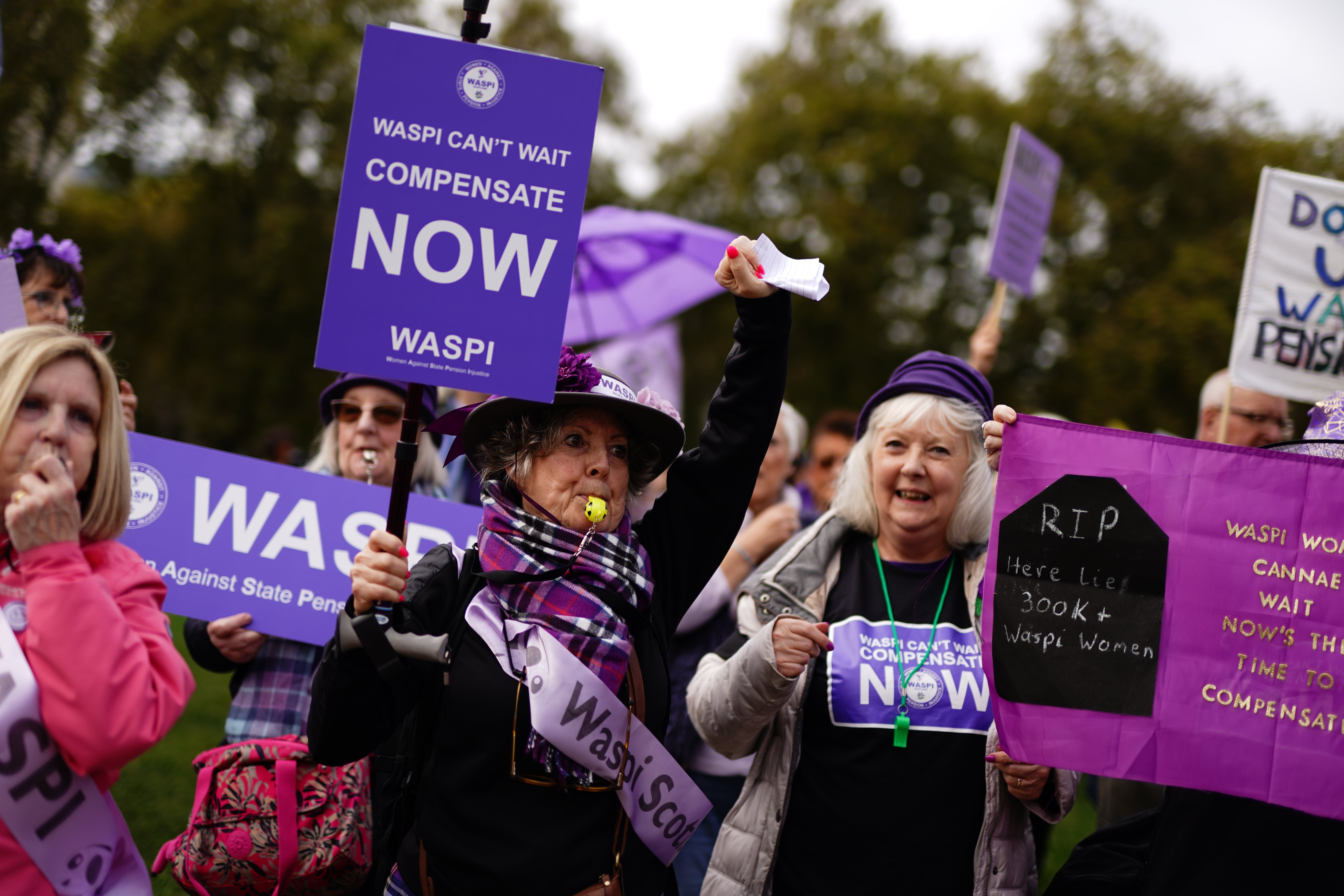
Mr Selby said: “Given the level of controversy we have seen when the state pension age has increased previously, good government communications will be key over the coming months and years.
“You should receive a letter from the Department for Work and Pensions (DWP) a month before you are entitled to the state pension informing you when and how you can claim the benefit. For those who are unsure of their state pension age or entitlement, the government has a couple of handy online tools that allow you to check both.”
As the phased rise commences, the Centre for Better Ageing has warned that hundreds of thousands of older people could be pushed into poverty as a result of the change.
Elaine Smith, head of employment and skills at the charity for older people, said: “While raising state pension age has considerable financial benefits for the Treasury to the tune of £10 billion, it also has negative real-life consequences for people in their sixties.
“The last time the state pension increased to 66, poverty for 65-year-olds doubled.
“The rise to 67 is likely to have larger effects, especially for groups with low private pension provision, so we are likely to see sharp increases in pre-pension poverty and greater reliance on working-age benefits.”
When workers can retire in 2026, based on when they were born:
- 5 April 1960 and before – 66 years. Retirement date: 5 April 2026
- 6 April 1960 – 66 years, one month. Retirement date: 6 May 2026
- 6 May 1960 – 66 years, two months. Retirement date: 6 July 2026
- 6 June 1960 – 66 years, three months. Retirement date: 6 August 2026
- 6 July 1960 – 66 years, four months. Retirement date: 6 November 2026
- 6 August 1960 – 66 years, five months. Retirement date: 6 January 2027
- 6 September 1960 – 66 years, six months. Retirement date: 6 March 2027
- 6 October 1960 – 66 years, seven months. Retirement date: 6 May 2027
- 6 November 1960 – 66 years, eight months. Retirement date: 6 July 2027
- 6 December 1960 – 66 years, nine months. Retirement date: 6 August 2027
- 6 January 1961 – 66 years, ten months. Retirement date: 6 November 2027
- 6 February 1961 – 66 years, 11 months. Retirement date: 6 January 2028
- 6 March 1961 – 67 years. Retirement date: 6 March 2028