




A retailers group is renewing calls to ditch Michigan’s soda bottle and can deposit scheme, amid claims it is making groceries more expensive.
The Midwest Independent Retailers Association wants Gov. Gretchen Whitmer to back a push for more curbside recycling rather than the current incentive that pays consumers a dime for every bottle or can they return.
“We’re asking Gov. Whitmer to consider starting the conversation about repealing the Bottle Bill in her final State of the State address this week,” Bill Wild, the association’s CEO, told Fox 2 Detroit.
“This conversation is going to require a governor to get behind it, and then because it was part of the state constitution, it’s going to require two-thirds of the legislature to put a new initiative on the ballot.”
The Michigan Bottle Deposit Law, often dubbed the Bottle Bill, was passed in 1976 in response to concerns over growing litter on freeways.
According to the Michigan government’s website, it provides for “the use of returnable containers for soft drinks, soda water, carbonated natural or mineral water or other non-alcoholic carbonated drink; beer, ale or other malt drink of whatever alcoholic content.”
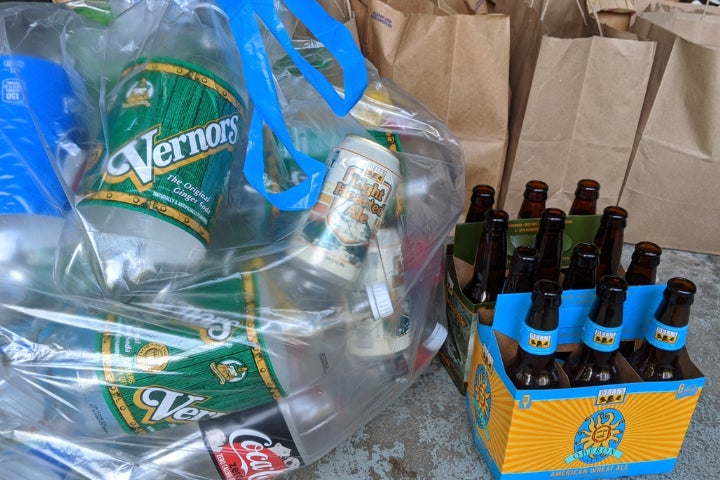
Under the program, consumers who return bottles or cans receive a 10-cent refund per container; it was an instant hit when rolled out in 1978, and its success was subsequently copied by other states.
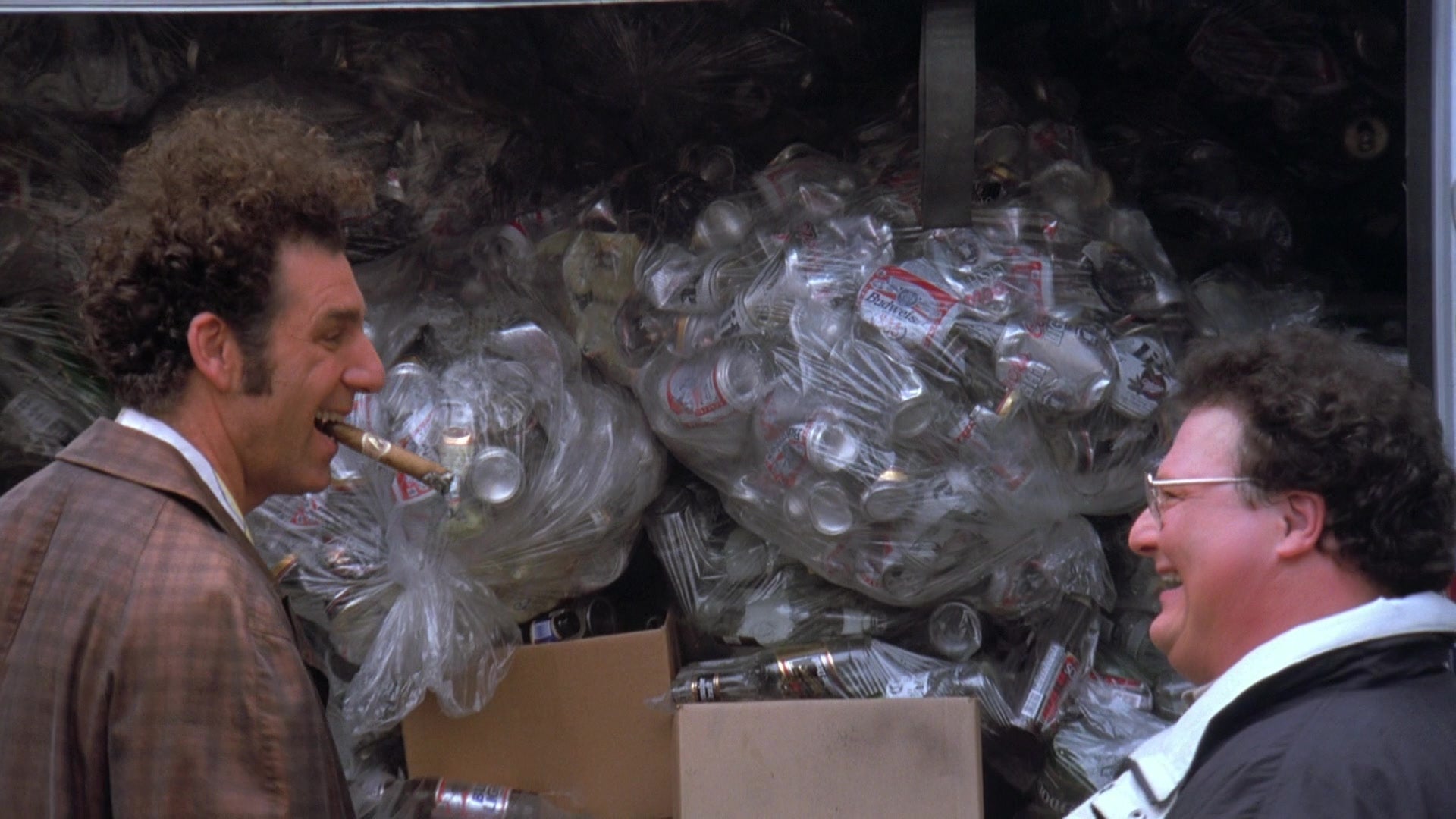
The scheme even featured in a two-part episode of the NBC sitcom Seinfeld in 1996, ‘The Bottle Deposit,’ in which the show’s characters Newman and Kramer hatch a plan to transport truckloads of empty bottles and cans across state lines to claim cash for them in Michigan.
The state considers plots like these a scam and earmarks $1 million annually for a Bottle Bill Enforcement Fund to protect against such gambits.

Get a free fractional share worth up to £100.
Capital at risk.
Terms and conditions apply.
Go to website
ADVERTISEMENT
Get a free fractional share worth up to £100.
Capital at risk.
Terms and conditions apply.
Go to website
ADVERTISEMENT
At its peak, the bottle deposit system reached return rates as high as 95 percent, but the program has not been updated for decades and its success has faltered in recent years.
By 2024, return rates had declined to 70.4 percent according to a report from the University of Michigan, details of which were reported by industry publication Resource Recycling Inc.
“Under the current framework, distributors initiate the deposit, retailers handle container returns, consumers redeem the deposit at the store and distributors or third-party contractors collect the empties,” Resource Recycling wrote at the time.
“Importantly, Michigan lacks redemption centers, which other bottle-bill states use to relieve burdens on retailers.”
When people don’t bother applying for their 10c refund, the money reverts to the state, which divvies it up: after the first $1 million is set aside for the Bottle Bill Enforcement Fund, the remainder is split 75% to Environment, Great Lakes and Energy’s Cleanup & Redevelopment Trust Fund, and 25% to retailers, who are paid based on the number of containers sold.
That means there’s little incentive for retailers to encourage returns, since they make more money when returns don’t occur.
EGLE is responsible, in part, for encouraging recycling initiatives, but the agency’s spending has ballooned in recent years, from $26 million in 2014 to more than $114 million in 2024.
Nearly all of that spending was on environmental cleanup, a Freedom of Information Act request revealed, with just 2-3 percent directed towards recycling initiatives annually.
Kerrin O’ Brien, Michigan Recycling Coalition’s executive director, told Fox 2 Detroit that rescinding the Bottle Bill would force consumers to depend on curbside and drop-off recycling programs.
“But the bottom line is that recycling opportunities for the bottles and cans covered by the Bottle Bill, we don’t have the infrastructure to collect those from people very easily across the state.”
Gov. Whitmer will deliver her State of the State address on Wednesday.