




On Friday, January 30, gold and silver prices in India saw a sharp fall that has left investors shocked given that both metals were at record highs. Gold slipped nearly 3.5 per cent while silver saw a drop of around five per cent. In Mumbai, 24-carat gold
dropped to Rs 1,78,860 per 10 grams while 22-carat gold was priced at Rs 1,63,960 per 10 grams. These rates do not include GST and making charges. Silver also declined sharply as it traded at around Rs 3,80,000 per kilogram in the spot market.On Friday, January 30, gold and silver prices in India saw a sharp fall that has left investors shocked given that both metals were at record highs. Gold slipped nearly 3.5 per cent while silver saw a drop of around five per cent. In Mumbai, 24-carat gold
dropped to Rs 1,78,860 per 10 grams while 22-carat gold was priced at Rs 1,63,960 per 10 grams. These rates do not include GST and making charges. Silver also declined sharply as it traded at around Rs 3,80,000 per kilogram in the spot market.
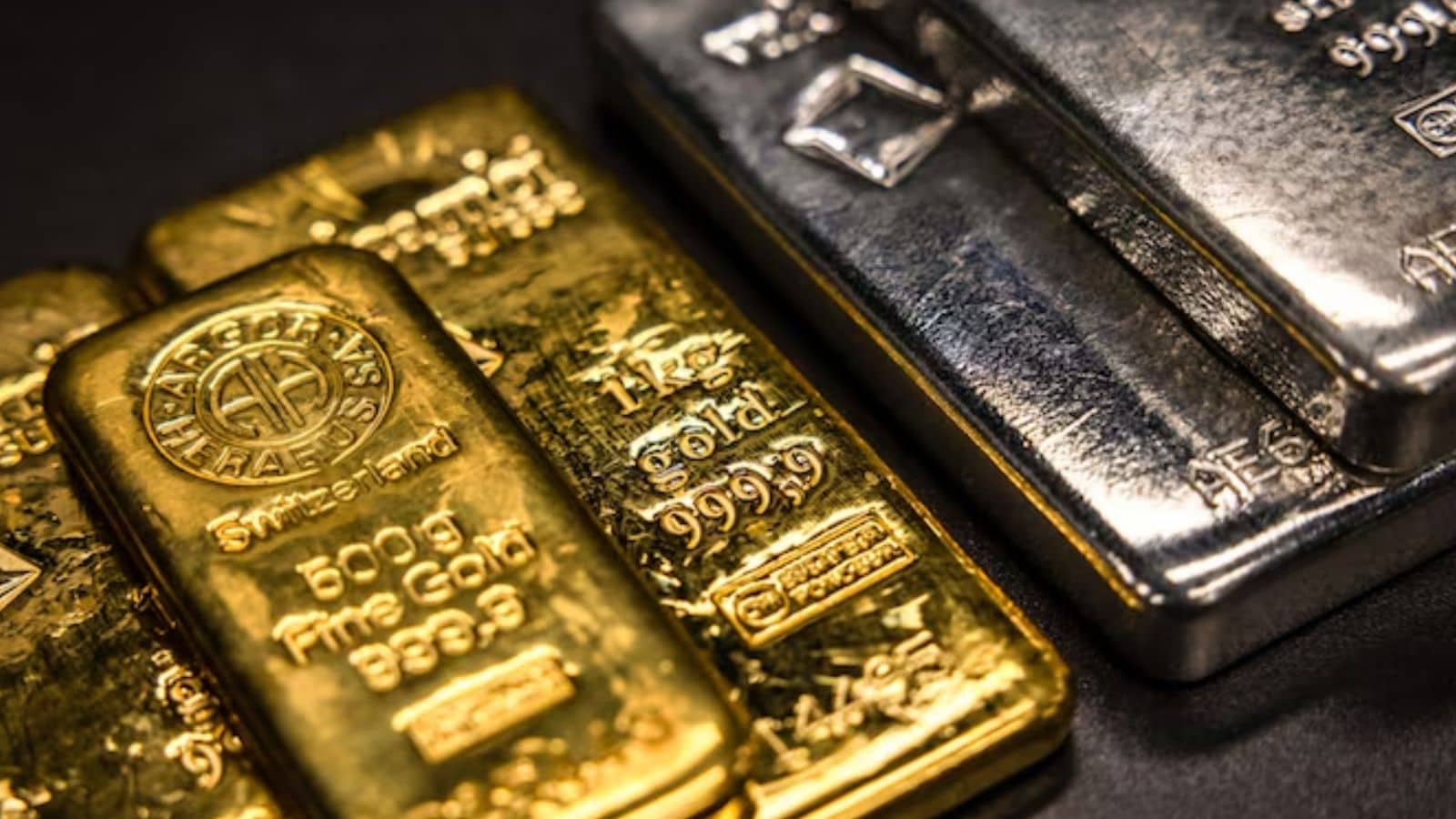
Amid the crash, posts stating about the sudden fall have caught widespread attention on social media. Several users claimed that over $3 trillion was wiped out from gold and silver markets within minutes and called it a move that was driven by “manipulation.”
One user wrote on X (formerly Twitter), “$3+ Trillion wiped out from Gold and Silver in minutes. This is the biggest liquidity swing in human history. This is complete MANIPULATION.” Commenting on the same, a person said, “Trillions vanishing like that seem
like a mark-to-market shock that screams leverage/liquidity plumbing stress. Not natural at all.” “Crazy how macro institutions are able to pull these things off and we just sit here for the ride,” someone else remarked.

An X account claimed that “gold and silver wiped out $5.9 TRILLION worth of market cap within 30 MINUTES.” “To put that in perspective, we just saw wealth equivalent to the combined GDP of the UK and France evaporate in less time than it takes to order pizza.
This doesn’t even feel real. A move of this magnitude, in such a compressed timeframe, is far beyond a standard “6-sigma” event. It’s off the charts historically,” the post further mentioned.
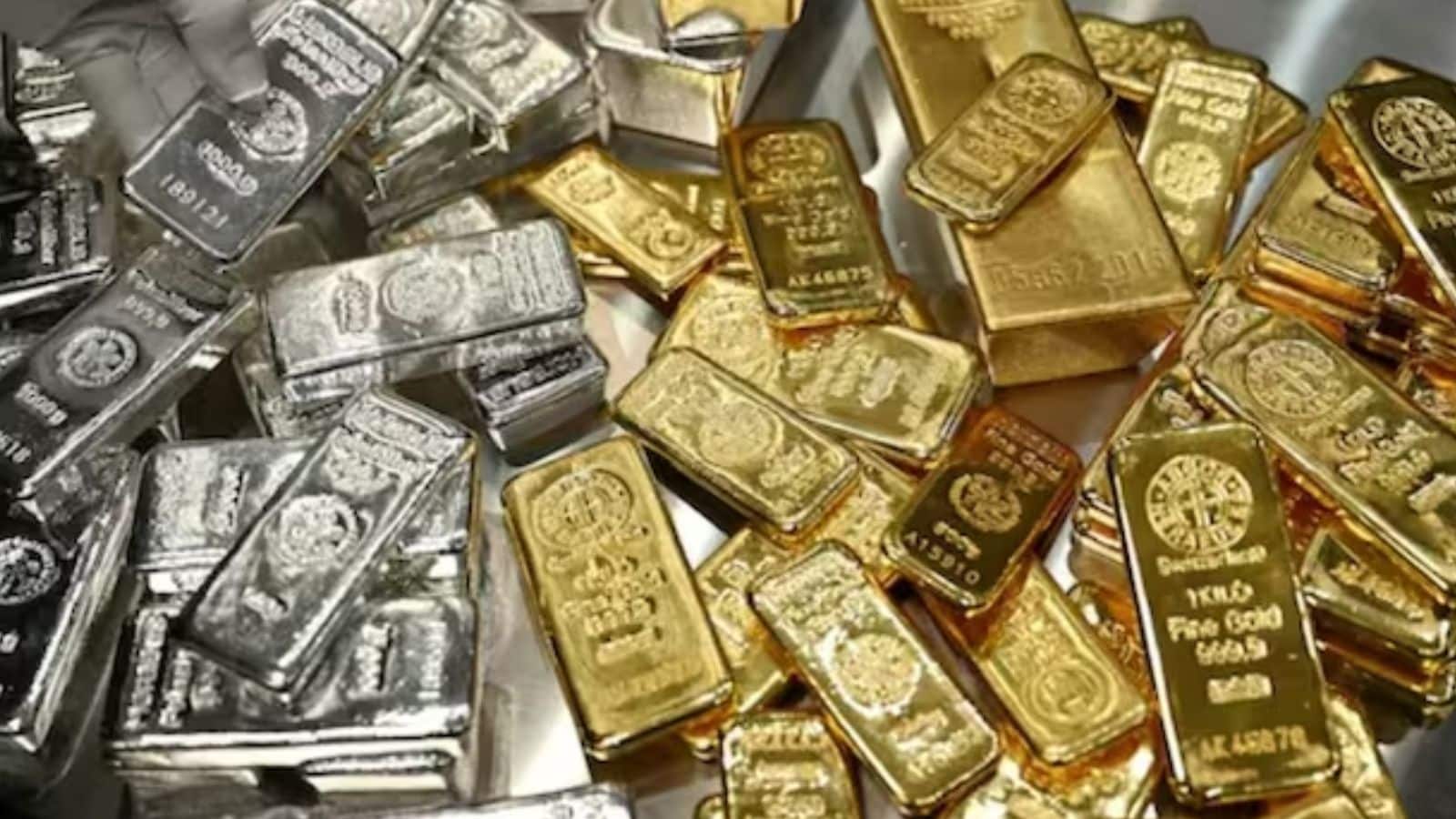
The Economic Times report, quoting analysts, mentioned that such sharp moves often follow speculative excess and heavy leverage. They noted that smaller precious metal markets like silver become vulnerable during market swings. There is no official confirmation
about the manipulation, but the sudden moves have raised questions about market stability and whether regulators are keeping a close watch.
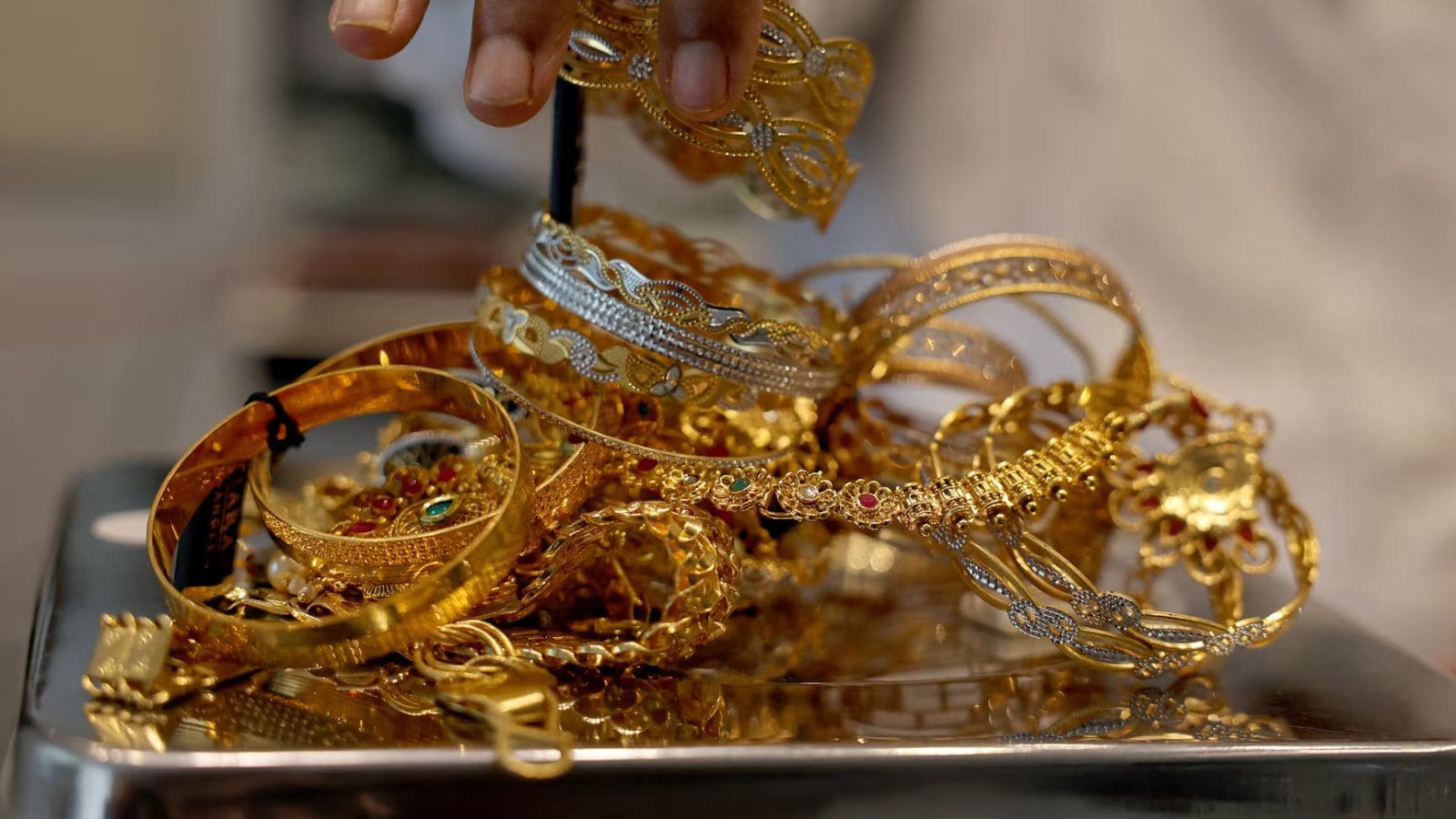
In between this, market analysts have shared their perspective. According to them, one major reason behind the fall in prices was aggressive profit-booking. Gold had touched record levels a day earlier with MCX prices nearing Rs 1,93,096 per 10 grams and global
spot prices hitting around $5,594 per ounce. Traders rushed to lock in gains led to a sudden sell-off. As a result, 24-carat gold dropped by nearly Rs 823 per gram in a single session.
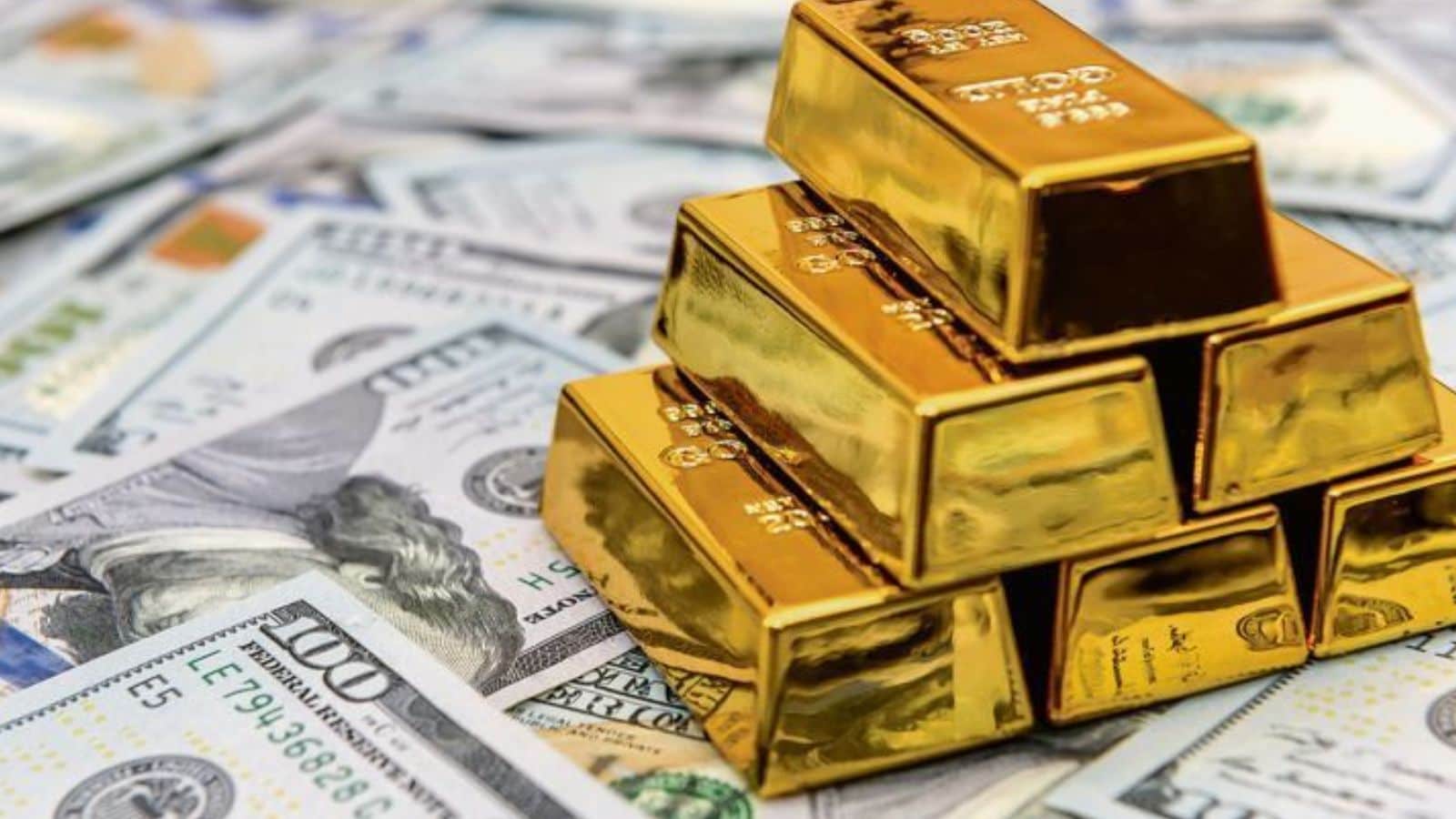
Another key factor could be the continuous strengthening of the US dollar. There is a speculation around US President Donald Trump’s potential pick for the next Federal Reserve chair which triggered hawkish fears. This pushed US Treasury yields higher and strengthened
the dollar which made gold less attractive since it is priced in dollars globally.
Technical indicators also played a role. Gold had become heavily overbought after rising nearly 20 to 30 per cent in January alone. The Relative Strength Index (RSI) crossed 90 which indicated exhaustion. This led many investors to sell and book profits. At
the same time, very high prices reduced buying interest in India. Many buyers stayed away as gold became unaffordable especially in cities like Bengaluru where 22-carat gold slipped to around Rs 1,56,400 per 10 grams. Lower physical demand amplified the correction.
Experts say the decline does not signal a larger crisis. This is seen as a healthy correction within a strong bull market. Gold has already delivered its best January performance since the 1980s and key support levels around Rs 1,65,000 per 10 grams remain
intact. Silver fell harder as it dropped nearly five per cent, while gold ETFs reportedly corrected by about 14 per cent before showing mild recovery. Despite the fall, both metals remain significantly higher on a monthly basis.
Looking ahead, analysts expect gold prices in India to remain strong in February. MCX gold which is currently trading near Rs 1,69,720 per 10 grams, is expected to climb up and could reach as high as Rs 2,21,599 by the end of the month. This suggests a potential
upside of nearly 26 to 30 per cent if bullish triggers play out. For everyday buyers especially in Mumbai and Bengaluru, this means 24-carat gold could trade between Rs 16,500 and Rs 20,000 per gram in early February, with prices possibly moving up to Rs 22,000-23,000
per gram by month-end.
Currency movement remains crucial. The rupee is trading near Rs 85.50 against the dollar, which pressures gold prices. But expectations of future US rate cuts could weaken the dollar and support gold as an inflation hedge. Domestic demand may also pick up with
the wedding season and preparations for Akshaya Tritiya. Jewellers often price gold 5 to 10 per cent higher than MCX rates during high-demand periods. Globally, central banks continue to buy large quantities of gold and trade tensions linked to tariffs will
likely provide long-term support. But risks are also involved. Analysts warned that if gold slips below the key support level of Rs 1,65,000 per 10 grams, prices could fall further and test the Rs 1,50,000 mark in the near term especially if global cues remain
unfavourable.