




Schools across the country have taken action to ban student cellphone use in recent years, with the hope of stopping bullying and improving America’s increasingly poor academic performance.
Now, new research examining the practice at over 40,000 U.S. schools between 2019-2026 shows there have been benefits – but maybe not as many as lawmakers had hoped.
While locking phones in pouches throughout the day helped kids cut back on phone time, test scores did not rise and there was “little evidence” that it helped with online bullying, attendance or attention in class, the paper, which has yet to be peer-reviewed, showed.
Within the first year of bans, suspension rates also increased by 16 percent and student well-being fell, the researchers wrote in the largest study of its kind.
However, over time, students saw their well-being rebound: reinforcing the idea that getting kids off phones may improve mental health. The researchers compared the improvement to a past study showing similar benefits from deactivating Facebook for four weeks.
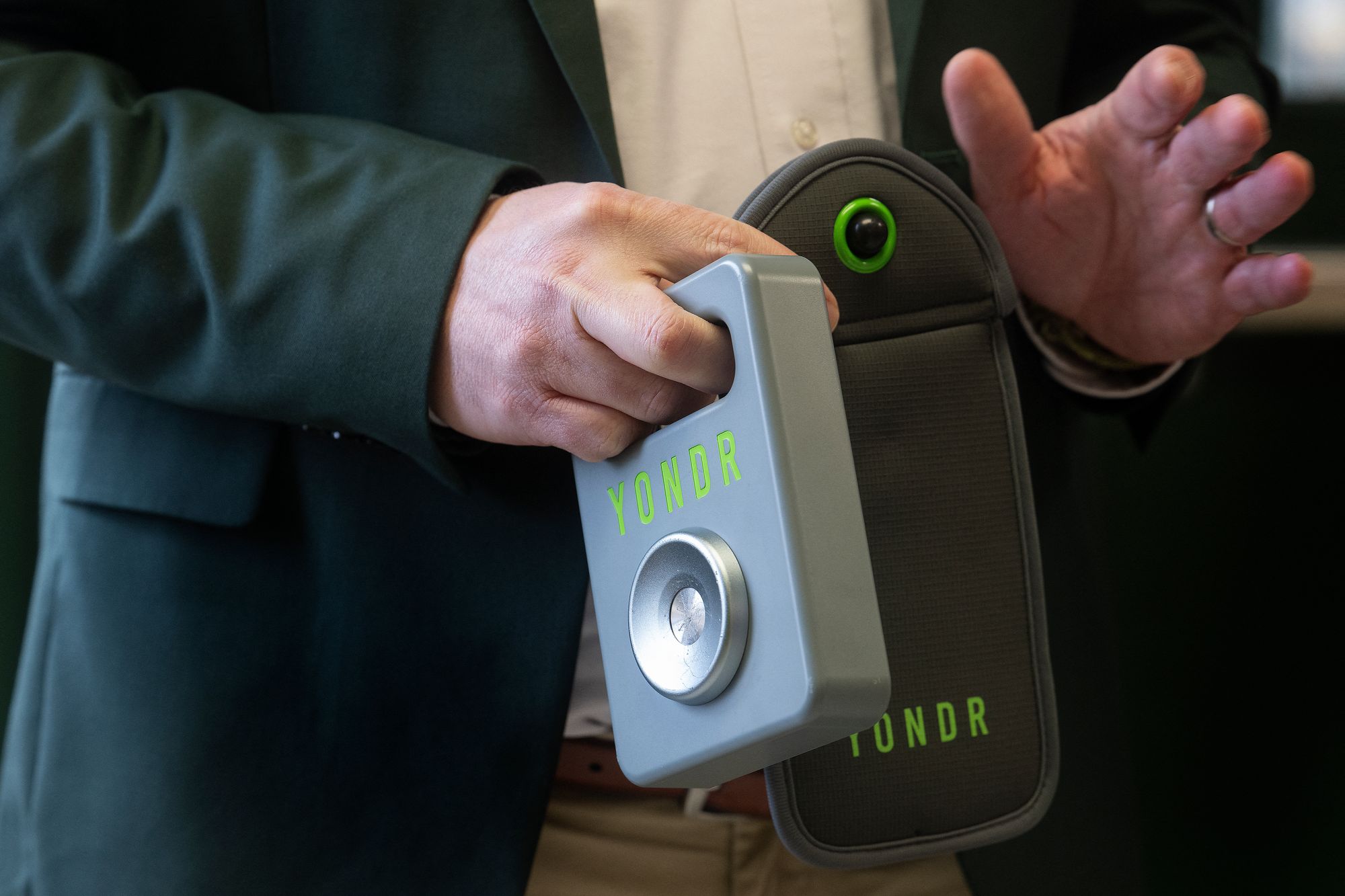
The schools used magnetic cellphone pouches made by the San Francisco-based company Yondr, which has provided pouches for some workplaces, too. The research relied on data collected by Yondr, test scores, discipline reports, GPS data and surveys from both students and their teachers.
Phones were put into the lockable pouches upon arrival at schools. Students could keep the pouches but were unable to unlock them at a magnetic port until the bell to go home rang or unless there was an emergency.
“At lunch you will see all these kids, they’re talking to one another,” Brice Beck, the deputy superintendent in Cape Girardeau, Missouri, told The New York Times. “It’s a lot louder, but the good kind of loud.”
The effects on the Yondr students were compared to schools which employed less stringent rules.

Ultimately, cellphone pings from school grounds fell by 30 percent in the first three years for students using the Yondr pouches, according to the GPS data.
And the percentage of students using their phones for nonacademic reasons plummeted from 61 percent to 13 percent.
“Together, these results indicate that Yondr adoption meaningfully reduces in-school phone use, even if enforcement may be imperfect and the exact magnitude of the reduction cannot be read directly from any single measure,” the researchers wrote.
The researchers said their findings complimented a 2025 paper that showed short-term suspensions and improvements to test scores and unexcused absence numbers after cellphone bans in Florida.
It also builds on previous research showing that teenagers with higher screen use for non-schoolwork things were more likely to have bad mental and physical health, which can negatively affect performance at school.
U.S. kids aged 8-18 spend an average of 7.5 hours a day watching or using screens, according to the American Academy of Child and Adolescent Psychiatry.
And they may get hundreds of disruptive notifications a day, about a quarter of which occur during school hours, a 2023 student survey by Common Sense Media found.
That’s part of why 90 percent of teachers said they supported a cellphone ban during teaching hours, according to a 2024 National Education Association poll.