




The global economy faces a “stark and steep recession” if the price of oil hits $150 due to the Iran war, the boss of BlackRock has warned.
Larry Fink, one of the co-founders of the asset management firm worth $14 trillion, warned that a drawn-out conflict would push energy prices up even further, hitting the lowest-paid the hardest and having “profound implications in the economy”.
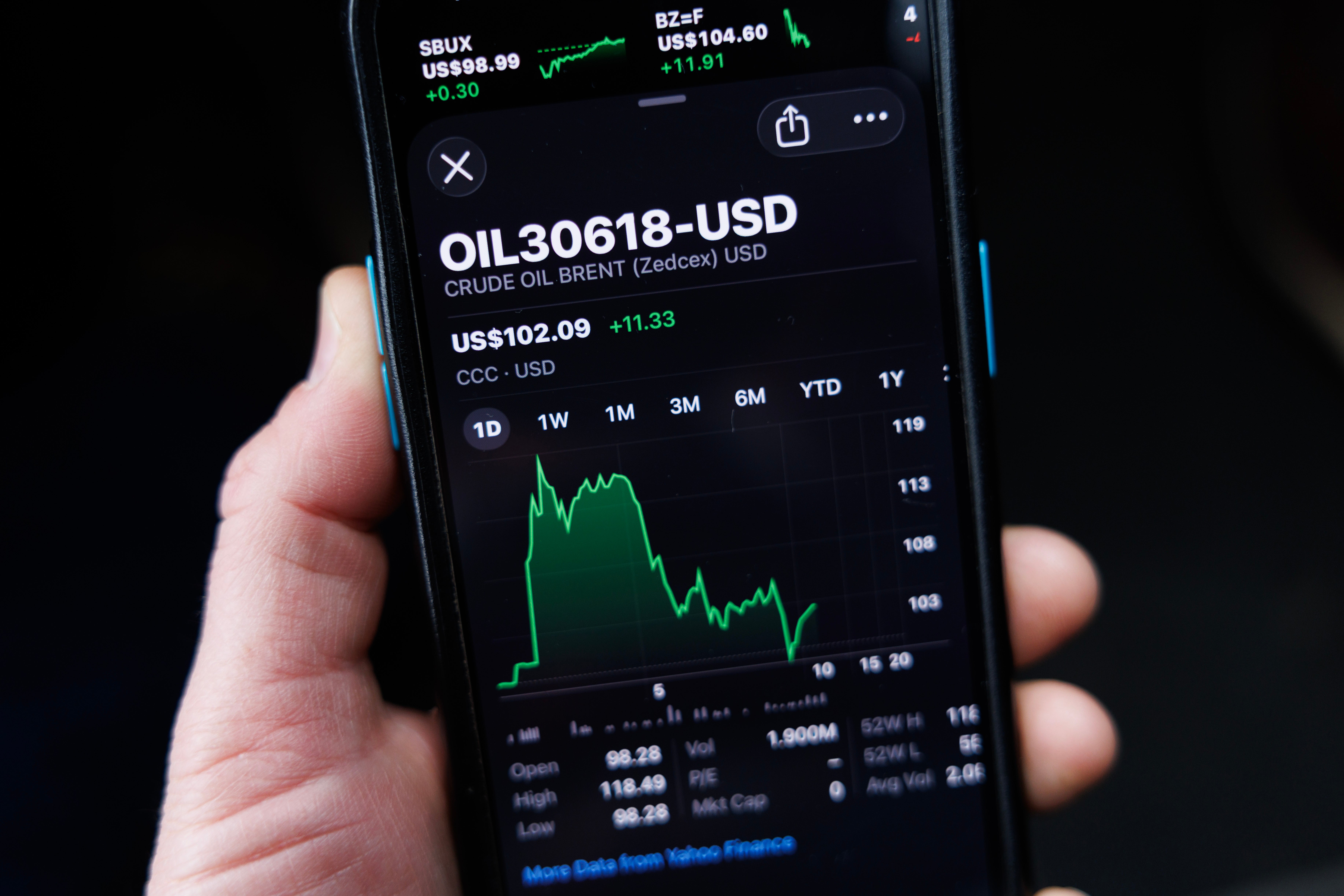
Iran has effectively closed off the Strait of Hormuz to oil tankers, which has sent prices spiralling – with the price breaching the $100 marker multiple times in the past few weeks.
Talks of a peace deal being struck between Iran and the US have brought that price down over the past two days, but Brent crude remained elevated at $94 on Wednesday. It is already expected that four weeks of higher prices will send UK energy bills spiralling in the summer and also push up fuel costs and food bills.
Mr Fink said the situation could yet get far worse if Iran “remains a threat” and oil prices remain elevated for the long term.
“Rising energy prices is a very regressive tax. It affects the poor more than the wealthy,” Mr Fink told the BBC. He added that Iran could force “years of [oil] above $100, closer to $150, which has profound implications in the economy”. That, he says, would lead to “a probably stark and steep recession”.
However, the BlackRock chief also said the reverse outcome was also a possibility. He said that oil prices could even head lower than they were before the war started – which was around $70 – if Iran were to be brought back into the fold of international relations.
Asked about whether talk of a global recession gave him the impression it could be similar to 2008 when the financial crisis hit, Mr Fink said: “I don’t see any similarities at all [to 2008]. Zero.”

Get a free fractional share worth up to £100.
Capital at risk.
Terms and conditions apply.
Go to website
ADVERTISEMENT
Get a free fractional share worth up to £100.
Capital at risk.
Terms and conditions apply.
Go to website
ADVERTISEMENT
The boss of energy giant Shell, Wael Sawan, told a major oil conference that Europe could face fuel shortages and rationing by next month if the situation continues in the current vein.
“South Asia was first to get that brunt. That’s moved to southeast Asia, northeast Asia and then more so into Europe as we get into April,” he said.
The head of the International Energy Agency, meanwhile, said that they were ready to release more emergency oil reserves if needed.
“If and when necessary, we are ready to move forward [with another reserves release], but I very much hope that it will not be necessary,” said Fatih Birol in Tokyo. “The world is facing a serious energy security threat, but the International Energy Agency is ready to play its core role of being a guardian of global energy security.”
The reliance on fossil fuels and the current price shock will continue to see “many countries moving so rapidly towards solar and maybe even wind” power, he added, while urging nations not to rely on a single source for their power. “Use what you have unquestionably, but also aggressively move towards alternative sources too.”
As part of a wider-ranging discussion, BlackRock’s Mr Fink further added he did “not believe we have a bubble at all” regarding artificial intelligence, but noted that individual firms could certainly fall by the wayside rather than the sector as a whole falling short of expectations.
“Could we have one or two failures in AI? Sure, that I’m fine with. I believe there’s a race for technology dominance. I believe that if we [the US] do not invest more, China wins. I believe it’s mandatory that we are aggressively building out our AI capabilities.”