




If you’ve ever flown, you know the sound: that soft “ding-dong” that fills the cabin just as you settle into your seat and peek out the tiny oval window. Sometimes it’s a single chime, other times a quick double. Occasionally, it’s followed by the captain’s announcement—sometimes, nothing at all. (Image: Canva)
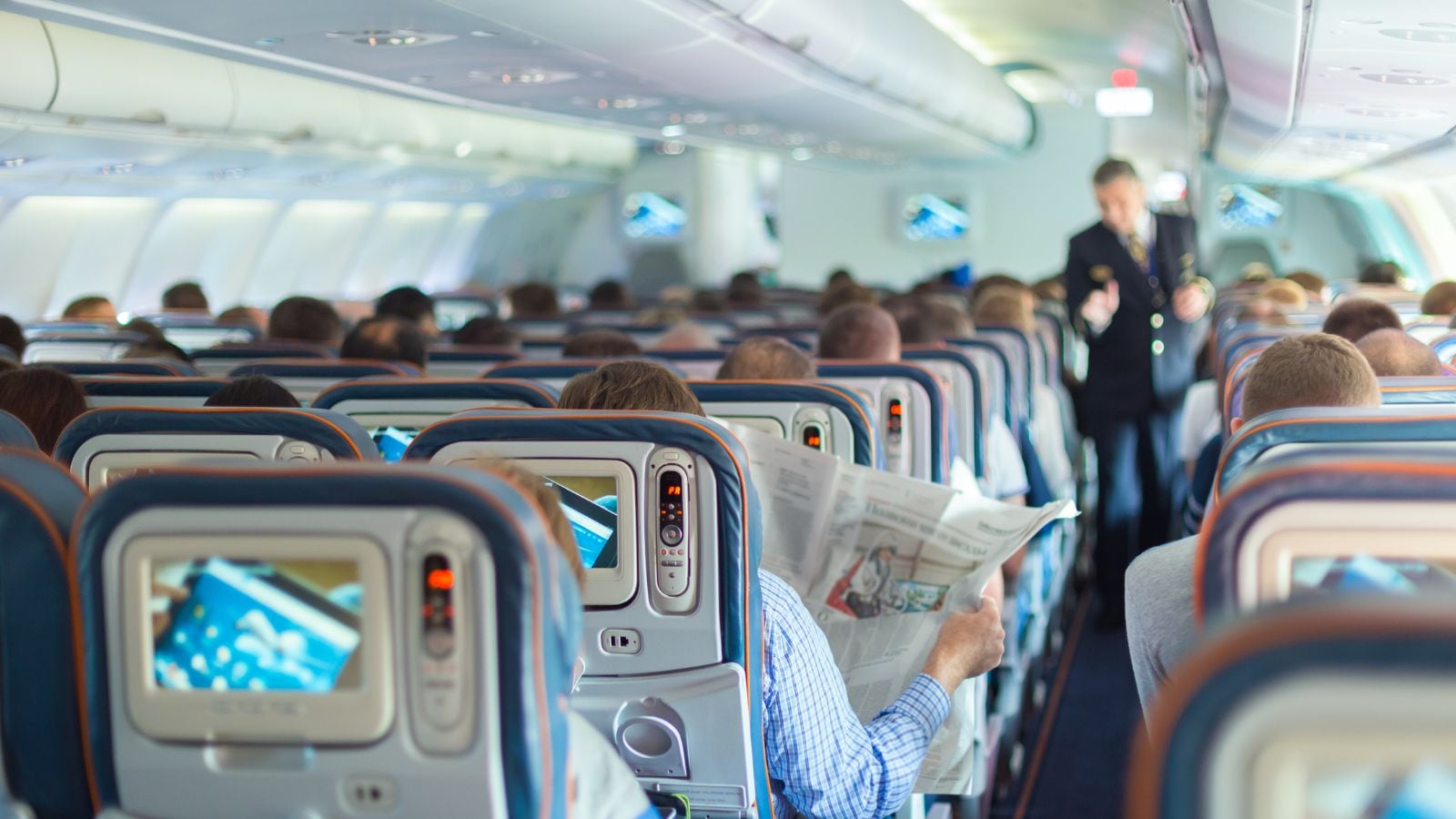
Frequent flyers may ignore it, but for first-timers or nervous passengers, it can spark curiosity—or anxiety. The reality? These subtle chimes are a secret communication system between the cockpit and cabin crew. While they might seem random, every tone has a clear purpose. Here’s what each in-flight chime really means. (Image: Canva)
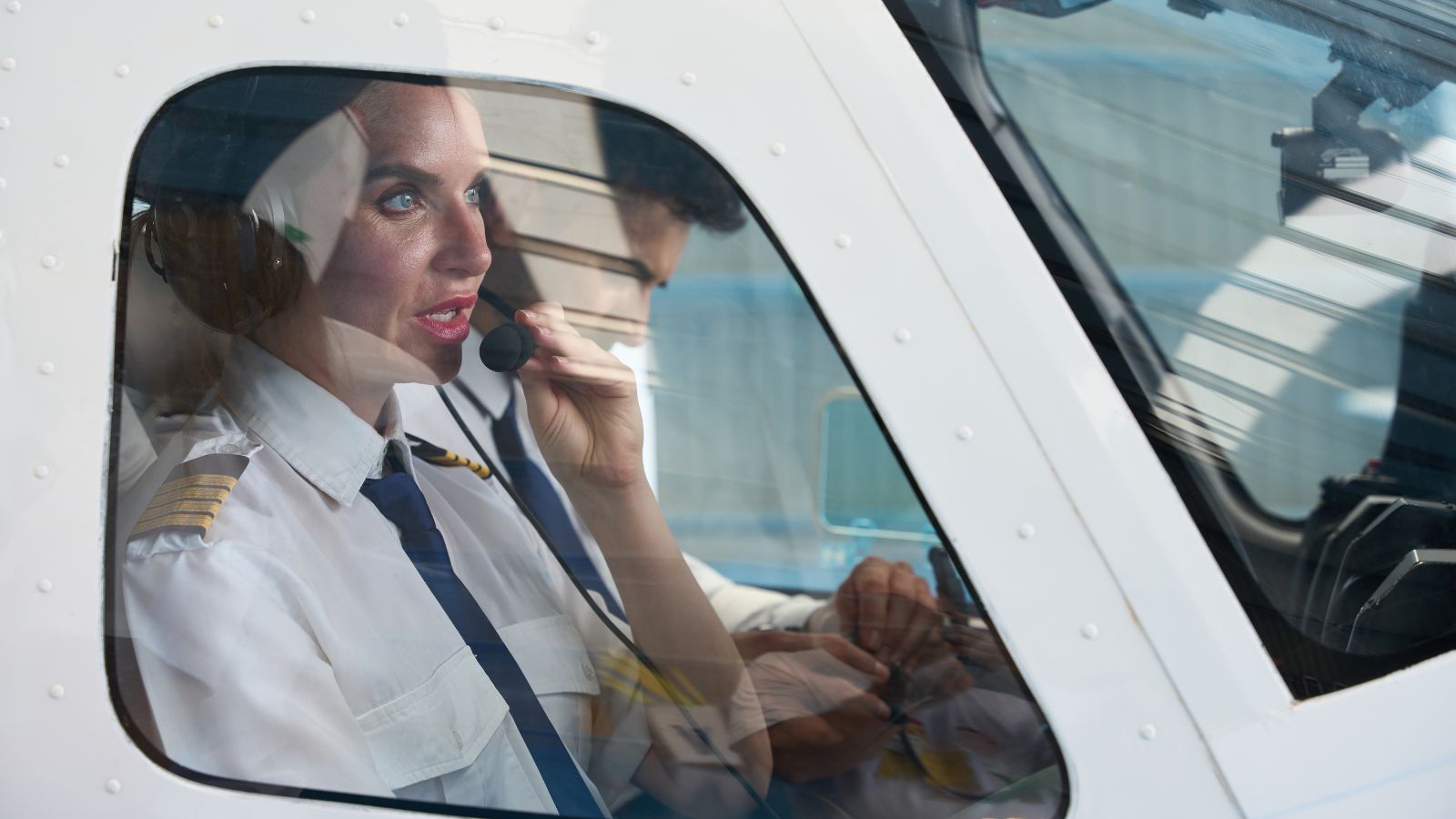
The sounds you hear on a flight aren’t meant to alarm passengers—they’re mainly for the cabin crew. These chimes allow pilots to quickly communicate updates, from seatbelt sign changes to service cues. In a busy, noisy cabin, they help crew stay coordinated across different sections of the plane. (Image: Canva)
What Does A Single ‘Ding’ Mean?
A single chime is the most common and usually the simplest signal onboard. It often signals the seatbelt sign turning on or off, such as before turbulence or descent. It can also indicate a passenger pressing the call button, alerting crew for assistance. Essentially, a single “ding” reflects routine cabin activity—completely normal and nothing to worry about. (Image: Canva)
What Does A Double Chime Mean?
The two-tone “ding-dong” chime carries a bit more significance, though it’s still entirely routine. Pilots use it to signal a change in the flight phase, acting as a subtle cue for the cabin crew. For example, after takeoff, when the plane climbs above 10,000 feet, the double chime often lets the crew know they can stand and begin service. During descent, the same tone signals that the aircraft has dropped below 10,000 feet, prompting crew to wrap up service and prepare the cabin for landing. In essence, it’s a backstage cue—a quiet, coordinated way for the crew to stay on schedule without interrupting passengers. (Image: Canva)
What Do Multiple Chime Mean?
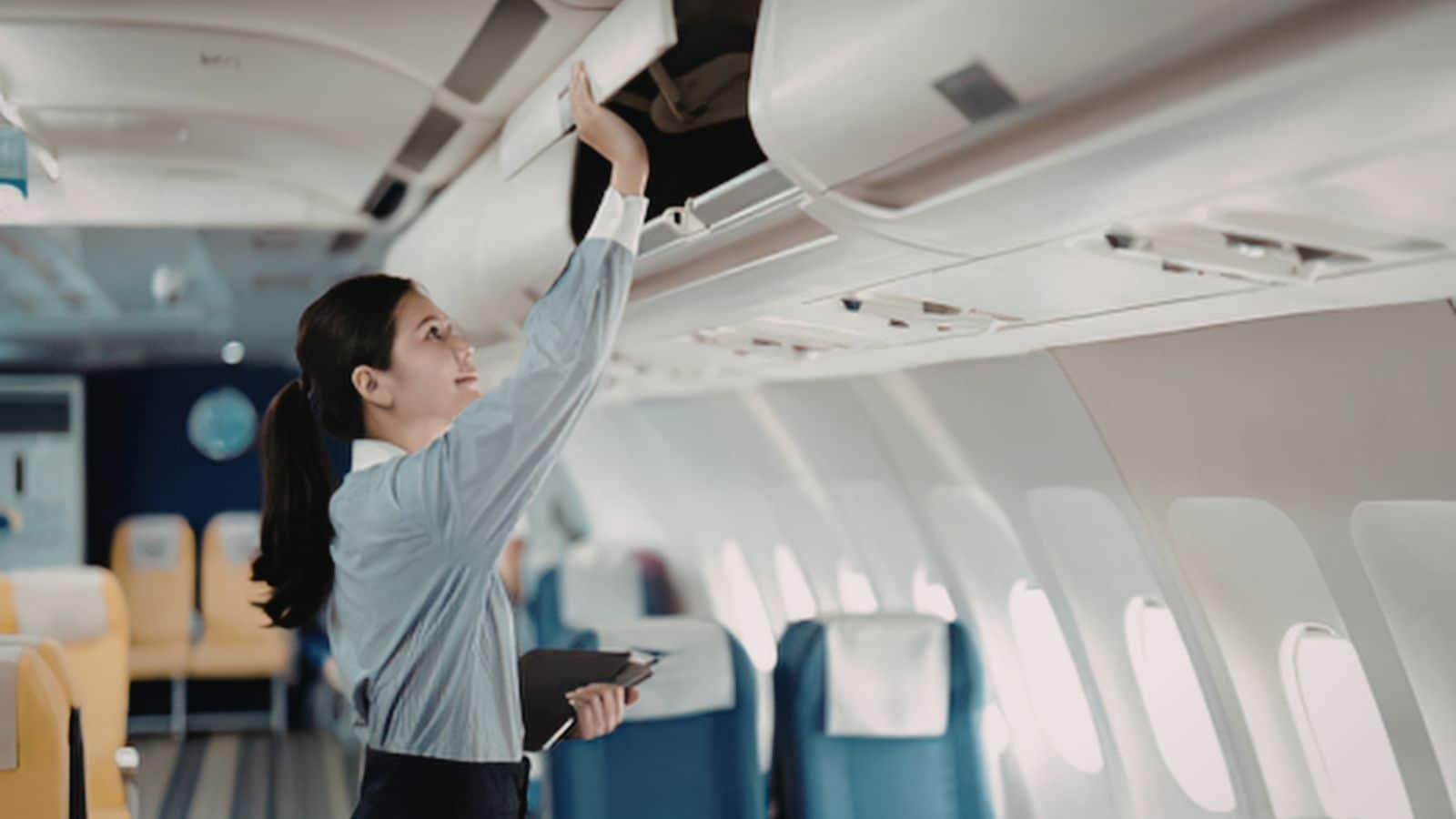
Hearing three chimes in a row is rare, but it does happen. In aviation, multiple tones usually indicate something that needs the crew’s immediate attention—like sudden turbulence or another urgent cabin matter. Passengers might catch these sounds, but they rarely signal an actual emergency. Each airline has its own system, and many of these alerts are purely internal, meant to keep the crew informed and coordinated behind the scenes. (Image: Canva)
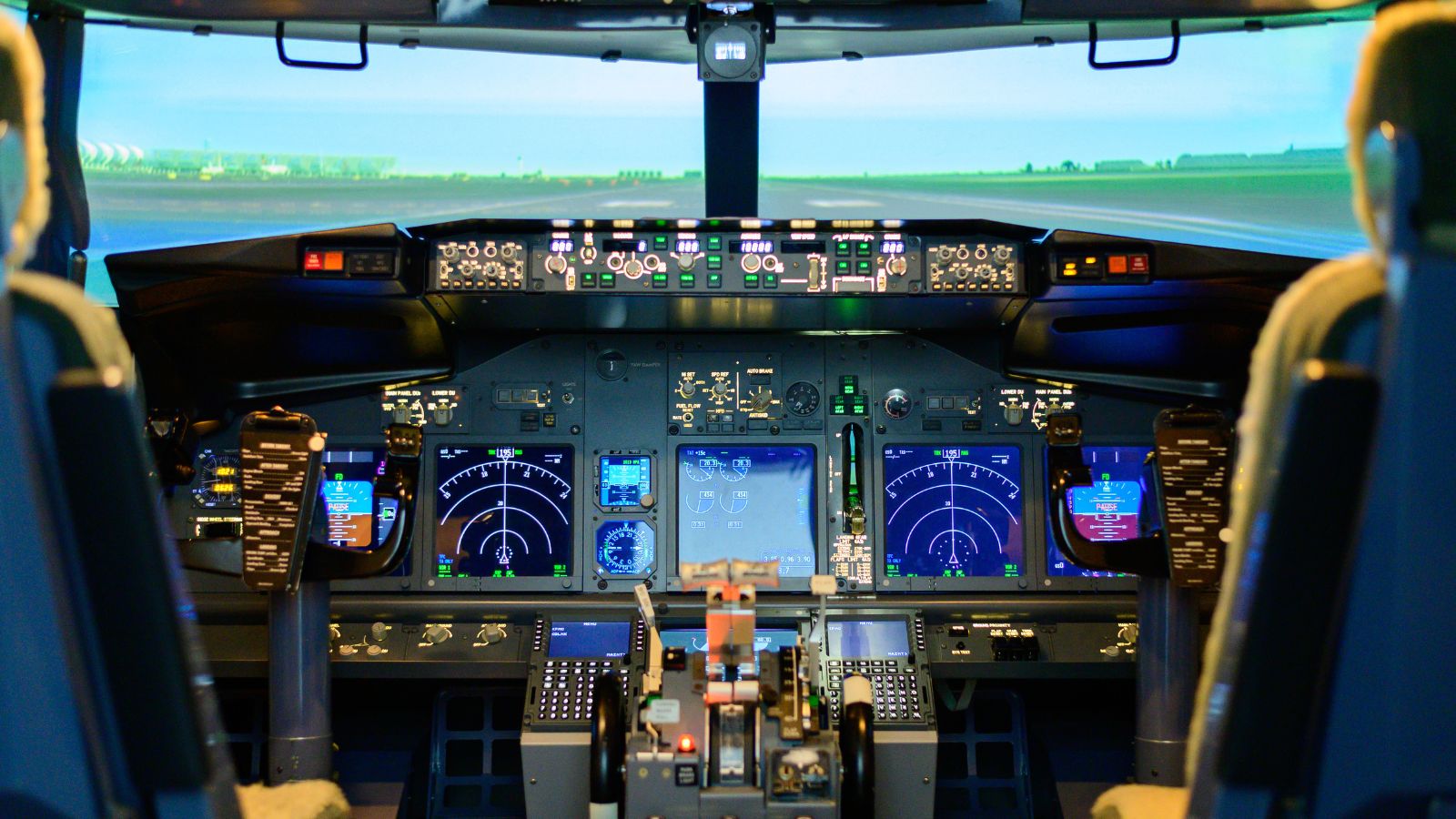
Most of the time, those chimes you hear are simply the cockpit and cabin crew communicating quietly to ensure a smooth, safe flight. So the next time you hear that soft tone at 35,000 feet, sit back and relax—it’s just the plane’s internal system doing its job. (Image: Canva)