




Artificial intelligence could revolutionise the detection of glaucoma, a common eye condition, while significantly reducing the number of unnecessary specialist referrals, a new study suggests.
Published in the Lancet Primary Care, the research from Portugal involved an AI tool analysing eye images from 671 individuals aged between 55 and 65. The technology demonstrated superior accuracy, correctly identifying 78 per cent of people with glaucoma, compared to 75 per cent detected by human doctors.
Furthermore, the AI proved more effective at ruling out the condition, accurately excluding 95 per cent of those without glaucoma, against 91 per cent by medical professionals. Crucially, the AI tool recommended just 66 individuals for specialist consultation, leading to 40 glaucoma diagnoses, a stark contrast to the 118 referrals made by eye doctors, which ultimately resulted in the same number of diagnoses.
This significant advancement suggests a future where AI could streamline diagnostic processes, ensuring earlier detection for patients and simultaneously alleviating pressure on specialist eye clinics.
1. Glaucoma is a group of eye diseases
“Glaucoma is a group of eye diseases that damage the nerve at the back of the eye called the optic nerve, and this is important because this nerve is responsible for transmitting visual information from the eye to the brain,” explains O’Donnell.
It’s most common in adults aged 50 and over and can cause vision loss if it’s not diagnosed and treated early, according to the NHS website.
“The most common type of glaucoma is primary open-angle glaucoma and that tends to develop really slowly, sometimes over a number of years, and initially affects your side vision and can often go undiagnosed for quite a long time if people aren’t having routine eye examinations,” says O’Donnell.
“Other types include angle-closure glaucoma, normal tension glaucoma and secondary glaucoma, and the latter can be caused or related to other eye conditions, health conditions or medication.”
2. Age and family history are significant risk factors for developing glaucoma
“Glaucoma is thought to affect about 3% of the population over the age of 40 in the UK [according to a study led by UCL and Moorfields researchers],” says O’Donnell. “If you’ve got a close relative with glaucoma, maybe a parent or a sibling, you might be entitled to a government-funded eye examination when when you are aged 40 and over.”
3. Glaucoma is often referred to as the ‘silent thief of sight’
“Glaucoma is sometimes called the ‘silent thief of sight’ because it’s often painless,” highlights O’Donnell. “At first it usually starts to affect the side vision – the peripheral vision – so we often don’t notice changes to [it] until the later stages of the disease when there has already been significant damage to the vision.”
4. Signs of angle-closure glaucoma tend to be more dramatic and severe
“Angle-closure glaucoma occurs when there is a sudden and dramatic increase in the pressure inside the eye and, with this particular type of glaucoma, patients can feel very unwell quite quickly,” says O’Donnell. “They might notice that their eye is red and painful, and in severe cases, it can lead to other symptoms, such as nausea and vomiting.”
5. Glaucoma is treatable
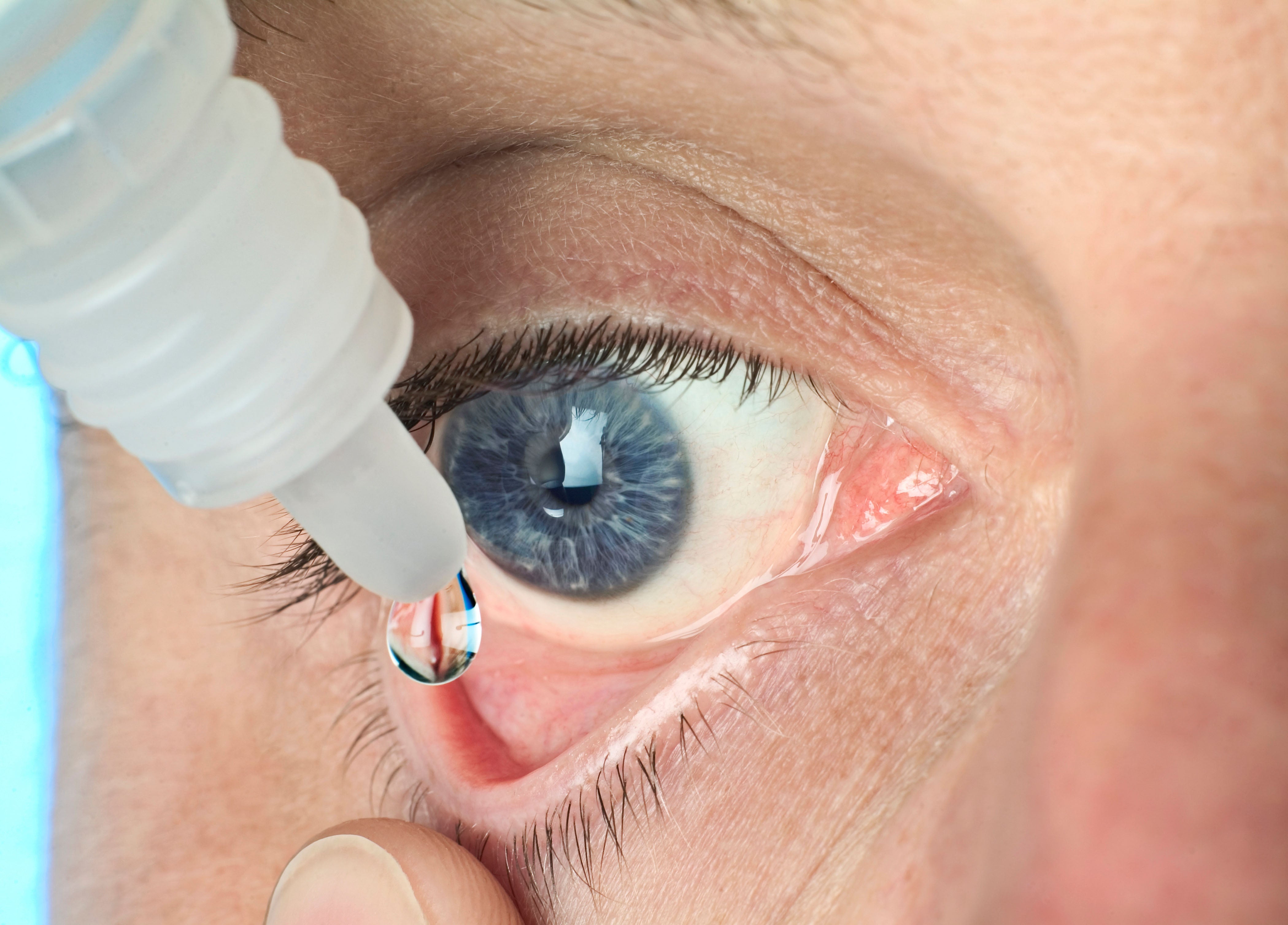
“When somebody is diagnosed with glaucoma, the primary aim of the treatment is to reduce the pressure inside the eye that damages the optic nerve,” explains O’Donnell.
This can be achieved in a number of different ways, including eye drops.
“In the past, eye drops were the main treatment offered to patients,” says O’Donnell.
Eye drops help to decrease the amount of fluid in the eye and help it drain, according to the NHS website.
“However, nowadays, there are other treatments that can be used in combination with drops or as standalone, such as laser therapy and surgery,” says O’Donnell.
“So, the great news is there are very effective treatments available that are minimally invasive, and a clinician will weigh up your particular circumstances and design a treatment plan that is best tailored to you. The most effective treatments, like other things, are delivered early in the disease process.”
6. Having routine eye tests can detect glaucoma early
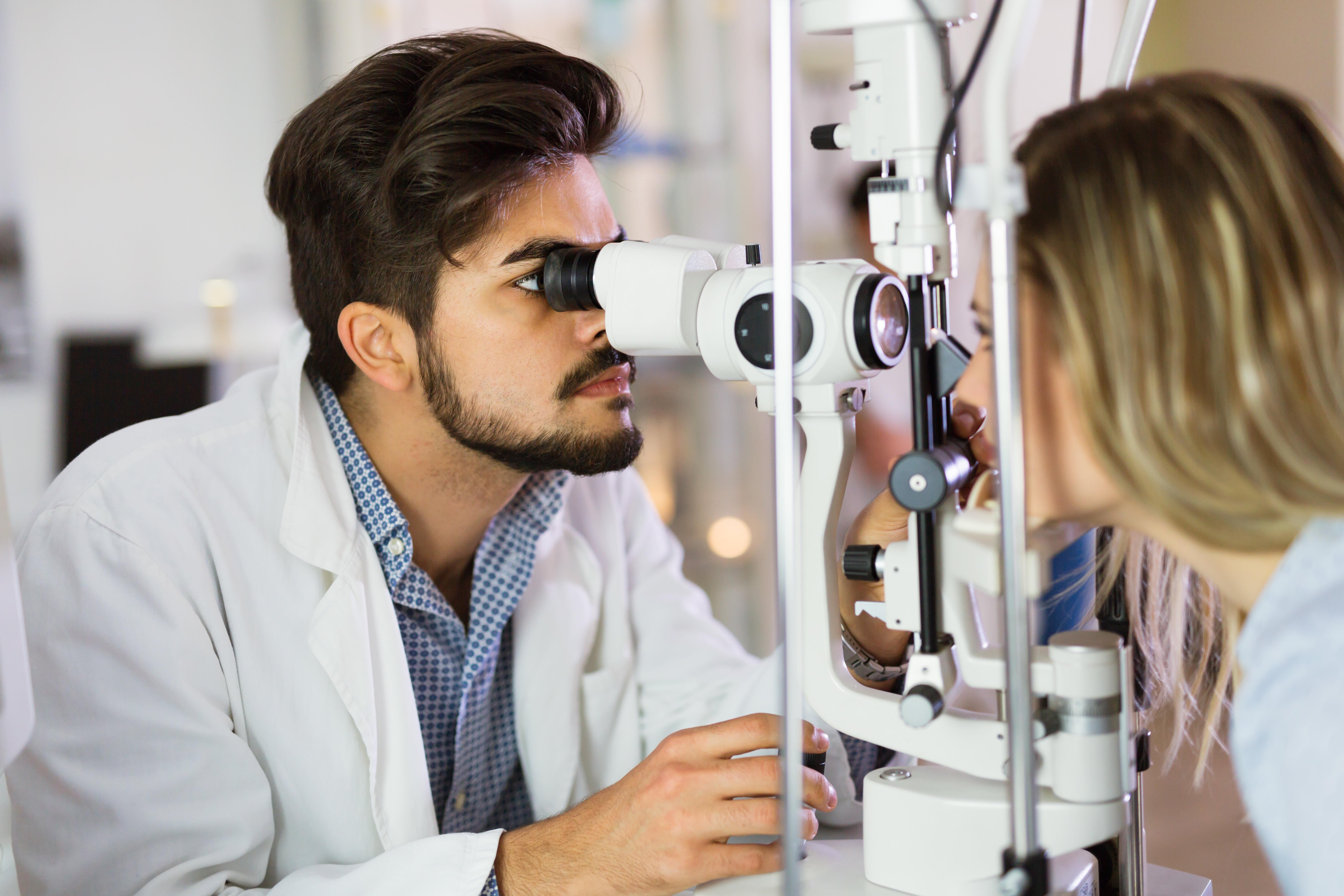
“In order to detect things like glaucoma, we need to proactively get our eyes examined routinely, because one of the things that the optometrist or the optician will do are some screening tests for glaucoma,” says O’Donnell.
“In the UK, we’re advised to have a routine eye check-up at least every two years, and your optician will advise you during your eye examination when your next eye test is due. If they feel that there’s something about your situation that warrants an earlier appointment, they will let you know.”