




This morning on the school run, my daughter Lola, 10, asked me “Is this World War Three?”, followed by, “Mum, what is Operation Epic Fury?” It wasn’t the best start to my day having to explain the ins and outs of President Trump’s war on Iran.
I had just double-parked in my car outside the local supermarket to buy a baguette for their school lunch – and my heart totally sank. Then Lola said: “Mum, why can’t they just meet up and talk? Then we could swim in the sea.”
The look on her face was a picture of sadness and worry. Admittedly, it turned out she was more concerned about whether we’d still get to Greece for our summer holiday, rather than anything more alarming, but the fear on her face about what was happening was real.
Some of her friends at school who were heading to Dubai and Turkey over Easter have had to rethink their plans as flights are cancelled or redirected due to dangerous airspace – or drone attacks. Then Liberty, my seven year old, piped up with the big one: “Mum, are we all going to die?”
I felt utter panic. They both looked so innocent, and it felt unfair that their innocence was now in jeopardy thanks to a bunch of men blowing up the world. I’m not trying to minimise the reality for children actually caught up in the bombings – those who have lost their lives or been orphaned after relentless attacks. The pain and suffering they are enduring is unimaginable. According to UNICEF, more than one in six children globally now live in areas affected by conflict – and are deeply traumatised as a result.
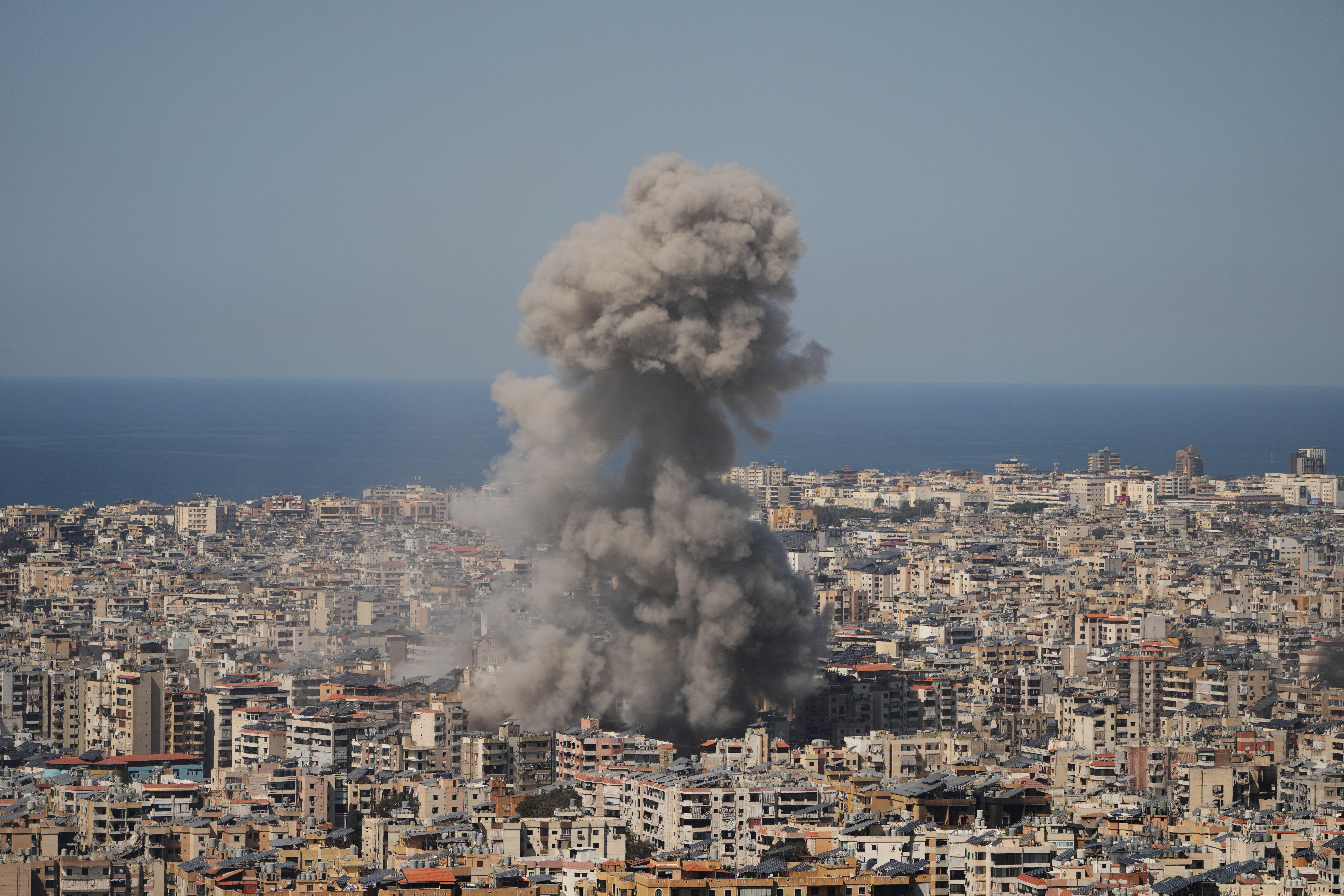
But even when the war is not on your doorstep, it has an impact. The constant barrage of disturbing headlines and images of US and Israel missiles attacking Iran – and Tehran retaliating by firing missiles at Israeli targets and US assets – makes the growing crisis feel all-consuming for adults, never mind young children.
Even when you try to shield children from the relentless bad news, they pick up on what is going on and start to believe they are in immediate danger, even though the war is happening miles away. Teens see posts on social media and many are terrified about how it’s all going to end. Older teens are already talking about being ‘called up’ like their grandparents were in World War Two. So what do you say when your children ask you, “Is this World War Three?”
“When children hear frightening news like talk of ‘World War Three’, they often fill in the gaps with their imagination, which can make things feel even more alarming,” says Dr Amanda Gummer, a top child psychologist, and the founder of the Good Play Guide, who advises limiting exposure to rolling news and keeping routines, family time and play consistent, which can help things feel secure when world events seem uncertain.
“The most helpful approach is to stay calm, and ask what they’ve already heard,” she says. “Then give them simple, honest reassurance that many adults around the world are working hard to prevent conflict and keep people safe.”
The Iran war is a conversation I’ve been having a lot with my children – because it feels very close for them. Dubai is a holiday destination the kids and I used to visit every Christmas with my late dad; Lola remembers visiting Dubai’s Burj al-Arab tower, the iconic hotel in Dubai, which caught fire after being hit by a shot-down Iranian drone. Meanwhile, their godmother is currently stranded in India waiting for a redirected return flight to avoid dangerous airspace.
Liberty’s best friend at school is Iranian, whose extended family are in Tehran. Her mum, who I see at the school gates, can’t sleep and is watching the news endlessly, which isn’t good for her mental health, or her daughter’s.

Propaganda machines are also in full swing, with Team US blurring real war footage with a scene from video game Grand Theft Auto: San Andreas, while Team Iran have joined the content war by depicting real-life events via the medium of Lego.
When children hear frightening news like talk of World War Three, they often fill in the gaps with their imagination
Dr Amanda Gummer
Alyssa Campbell, author of Tiny Humans, Big Emotions, says that when a child asks, “Is this World War Three?”, they’re usually not asking for a geopolitical explanation. “They’re really asking, ‘Am I safe?’,” she says. “But ignoring their questions can actually increase anxiety,” she adds. “Children tend to fill in the blanks themselves, and what they imagine is often scarier than the truth.”
Ultimately, she says, what children need most during uncertain times is a calm adult presence that communicates – and lets them know that if questions or worries come up later, they can always come back and talk about them.
Dr Joanna Fortune, psychotherapist and author of 15-Minute Parenting, suggests protecting children under the age of seven years old from news events such as the Iran war, or any similar tragic event as much as is possible.
“Try to avoid exposure to the news on TV or radio,” she says. For older children, she suggests frank conversations by gleaning what they may or may not already know, and keeping the channels of communication open.
“Children are visual learners, so when they are exposed to violent or scary imagery it resonates deeply with them, and they can hold onto that fear long after the image has been removed,” she tells me.
“Then, in a bid to better understand what the story of that image was, they may well personalise it by imagining this happening to them, in their area and to people they love and care about.”
This is an attempt “to better understand such complex imagery and messaging”, she says – but it “is also deeply distressing” too.
“It can cause a regression in behaviour,” she says, “such as they suddenly behave as they did when they were younger or cannot seem to do tasks independently that they previously could do. You may observe sleep disruption, clingy behaviour or lashing out at you/a sibling as a means of releasing tension.”
If your child has access to their own smart-enabled device, Dr Fortune says it’s wise to presume they have seen or heard something and ensure that you proactively support them in processing it.
Save the Children’s Global Head of Child Protection, Rebecca Smith, tells me that when children hear about conflict or war, it’s natural for them to feel confused, worried or scared.
“One of the most important things caregivers can do is make time to listen,” she tells me. “Give children space to share what they’ve heard, how they feel, and ask questions. Reassure them while being honest and gently correct any misinformation in a way that is appropriate for their age.”
But while it’s important to validate a child’s feelings, sometimes all that’s needed is a big hug.
“Children are also much more body-orientated than adults, so reassurance isn’t just about explaining things with words,” says Alexander Gray, a child, adolescent, adult and family psychotherapist, who points out that children often hear the emotional tone of the news before they understand the facts.
“Feeling physically safe through closeness, a hug, or a calm soothing voice can be just as important.”