




Artificial intelligence (AI) can detect early indicators of heart disease during routine breast cancer screenings, researchers have revealed.
Experts utilised AI to identify calcification in breast arteries, a substance known to increase the risk of heart attack, stroke, and early death.
This integration of AI into existing screening programmes holds the potential to uncover undiagnosed heart conditions in thousands of women, according to the largest study of its type.
Dr Hari Trivedi, from Emory University in Atlanta in the US, who led the team for the study, commented: “Heart disease is the leading cause of death in women worldwide, yet women are consistently underdiagnosed and undertreated compared to men.
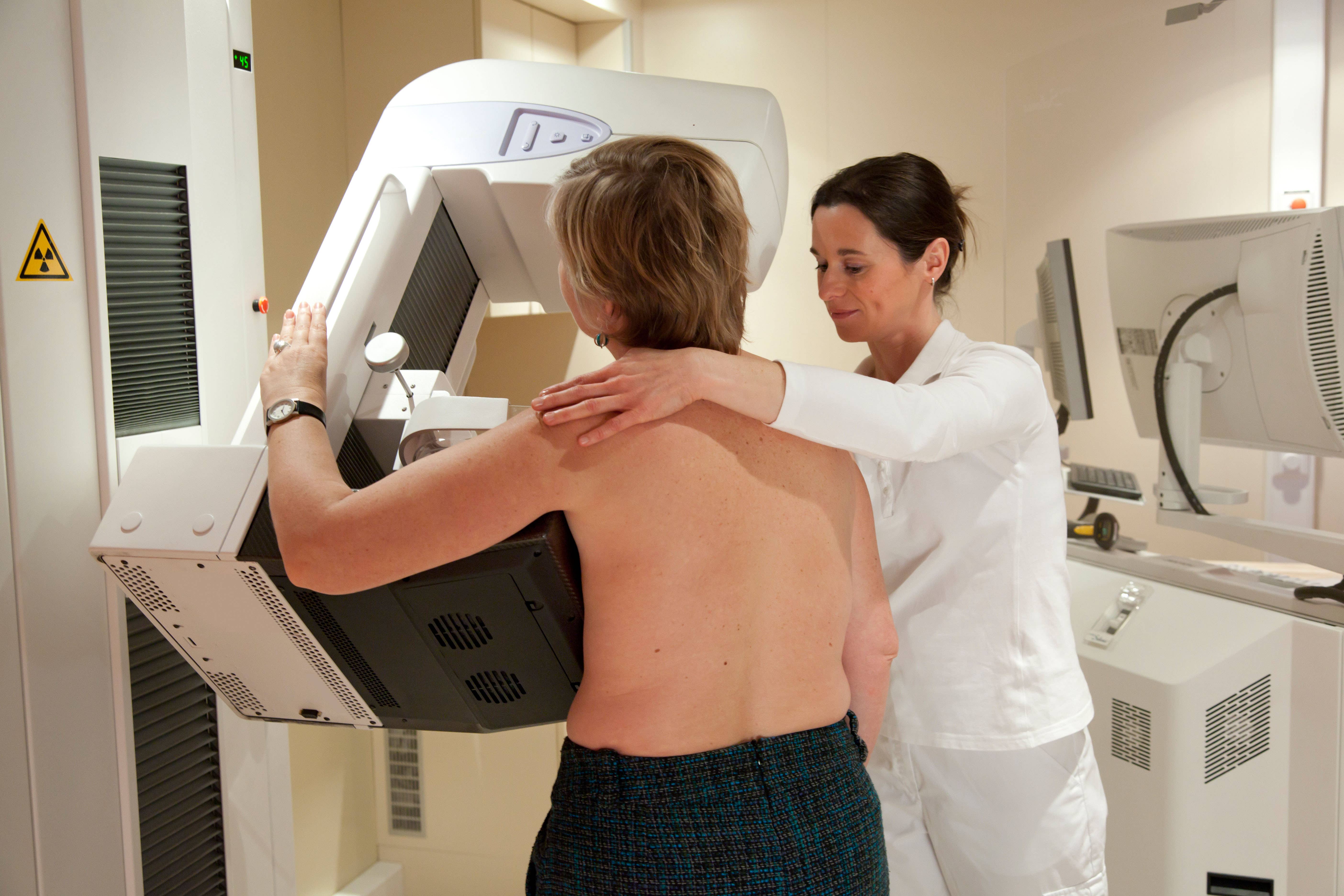
“Mammograms, which women already attend for breast cancer screening, can also reveal calcium deposits in breast arteries and this is linked to heart disease.
“We wanted to test whether AI could use this to identify women at risk of cardiovascular disease at no extra cost or inconvenience.”
The study, published in the European Heart Journal (EHJ), included 123,762 women who had taken part in breast screening but had no known heart disease.
AI was used to look for calcium deposits in the arteries of breast tissue, which is known to harden arteries and can increase the risk of heart attack and stroke.
Researchers noted whether the calcification was severe, moderate, mild or absent and compared this with data on whether women went on to suffer serious heart disease, including stroke, heart attack or early death.
Women with mild calcification were around 30 per cent more likely to suffer serious heart disease compared to those without, the study found.
Meanwhile, in those with moderate calcification, the risk was more than 70 per cent higher, and in women with severe calcification the risk was two to three times higher.
Dr Trivedi said: “We found that the more calcium visible in the breast arteries on a mammogram, the higher a woman’s risk of a serious heart event such as a heart attack, stroke or heart failure.
“This was true even in younger women under 50 – a group often considered low risk – and held up after accounting for other risk factors like diabetes and smoking.
“For women, this means a mammogram you’re already having could also provide important information about your heart health – prompting a conversation with your doctor about preventive steps such as cholesterol testing or medication.
“For clinicians, it offers a practical way to identify women at cardiovascular risk who are currently being missed.
“Policymakers could consider integrating this into existing mammography programmes, potentially reaching tens of millions of women annually without any additional infrastructure.”
Dr Sonya Babu-Narayan, the British Heart Foundation’s clinical director and a consultant cardiologist, said: “Heart disease is the world’s biggest killer of not only men, but also women.
“For many years, the BHF have been highlighting that women are disproportionally unaware, unheard, underdiagnosed, and undertreated, when it comes to the heart.
“The stark reality is that as a woman, there is a chance that you might end up disadvantaged throughout your heart care journey.
“It’s encouraging to see that using AI to leverage large-scale data from breast cancer screening could help identify women at risk of future cardiovascular disease.
“It is exciting to think that if this approach is further proven, it could lead to better and earlier cardiovascular disease prevention because the screening programme doesn’t just find breast cancer early, but it might also help flag those with the highest cardiovascular risk.
“As AI continues to emerge as a powerful force in cardiovascular science, it may provide an important opportunity to improve the chance of preventing heart attack, stroke and heart failure in women.”