




Success stories often begin with setbacks, but for Kalpana Saroj, hardship started long before adulthood. While most children her age were still in school, she was already navigating the harsh realities of life. Born into poverty and social discrimination, her early years were far from easy. Her journey began in a small village in Maharashtra where opportunities were limited. What followed would test her resilience in unimaginable ways. Yet those struggles eventually shaped one of India’s most remarkable entrepreneurial journeys.

Kalpana Saroj was born in 1961 into a Dalit family that faced both economic hardship and social prejudice. Her father worked as a police constable, earning a modest salary that barely supported the family. Growing up, she saw firsthand how limited opportunities were for people in her community. Education was difficult to pursue and social barriers were constant. For girls especially, expectations were extremely narrow. Life seemed to follow a path already decided by tradition.

At just twelve years old, Kalpana’s life took a dramatic turn. Following societal customs of the time, her family arranged her marriage. She was sent away from her village to live with her husband’s family in Mumbai. Instead of a new beginning, however, she entered a difficult and painful environment. What awaited her there was far from the dream of married life many young girls are promised. Her childhood abruptly ended in a household filled with hardship.

Kalpana later recalled that her married life quickly became unbearable. She faced constant emotional and physical abuse from her husband’s family. Isolated from her parents and still a teenager, she struggled to cope with the harsh treatment. The environment left her feeling trapped and helpless. Eventually, when she was sixteen, her father brought her back home. But returning to her village did not bring the peace she hoped for.

In conservative rural communities at the time, a girl returning from her husband’s house carried heavy stigma. Instead of receiving sympathy, Kalpana faced criticism and humiliation from those around her. People whispered about her situation and treated her as though she had failed. The judgement weighed heavily on the young girl. She felt that society had already decided her fate. At just sixteen, the burden of shame and despair pushed her toward a dark moment in her life.
Overwhelmed by hopelessness, Kalpana attempted to end her life by consuming poison. Miraculously, she survived the ordeal. That moment later became a turning point that reshaped her thinking about life. As she recovered, she realised that surviving meant she had another chance. She decided she would not allow society to define her future. With that determination, she resolved to leave her village behind and start over.

Kalpana moved to Mumbai to live with relatives, hoping to rebuild her life from scratch. The city was unfamiliar and overwhelming, especially for someone with little education or financial support. Her first job was in a garment factory where she stitched clothes for long hours. The salary was small, but it offered her something important – independence. Slowly she began saving whatever money she could. Those small savings marked the beginning of her journey toward self-reliance.

After working for some time, Kalpana realised that a regular job would never dramatically change her circumstances. She decided to explore entrepreneurship despite having limited resources. Through a government scheme meant to support people from disadvantaged backgrounds, she secured a small loan. With that money, she started a modest furniture business. The early days were full of challenges and uncertainty. But her determination kept her moving forward.

A major turning point came when she became involved with the struggling industrial company Kamani Tubes. The factory had been shut down and was buried under legal and financial troubles. Workers who had lost their livelihoods were searching for someone who could revive it. Kalpana studied the situation carefully and eventually took on the daunting challenge. Through persistence, negotiations and restructuring, she helped bring the company back to life. The revival established her reputation as a fearless entrepreneur.

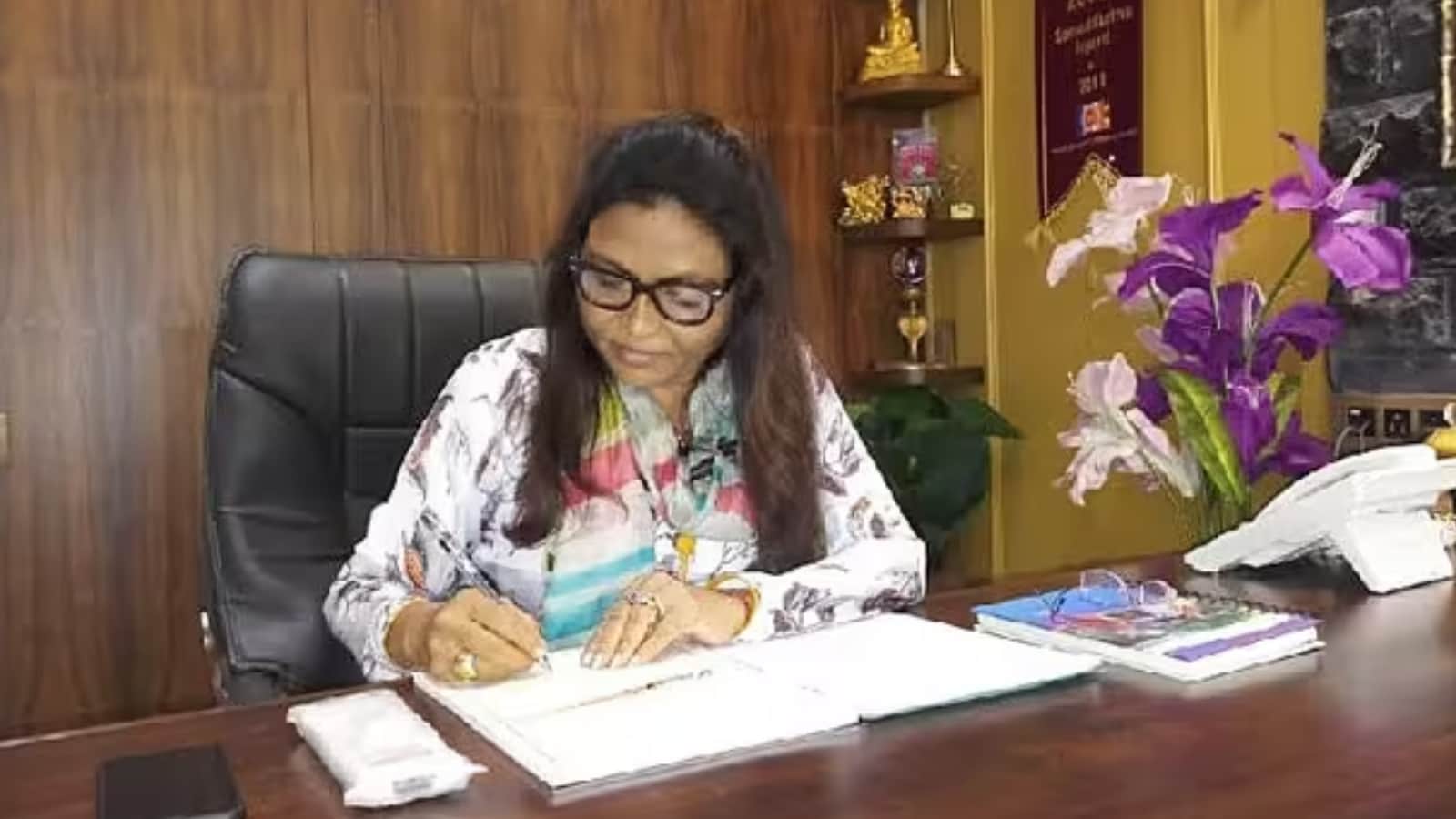
Over the years, Kalpana Saroj expanded her ventures into sectors like manufacturing, real estate and steel. Her business group gradually grew into an enterprise valued at more than Rs 100 crore. In recognition of her achievements and social contributions, she received the Padma Shri in 2013. Today she is widely regarded as one of India’s most inspiring self-made entrepreneurs. Her story proves that resilience can overcome even the harshest circumstances. From a child bride facing despair to a successful business leader, Kalpana Saroj rewrote her destiny.