




The Pamir Mountains, famously called Bam-i-Duniya or the “Roof of the World,” are one of the highest and most breathtaking plateaus on Earth. Nestled mainly in eastern Tajikistan and stretching into Afghanistan, China’s Xinjiang, and Kyrgyzstan, these mountains sit at the crossroads of Asia’s greatest ranges. (Image: x)
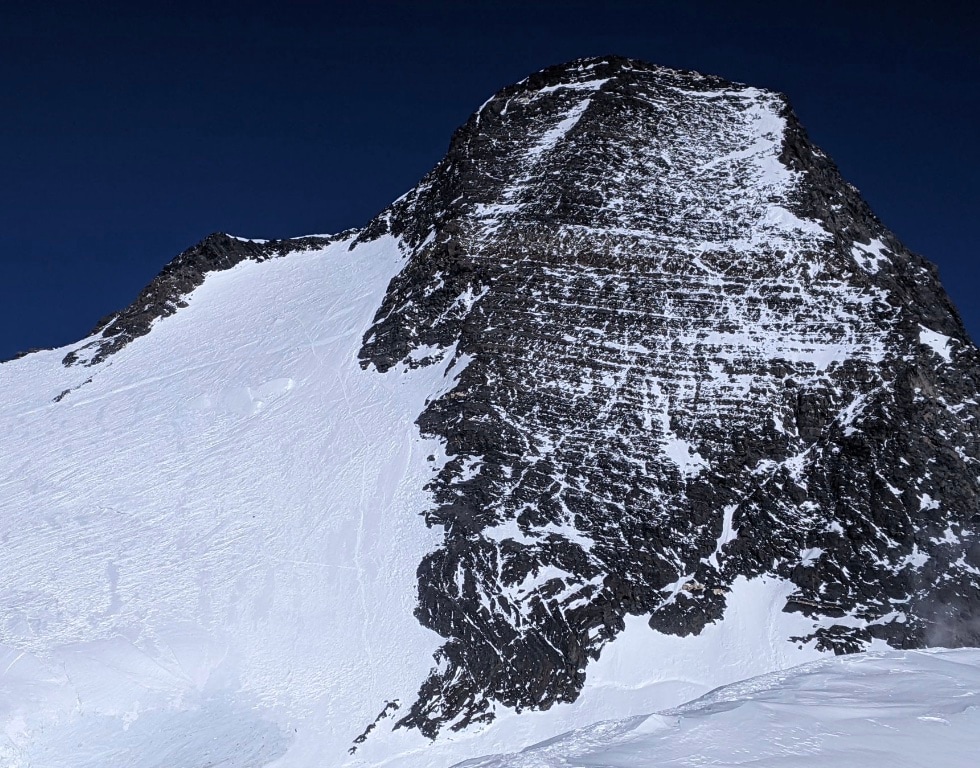
With towering peaks like Ismoil Somoni Peak (7,495 m), Independence Peak, and Kaufman Peak, the region captivates with glacial valleys, turquoise lakes, and endless high-altitude plains—a natural wonder that has inspired explorers for centuries. (Image: x)
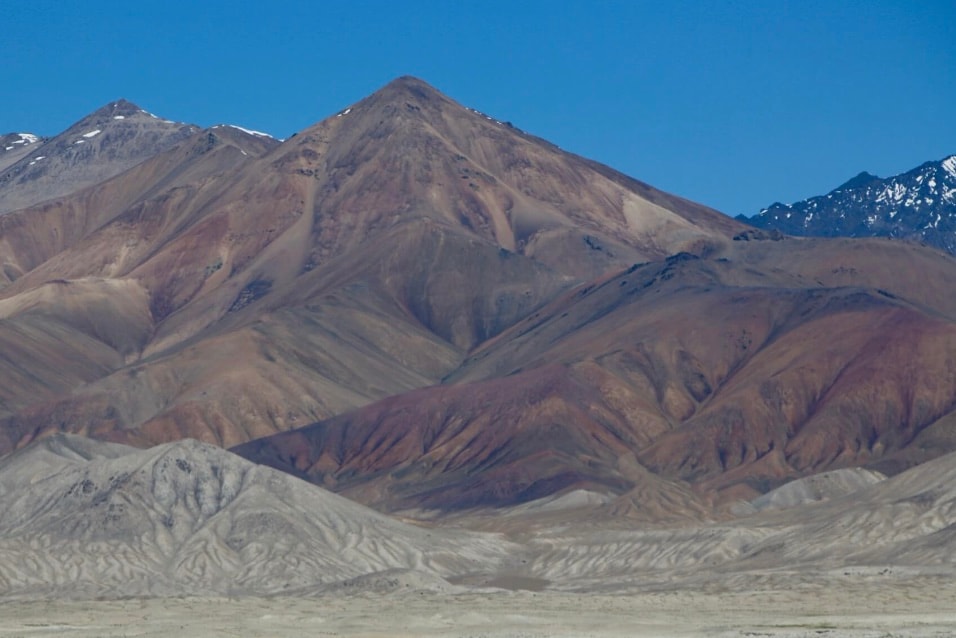
The Pamir Mountains earned the name “Roof of the World” because they rise where Asia’s greatest ranges meet, creating a vast highland with an average elevation over 4,000 meters, offering breathtaking views and a truly awe-inspiring landscape. (Image: x)
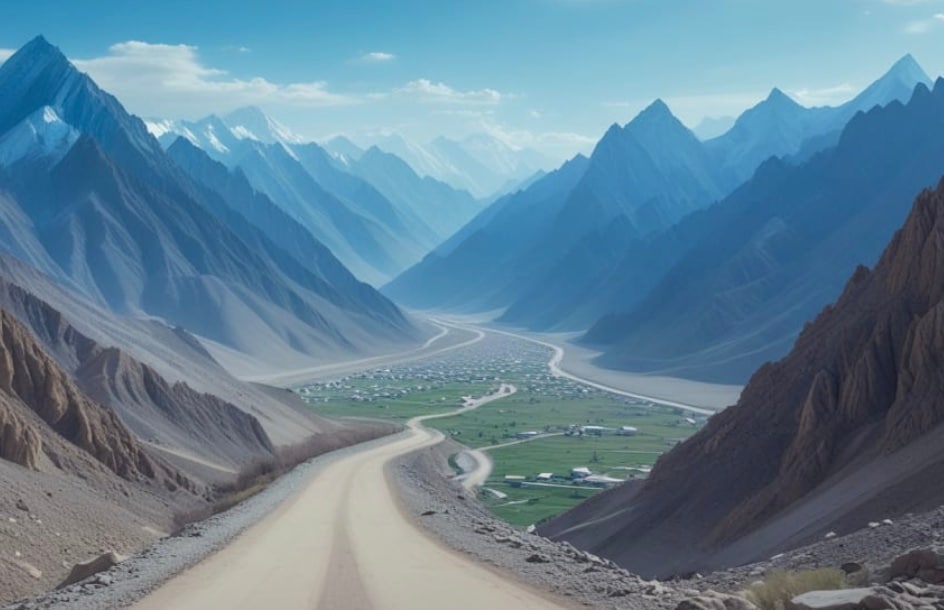
For centuries, travellers have been amazed by the Pamirs’ remoteness and soaring heights, often calling it the place where Earth meets the sky. Even today, this phrase perfectly captures the region’s majesty and mysterious charm. (Image: x)
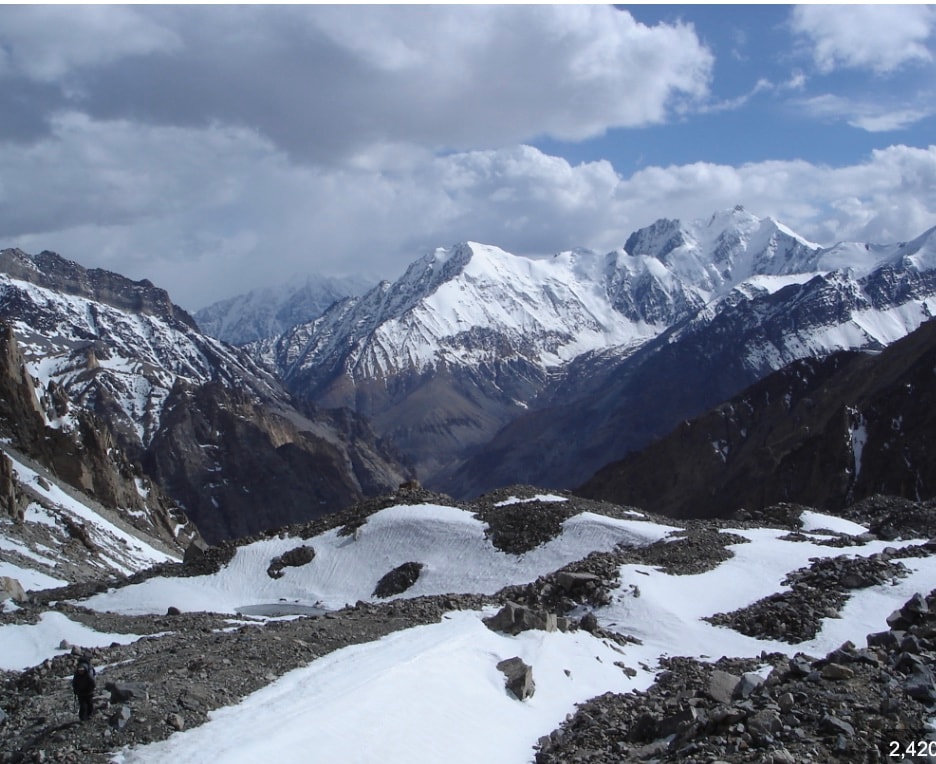
Historically, the Pamir Mountains have long been a crosswords for explorers and traders traveling the Silk Road. Where the Himalayas, Karakoram, Hindu Kush, and Tian Shan ranges converge, the Pamirs rise dramatically, with peaks soaring above 4,000 meters and some reaching nearly 7,500 meters. (Image: x)
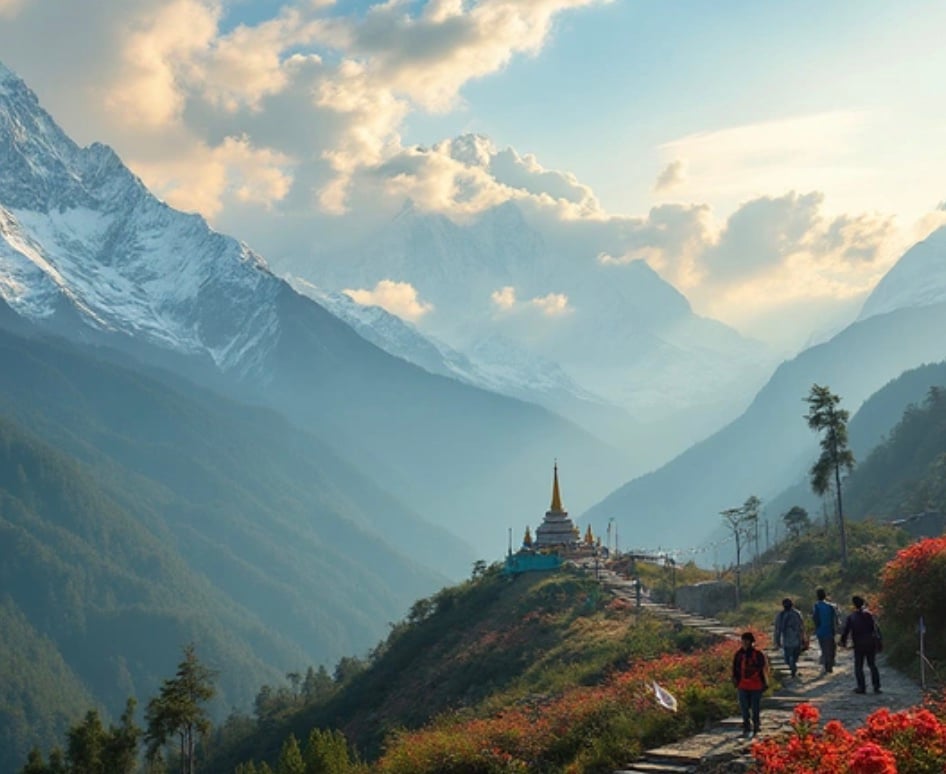
Beyond their stunning landscapes, the mountains are a treasure trove of history and culture, offering travellers an unforgettable mix of natural beauty, rich heritage, and adventurous experiences. (Image: x)
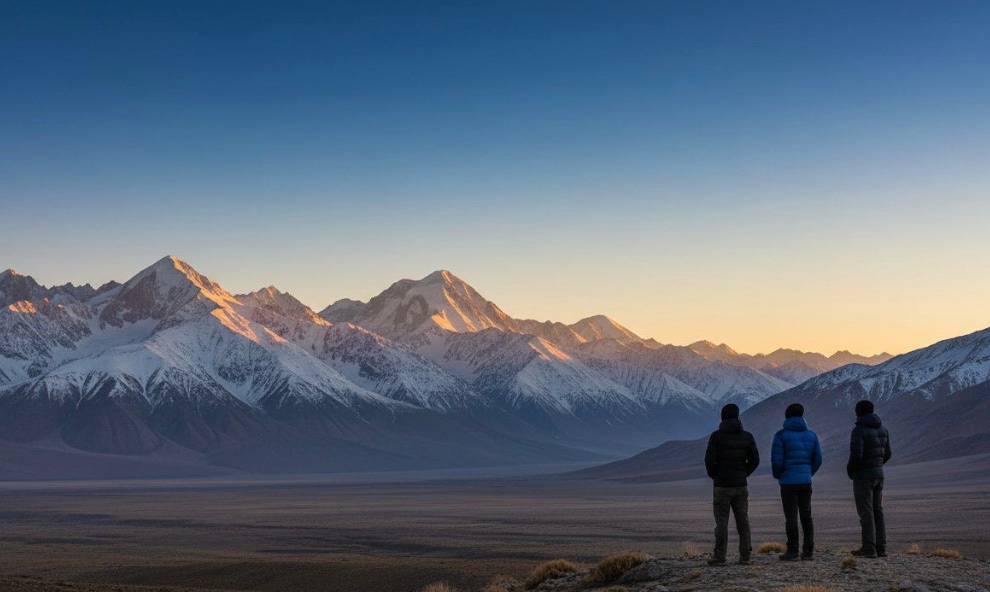
The best time to visit Pamir Mountains is June to September. (Image: x)