




With 2026 now in full swing, many are turning their attention to GLP-1 weight-loss medications like Mounjaro, either having started treatment or seriously considering it.
However, a prominent expert in the field has issued a warning, suggesting that those using these weight loss jabs are consistently falling into the same traps.
Alistair Murray, chief operating officer and weight-loss specialist at British digital health company Phlo, regularly advises patients beginning GLP-1 treatments.
The former chief pharmacist frequently observes recurring misunderstandings and moments of anxiety, with patients often expressing regret that they weren’t aware of these issues before commencing their weight loss journey.
Mr Murray has identified seven common errors, along with practical advice on how to avoid them.
Mistake 1: Eating out of habit, not out of hunger
“One of the most common things I see is patients saying, ‘I normally have breakfast at this time’ and then eating their usual breakfast, even though they’re not actually hungry anymore; they’re just doing it out of habit,” says Mr Murray.
“The reason GLP-1s are prescribed for weight loss is that they reduce your appetite; they can’t magically change your embedded habits.
“That moment when you realise your hunger has quietened is a real opportunity. It’s the point where you can stop and ask yourself: Am I eating because my body needs it, or because this is what I’ve always done? For many people, that’s the first time they’ve ever had that pause.
“We often encourage patients to really evaluate their meals. If they were having a very carb-heavy breakfast before, this can be the inflection point where they realise they’re actually satisfied with something smaller and more protein-dense instead.
“The medication creates the space to make different choices, but you have to consciously step into it.”

Mistake 2: Rushing the process because of a deadline
“A scenario we see a lot is people signing up three or four weeks before a wedding or big event and expecting dramatic results, which is simply a bad idea,” says Mr Murray.
“Your body needs time to adapt to GLP-1s. People often experience gastrointestinal issues, which is the last thing you want on your big day, your appetite needs time to change, and you need time to work out what eating and daily life looks like for you on this medication. It’s a very personal process.
“When people feel it’s ‘not working fast enough’, it’s often because the goal they’ve set is way too soon. We often get people talking to our clinicians citing stories they’ve seen online, or results they’ve seen on social media, rather than honing in on what’s best for their body.
“Slow, steady weight loss is a sign the treatment is working exactly as it should. Rushing doses or chasing rapid results can backfire harshly and it can increase side effects and make people abandon something that would have worked well if they’d given it time.”
Mistake 3: Assuming early side effects are there for the long run
“I think the biggest misunderstanding we see is that how you feel in week one is how you’ll feel on your entire journey with weight loss drugs,” says Mr Murray.
“It’s no secret that some people can experience diarrhoea, nausea, vomiting, or even constipation, and there’s no denying that it’s a tough barrier to overcome, but it’s not forever.
“In reality, side effects are usually most noticeable at the very start and often settle as the body adjusts to the GLP-1. Small changes to diet, hydration, and routine can make a world of difference.
“It comes back to that element of planning, looking at maintenance as a priority from day one: make your meals nutrient-dense and light, and you’re onto a winner.
“While there are a few factors that contribute to this, we see far higher drop-off rates between the first and second treatment compared to further on in the treatment, which suggests a lot of people who drop out early might have stayed on successfully if they’d reached out for additional reassurance and professional support through those first few weeks.”
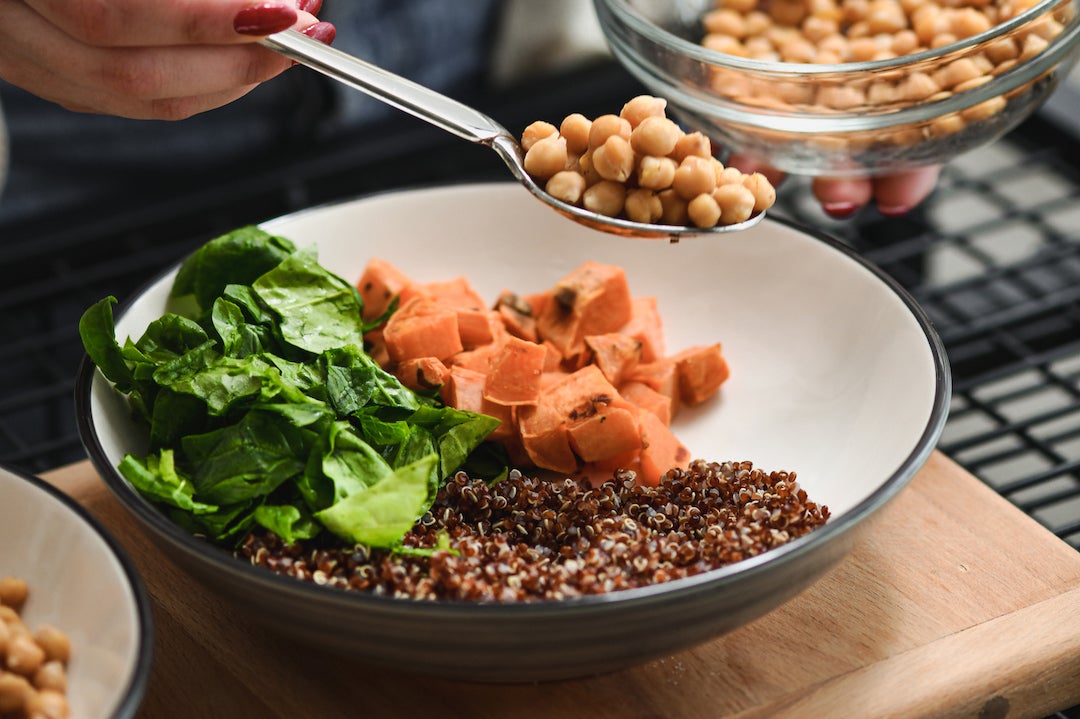
Mistake 4: Not prioritising protein (then feeling weak, hungry, or ‘stuck’)
“One of the biggest missed opportunities I see is people eating less overall, but not changing what they eat, and protein is usually the first thing to drop,” says Mr Murray.
“That can leave you feeling tired, less satisfied after meals, and it can make it harder to preserve muscle as you lose weight.
“Protein is your friend during weight loss because it helps with fullness and it supports lean mass. A simple rule is to make protein the anchor of each meal.
“Then add colour, fibre, and healthy fats around it. Even small upgrades like swapping a carb-heavy breakfast for a protein-first option can make the whole day easier.
“Try to include a protein source at every meal or snack, like eggs, yoghurt, chicken, fish, tofu or beans.”

Mistake 5: Skimping on fibre and water (then blaming the medication for constipation, bloating, or feeling ‘off’)
“People are often surprised that appetite suppression can accidentally reduce fibre and fluid intake, simply because you’re eating less and forgetting to drink,” says Mr Murray.
“But fibre and hydration are two of the biggest levers for feeling good on a weight-loss journey, especially if constipation is an issue.
“Fibre needs water to do its job properly. If either one is too low, digestion can slow down, and people feel uncomfortable, which can make them want to stop treatment or throw in the towel.
“A few small habits, like a bottle of water nearby and consuming fibre-rich foods daily, can completely change the experience.
“Try building fibre gradually, incorporating veg, berries, oats, beans, lentils, whole grains and chia seeds, and pair it with steady water intake.
“Increasing fibre, however, isn’t suitable for everyone. This guide is for general information only.
“People with IBS, inflammatory bowel disease, or other digestive conditions should consult a GP, dietitian, or specialist before making dietary changes. Some high-fibre or fermented foods may trigger symptoms in sensitive individuals.”

Mistake 6: Under-eating during the day, then ‘making up for it’ at night
“A pattern we often see is people barely eating all day because they don’t feel hungry, and then finding evenings are the danger zone where cravings, snacking or overeating creep back in,” says Mr Murray.
“It’s not a lack of willpower; it’s your body trying to catch up.
“Even if your appetite is low, your body still needs regular nourishment. Small, protein-forward meals earlier in the day can prevent that late-night rebound.
“Don’t force yourself to eat purely for the sake of it, but aim to keep your routine steady enough so that you don’t swing from ‘nothing’ to ‘everything’.
“This is a key part of forming new behaviours that will hopefully last for years. A light but structured approach works well: protein and fibre earlier, so evenings feel calmer.”
Mistake 7: Thinking weight loss is the only metric that matters (and ignoring sleep, strength, and other factors)
“The scale can be useful, but it can also become a trap,” says Mr Murray.
“If you only measure success by weekly numbers, you can miss what actually predicts long-term results: consistent habits, sleep quality, strength training and how well you’re coping day-to-day.
“Weight loss that comes with exhaustion, muscle loss, poor sleep or constant restriction is rarely sustainable.
“We encourage people to track the things that support maintenance, like energy, appetite stability, protein intake, hydration, fibre, and strength.
“The best type of change is the one you can keep going with.
“Try to include two to three strength sessions a week if possible, and protect sleep. Both of these help to preserve muscle and support appetite regulation.”