




Ramadan 2026 is a sacred month for Muslims worldwide, marked by fasting, prayer, and reflection. Beyond rituals, it holds rich cultural, spiritual, and historical significance. Here are eight interesting facts about Ramadan that everyone should know.
Fasting From Dawn To Sunset: During Ramadan, Muslims abstain from food, drink, and other physical needs from dawn (Suhoor) to sunset (Iftar). Fasting teaches self-discipline, empathy for the less fortunate, and spiritual growth. It’s a central pillar of Islamic practice and devotion.
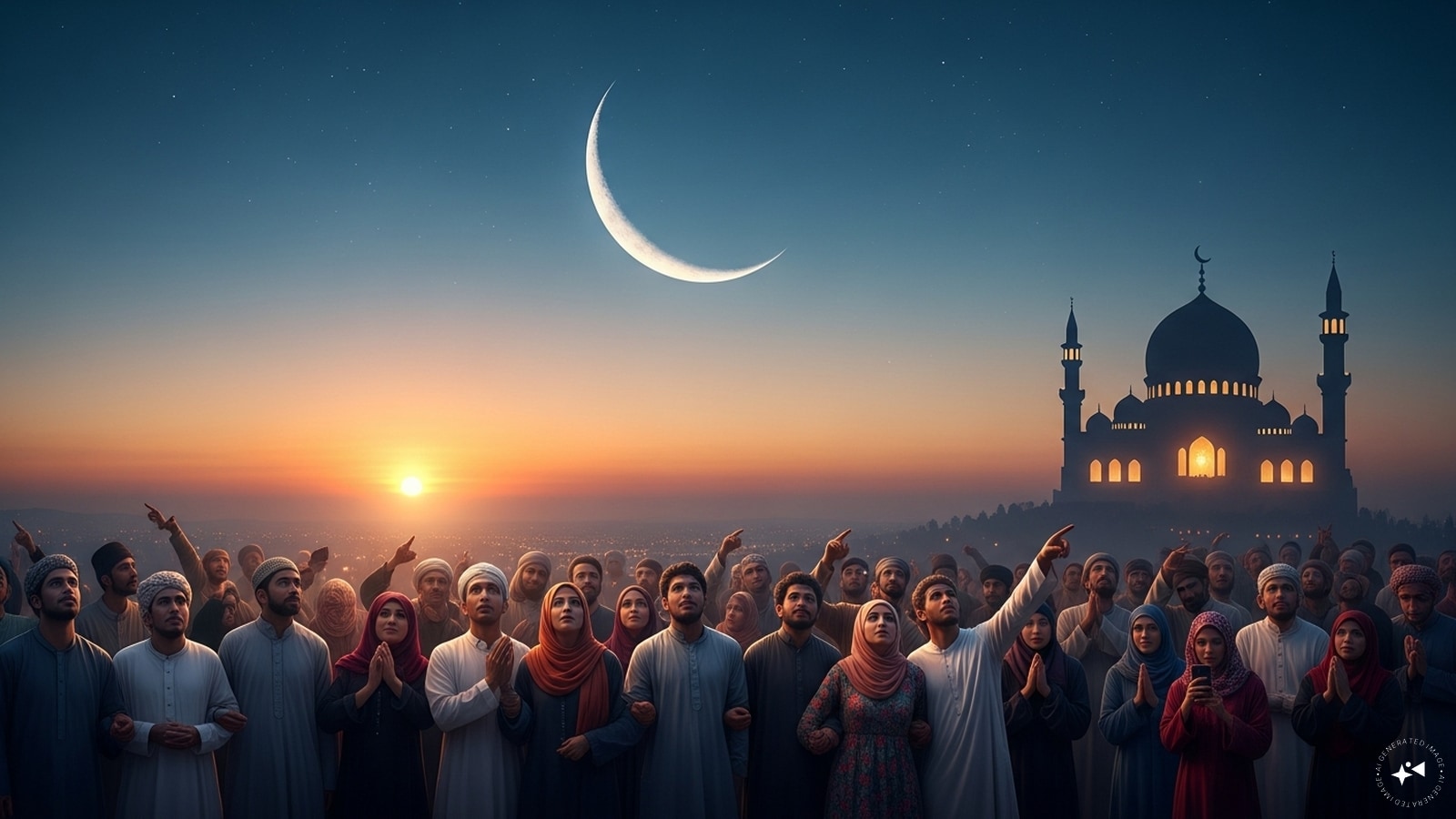
Lunar Calendar Observance: Ramadan is based on the Islamic lunar calendar, beginning with the sighting of the new moon. As a result, the month shifts approximately 10–12 days earlier each year, causing fasting durations and weather conditions to vary globally.

Nightly Prayers: Muslims perform special nightly prayers called Tarawih during Ramadan. Typically held at mosques, these extended prayers include recitation of the Quran. Tarawih fosters spiritual reflection, community bonding, and a deeper connection with the teachings of Islam.

Quran Revelation: Ramadan commemorates the month when the Quran was first revealed to Prophet Muhammad. This sacred event highlights the spiritual importance of reading, reciting, and reflecting upon the Quran, which guides Muslims in ethics, faith, and everyday life.

Charity: Charity, or Zakat, is emphasized during Ramadan. Muslims donate to help the needy, strengthen communities, and purify wealth. Acts of kindness and generosity embody the spirit of Ramadan, fostering empathy and social responsibility.

Fasting Exemptions: Certain groups, like children, the elderly, pregnant or nursing women, and the sick, are exempt from fasting. These exemptions reflect compassion and flexibility in Islamic practice, ensuring that fasting is undertaken safely without causing harm or hardship.

Health And Spiritual Benefits: Fasting during Ramadan can improve self-control, mindfulness, and empathy, while offering potential health benefits like detoxification and improved digestion. The combination of spiritual reflection, prayer, and moderation contributes to holistic well-being for mind, body, and soul.