




Tens of thousands of people in the UK have delayed claiming their state pension – a move which can be a long-term financial boost to households.
New research from Royal London shows more than 54,000 people chose to defer, or delay, claiming their income in 2022-23, with another 42,000 doing the same the following year.
The move means people could pocket hundreds of pounds more a year in future, while others can choose to receive a lump sum instead when they start drawing their pension.
But not everyone would benefit from the delay – and it could even be costly for some in the longer term.
Here,The Independent takes a look at what happens if you defer, and what the considerations are before doing so.
What happens if you defer?
There are a couple of reasons why someone may defer taking the state pension.
The first change is that the amount you receive will increase by one per cent for every nine weeks it is deferred – so around 5.8 per cent if you delay taking it for a full year.
That mean that, if you wait an extra 52 weeks to take it when you were eligible for the maximum amount of £230.25 a week, you’ll get an extra £13.35 a week (5.8 per cent of that total).
Alternatively, you can ask to get the full amount of the one deferred year in a single sum, meaning you’d receive £11,973 in one go – a full year of maximum state pension payments at the current rate. You would not get any interest added to that tally, though, nor get the extra payments per week in future years.
Changing when a person receives the income in this way can help individuals manage their tax matters – for example, if they are close to moving into the next income tax band and don’t want to do so, or if they know they’ll need a lump sum down the line when other income might be due to finish.
Get a free fractional share worth up to £100.
Capital at risk.
Terms and conditions apply.
Go to website
ADVERTISEMENT

Get a free fractional share worth up to £100.
Capital at risk.
Terms and conditions apply.
Go to website
ADVERTISEMENT
What are the downsides?
However, there other matters to consider.
HMRC estimates it will take 15 years to receive enough money in state pension payments to cover the almost-£12,000 you wouldn’t receive in that first year you could have taken it.
From that point onward you would of course receive a greater total overall, particularly useful for those who might have decades of retirement to fund. But if it is more important to have the income initially, it’s naturally a long time for someone to wait to “catch up” with what they might have had in the bank.
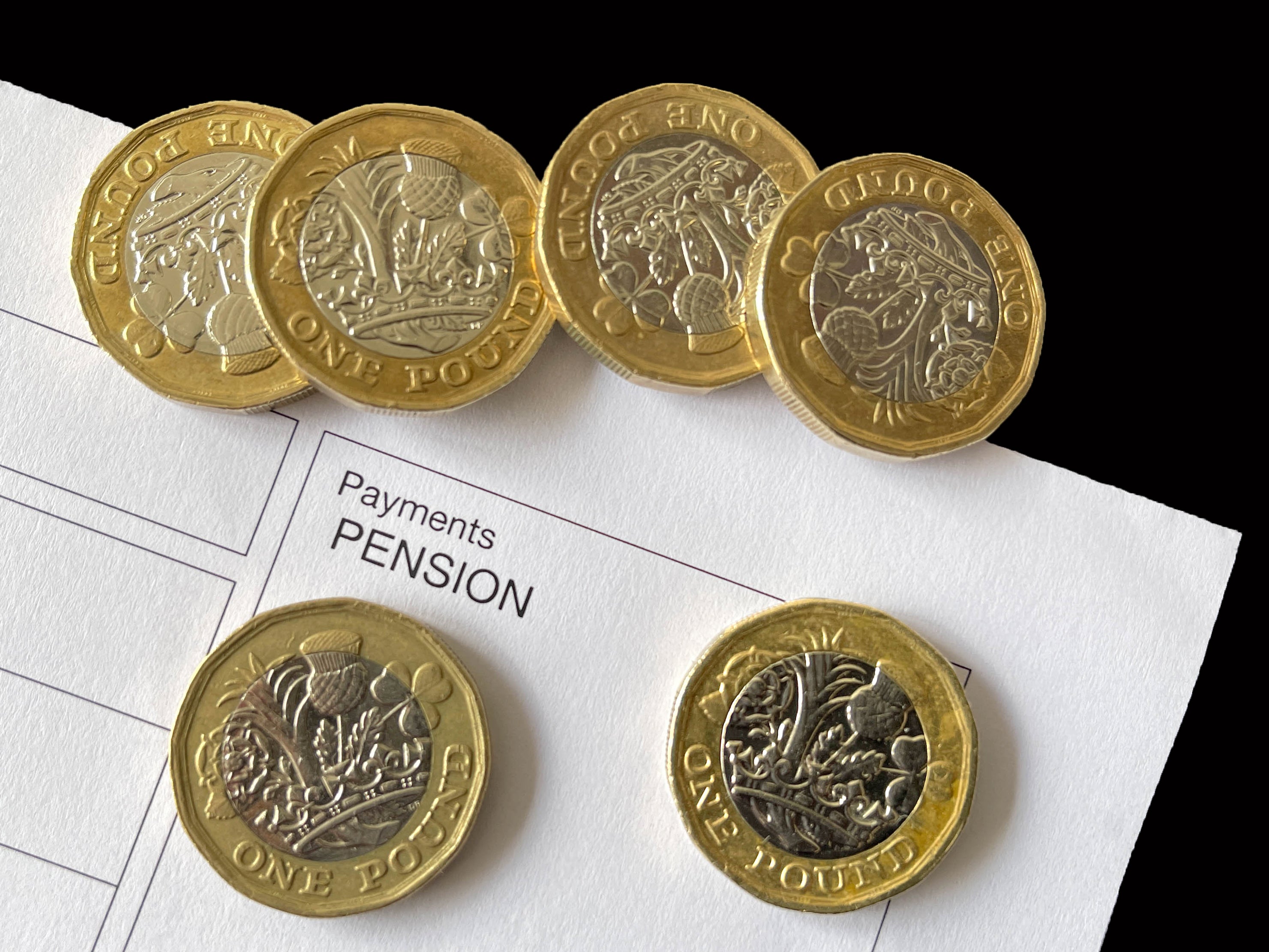
The current state pension age is 66; someone that age this year in the UK has an average life expectancy of 85 years for males and 88 for females, according to the Office for National Statistics.
While people are living longer, expenses are also rising, meaning when to take a state pension – with the age due to rise to 67 by 2028 – is a more wide-ranging matter than just getting more in future.
What do the experts say?
Sarah Pennells, consumer finance specialist at Royal London, said: “Our figures show that some people, for whatever reason, are delaying getting their state pension payments. The numbers deferring in 2023/24 have fallen quite dramatically from the previous year, which could be because fewer pensioners are able to manage without the state pension.
“However, with the new state pension expected to rise to just below the personal allowance from April, we could see an increase in the numbers of people with other forms of income deferring, as they look to reduce the income tax they pay.”
As for whether delaying is the right decision for individuals, Ms Pennells underlines that it is dependent on circumstance.
That means not only about how long a person expects to need their pension money for, but also regarding dependents and other income, which might include benefits, rental income, dividend payments, other pensions or anything else.
“If you’re thinking of delaying claiming your state pension, then it’s a good idea to assess whether it is right for you. Getting the extra money may look attractive, but you are giving up the right to receive any state pension payments until you stop deferring, and it could take years to see the benefit. The less tax you pay, the less worthwhile delaying might be.”
“If someone defers their pension and then dies, their surviving spouse or civil partner will only receive the extra pension if the person who deferred reached state pension age before 6 April 2016. These figures highlight why it’s so important to think carefully before making this decision.”