




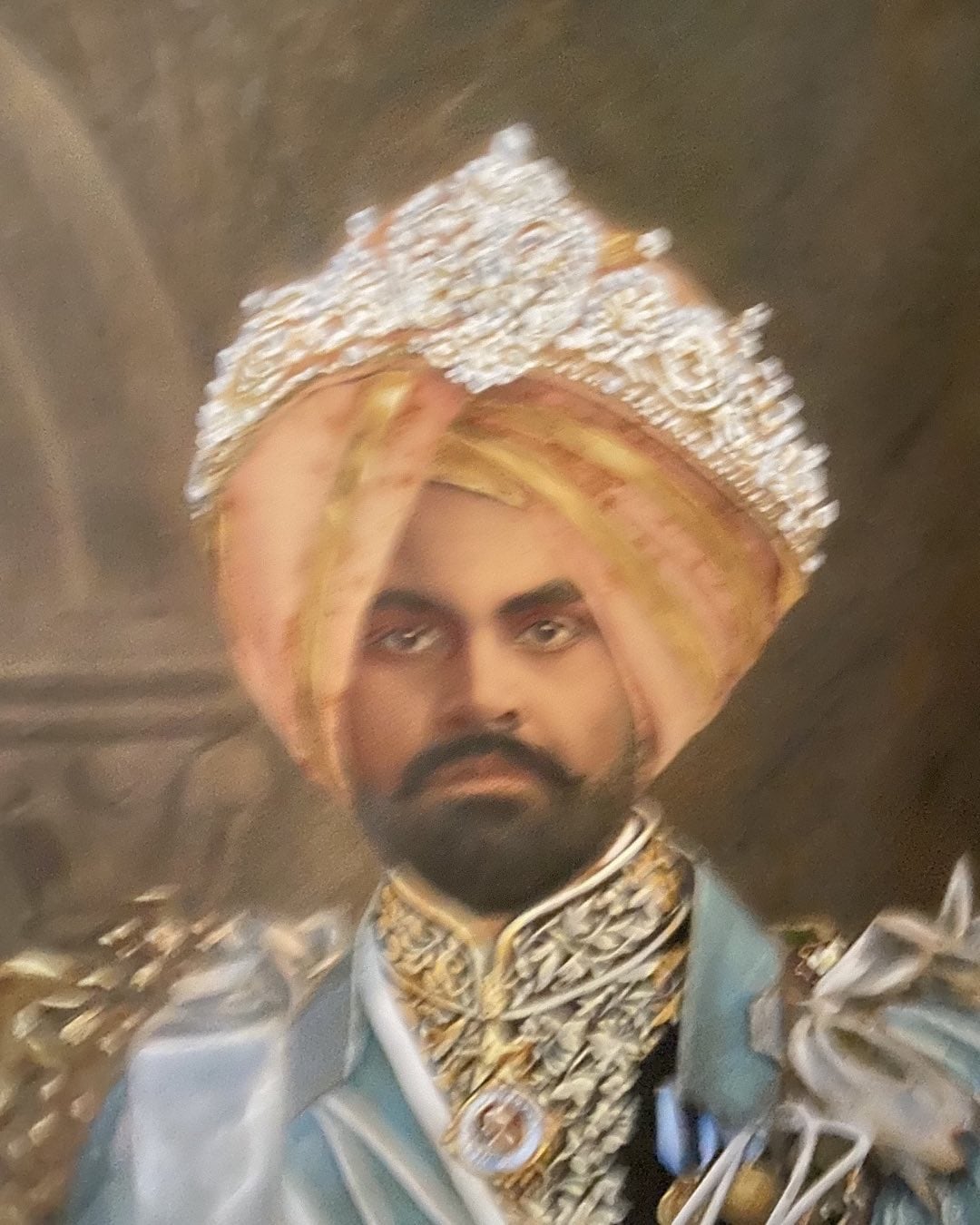
In an era when steamships still ruled the waves and imperial railways stitched continents together, one Indian monarch redefined what it meant to travel in royal style and international finesse. Maharaja Sir Jagatjit Singh Sahib Bahadur of Kapurthala wasn’t just a ruler; he was a global citizen long before globalization became a buzzword, and his journeys across the world were as much about diplomacy and culture as they were about symbols of opulence and taste. (Image: Wikimedia Commons)
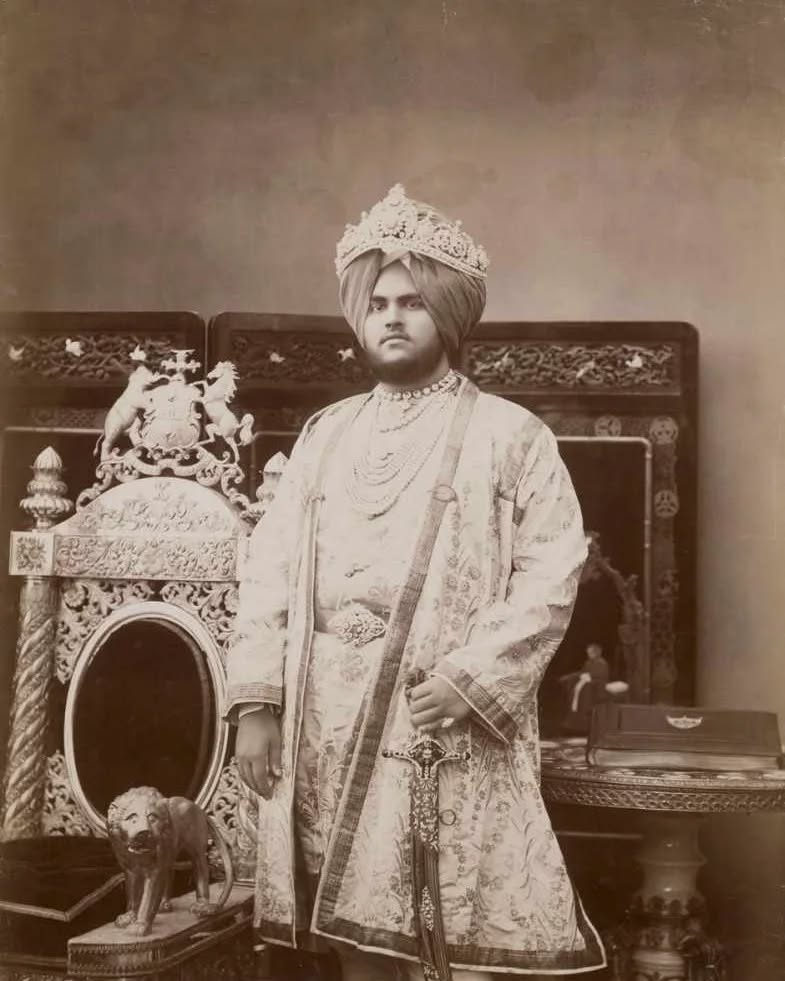
Born on November 24, 1872 into the Ahluwalia dynasty, Jagatjit Singh ascended the throne of the princely state of Kapurthala in Punjab in 1877 at the tender age of five. Over the next seven decades, he would become known not just as a ruler but as an ambassador of sophistication. His dream was to transform Kapurthala into a cultural melting pot and a centre of cosmopolitan flair, something he quite literally modelled after Europe. (Image: Instagram)
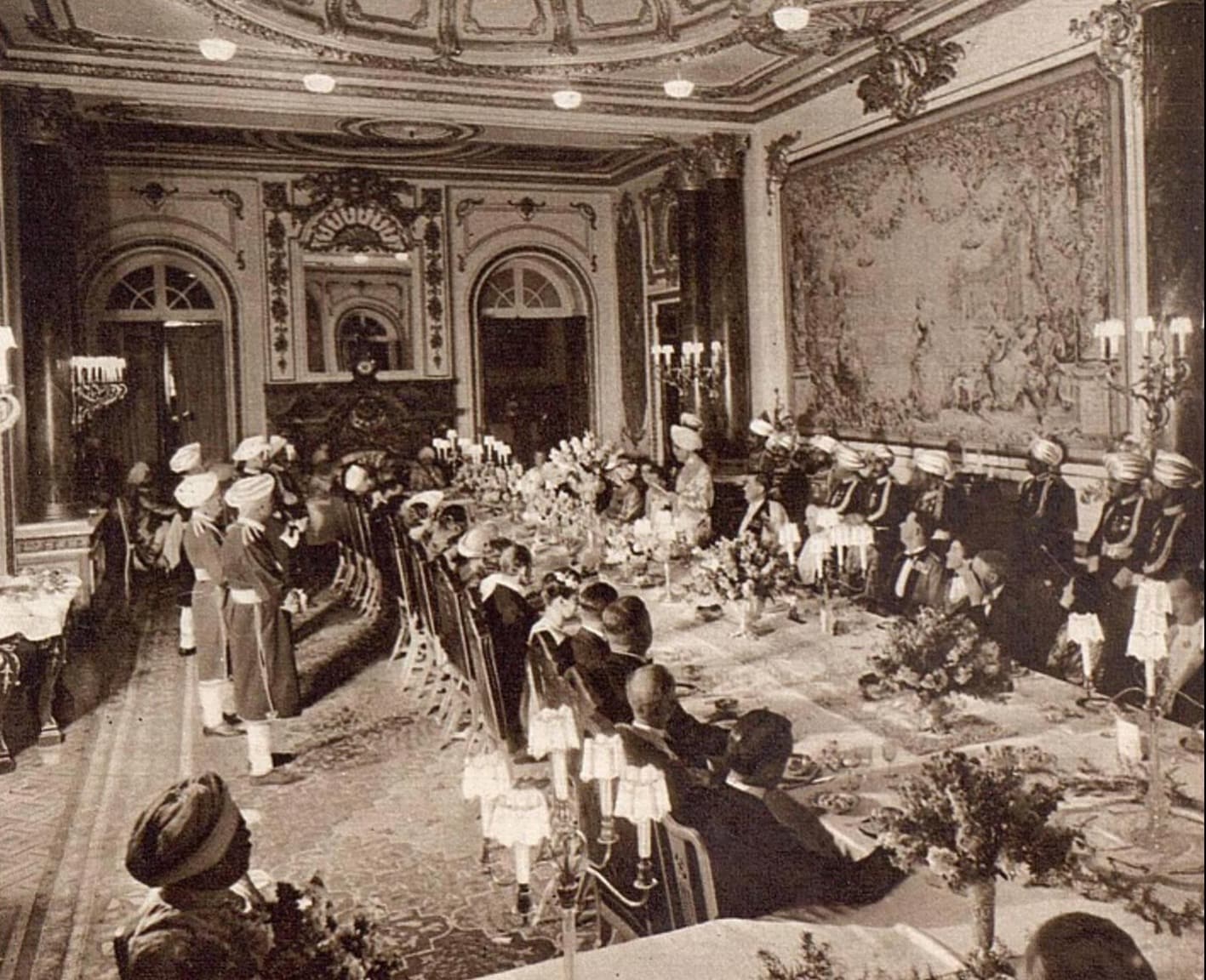
He built Jagatjit Palace, a magnificent residence inspired by the French Palace of Versailles, blending Indian and European architectural sensibilities in a bold testament to his eclectic tastes. He also commissioned structures like the Moorish Mosque and educational institutions, reflecting a blend of secular vision and artistic ambition. (Image: Instagram)
But perhaps what truly set Maharaja Jagatjit Singh apart was his unabashed love for French craftsmanship, particularly his devotion to the Parisian luxury house Louis Vuitton. In the early 1900s, Louis Vuitton was already a symbol of elite travel, crafting rugged yet elegant trunks designed for long overseas journeys. Maharaja Jagatjit Singh didn’t just use these, he commissioned bespoke versions to suit every facet of his life on the move. (Image: Instagram)
According to historical accounts, he owned more than 60 custom-made Louis Vuitton trunks, each tailored to a specific category of his belongings, from ceremonial robes and suits to turbans, shoes, swords, and personal effects. In today’s values, these trunks, even at starting prices of around ₹49 lakh each for basic models, would easily add up well over ₹30-₹50 crore (and likely more) for a collection of 60 bespoke pieces. (Image: Instagram)
What made these trunks remarkable was not just their sheer number, but their individual purpose. Each was thoughtfully designed: Wardrobe trunks packed with kurtas, sherwanis, and European suits; accessory trunks built just for turbans and ceremonial headgear; armory trunks, home for swords and personal antiques; and footwear trunks because a Maharaja’s footwear needed dignity in transport. Such personalization was rare even among Europe’s elite but for Jagatjit Singh, traveling with one’s entire universe in tow was the norm. (Image: Instagram)
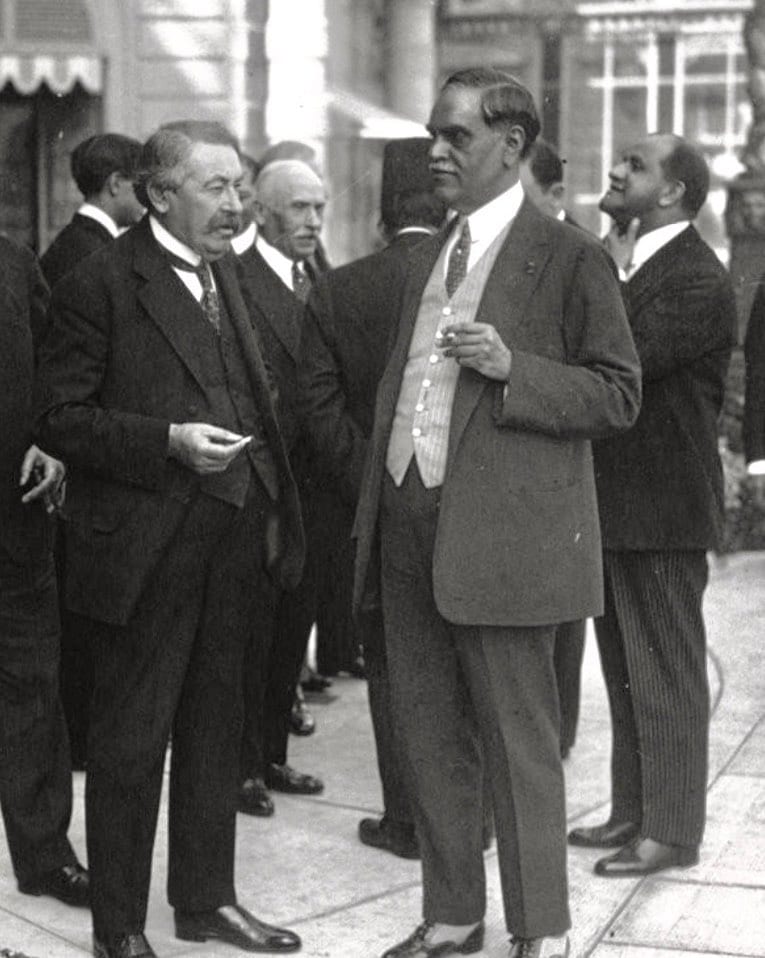
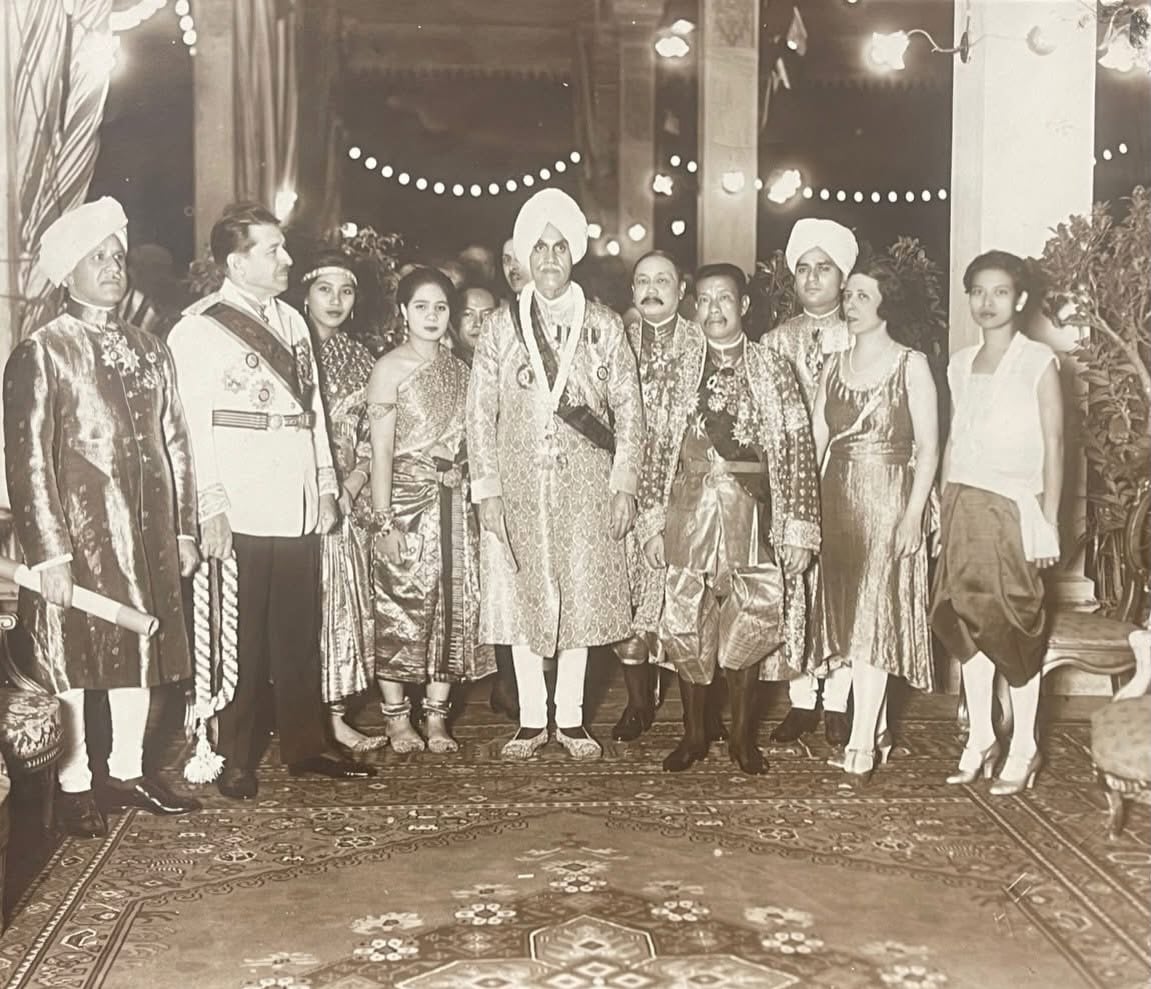
Jagatjit Singh’s travels were far from mere sight-seeing trips. He visited countries across Asia, Europe, Africa, and the Americas, attending world fairs, diplomatic gatherings, and cultural exchanges that broadened his worldview. These journeys helped him cultivate global relationships, promote his princely state, and bring back ideas that shaped Kapurthala’s cultural landscape. He also served as India’s representative to the League of Nations in 1925, 1927, and 1929, reflecting his international standing and diplomatic acumen. (Image: Instagram)
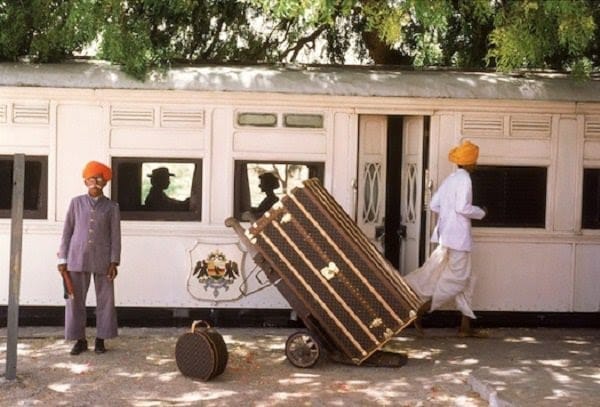
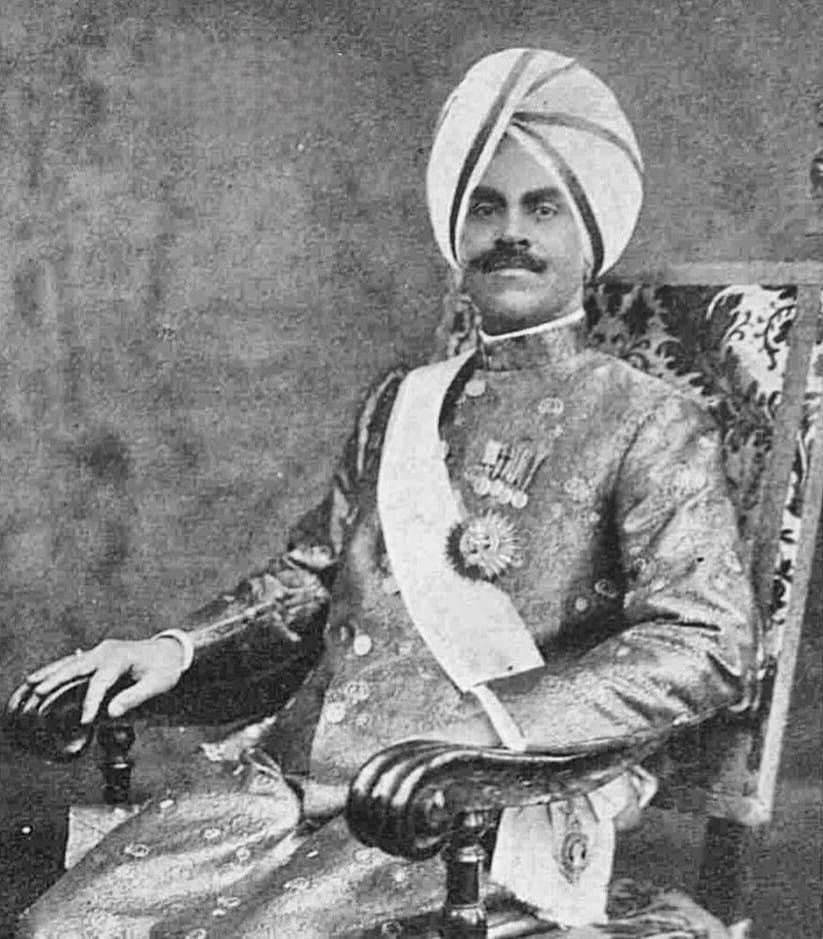
Today, Maharaja Jagatjit Singh’s legacy doesn’t just lie in stone palaces and caravan routes, it lives on in stories of fusion between East and West. His Louis Vuitton trunks, once symbols of worldly travel and refined taste, have become part of luxury lore: reminders of how Indian royals set global standards long before modern branding existed. In fact, his family’s connection with Louis Vuitton continues into the present day, with descendants engaging with the brand and preserving his heritage. In a world where brand obsession is common, the Maharaja’s 60+ trunks stand as a historic benchmark of elite travel. (Image: Facebook)