




From sesame-jaggery sweets in the west to rice-based delicacies in the south and east, Sankranti food celebrates seasonal produce and community bonding. Here’s a look at iconic Sankranti dishes enjoyed across different parts of India.
Til-Gud (Maharashtra): Til-gud, made from sesame seeds and jaggery, is the heart of Maharashtrian Sankranti. It symbolises sweetness in relationships and warmth during winter. (Image: AI Generated)
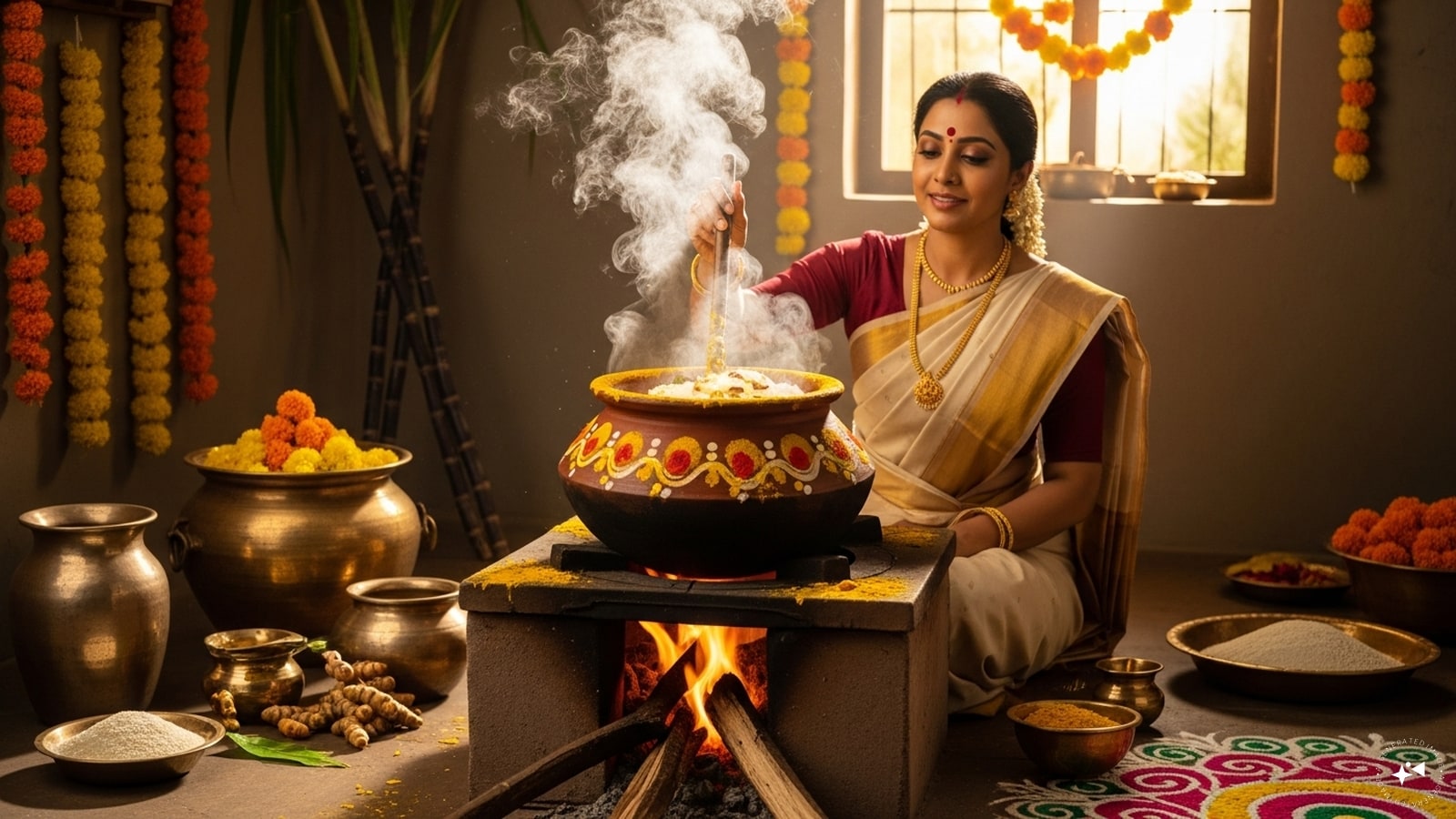
Sweet Pongal (Tamil Nadu): Sweet Pongal is a rice-and-lentil dish cooked with jaggery, ghee, cashews, and cardamom. Prepared as an offering to the Sun God, it represents prosperity, gratitude, and the joy of a fresh harvest. (Image: AI Generated)
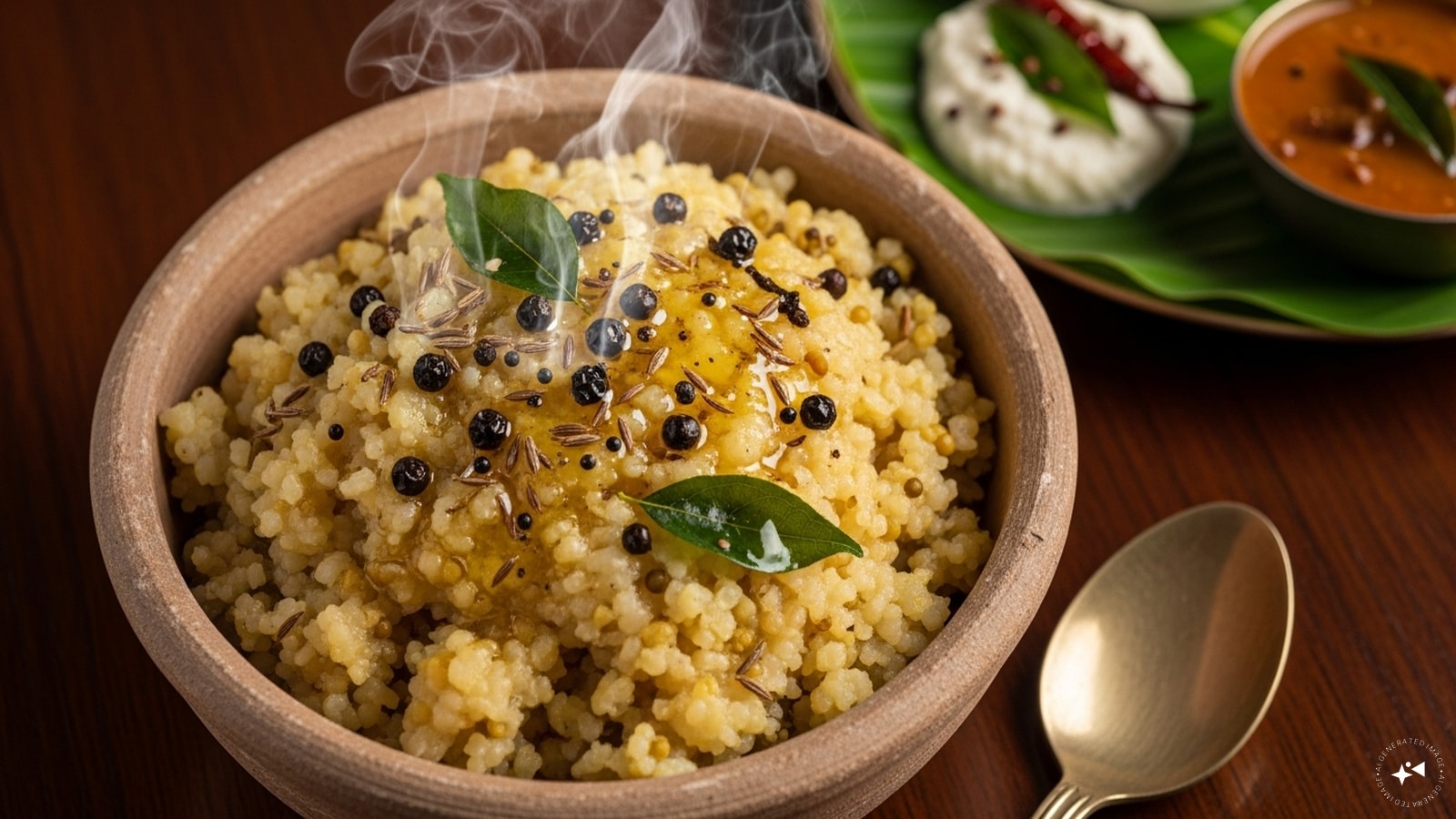
Ven Pongal (Tamil Nadu): Ven Pongal is the savoury counterpart to sweet Pongal, made with rice, moong dal, pepper, cumin, and ghee. Comforting and nourishing, it reflects simplicity and balance in traditional South Indian festive meals. (Image: AI Generated)
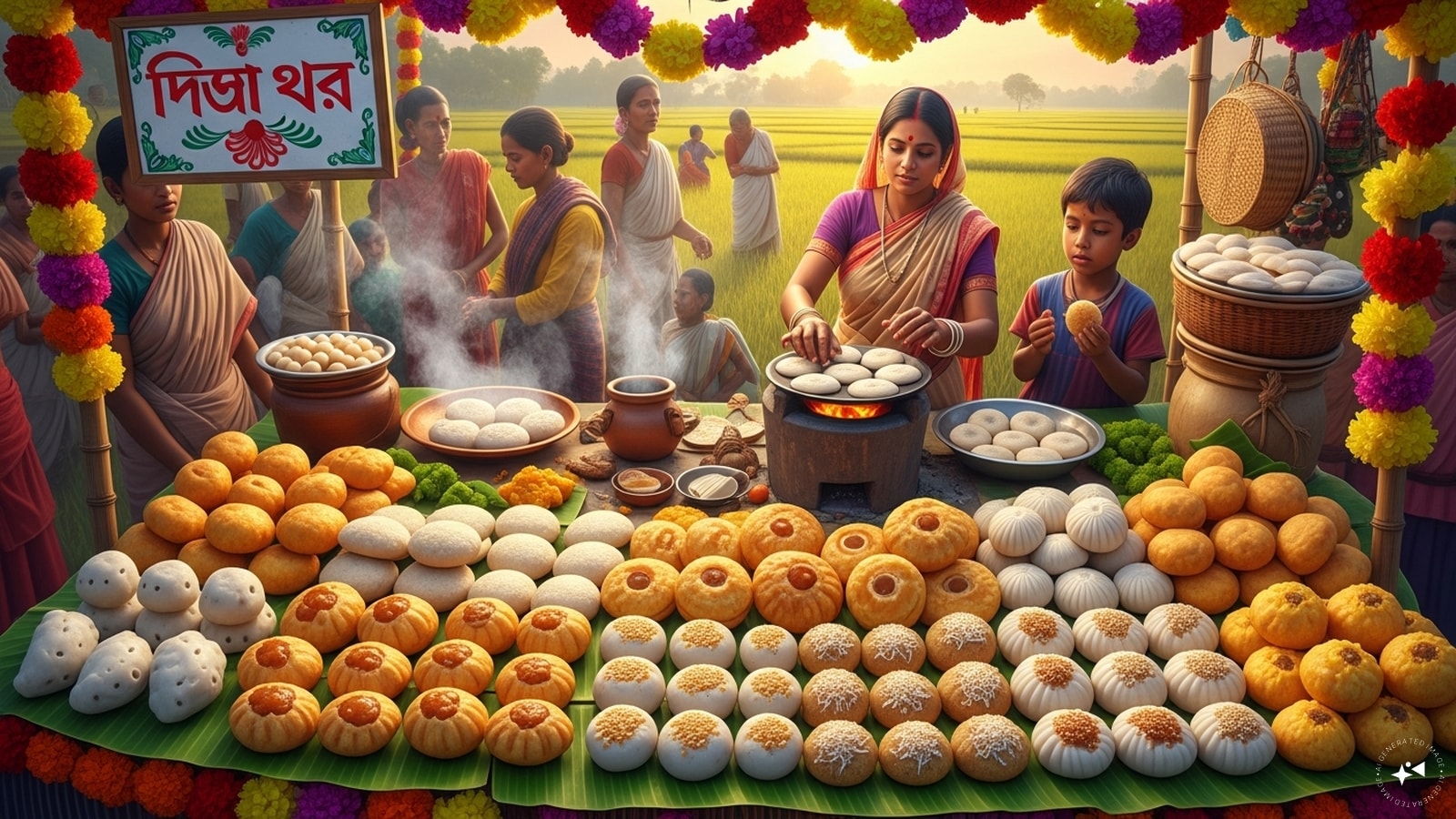
Pitha (Assam, Odisha and West Bengal): Pitha refers to a variety of rice-based cakes, often stuffed with jaggery, coconut, or sesame. Prepared during harvest festivals, pithas celebrate local grains and age-old cooking traditions passed through generations. (Image: AI Generated)
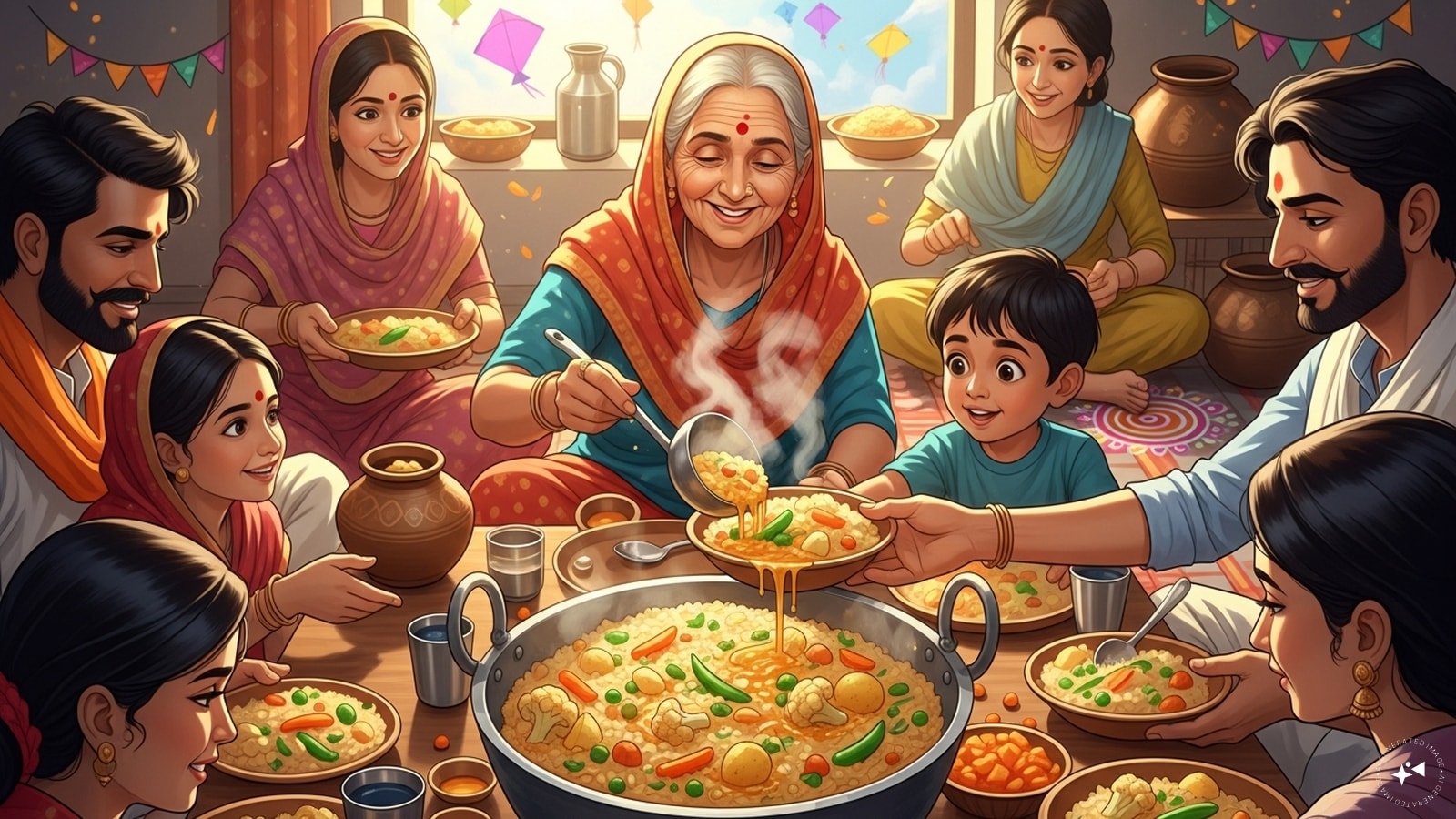
Khichdi (Uttar Pradesh and Bihar): Sankranti khichdi combines rice, lentils, seasonal vegetables, and ghee. Often donated or shared communally, it symbolises equality, nourishment, and the importance of giving during auspicious beginnings. (Image: AI Generated)
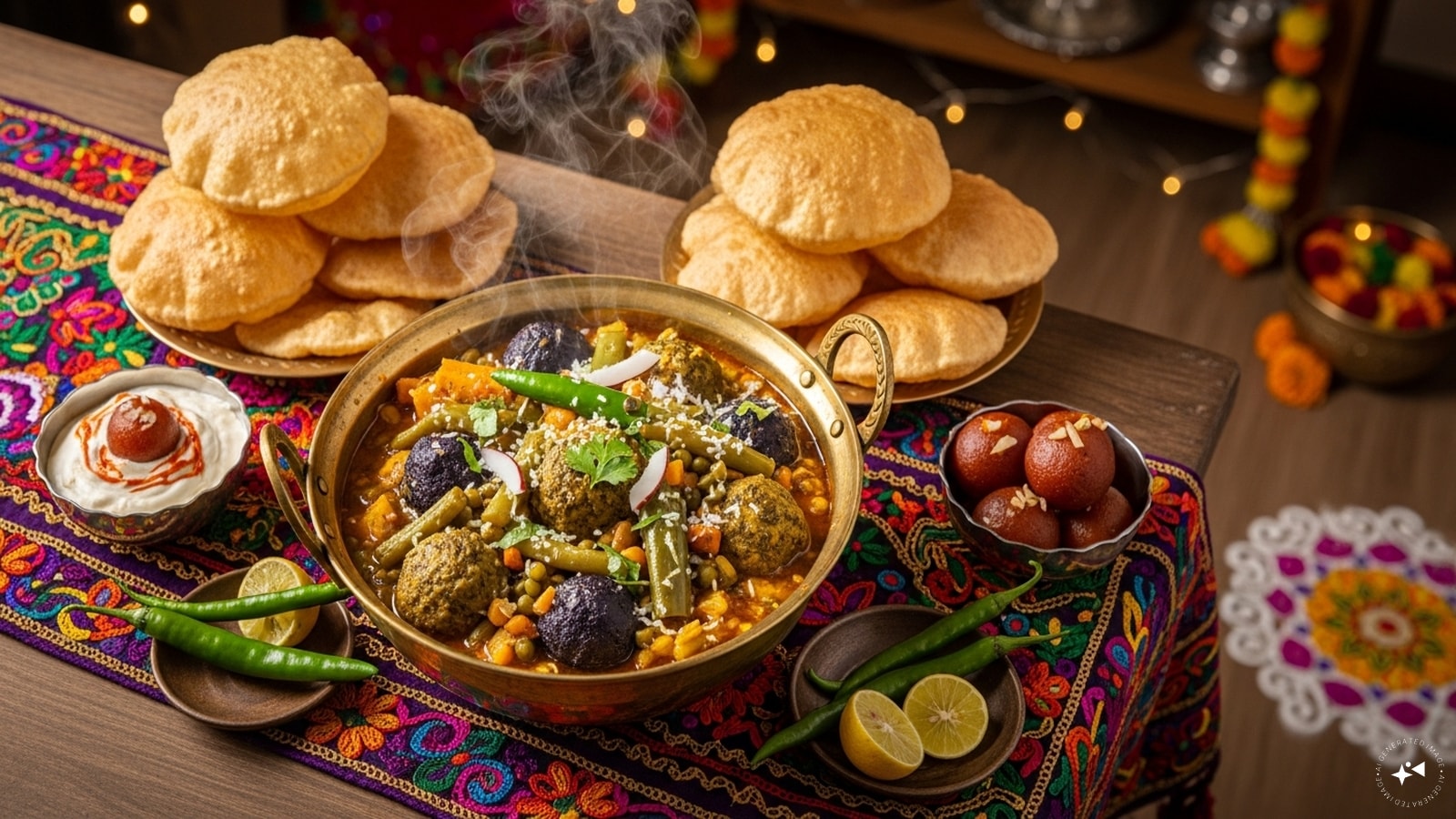
Undhiyu (Gujarat): Undhiyu is a slow-cooked mixed vegetable dish made with winter produce like yam, beans, and fenugreek dumplings. Served with puri and sweets, it highlights Gujarat’s harvest bounty and festive abundance. (Image: AI Generated)
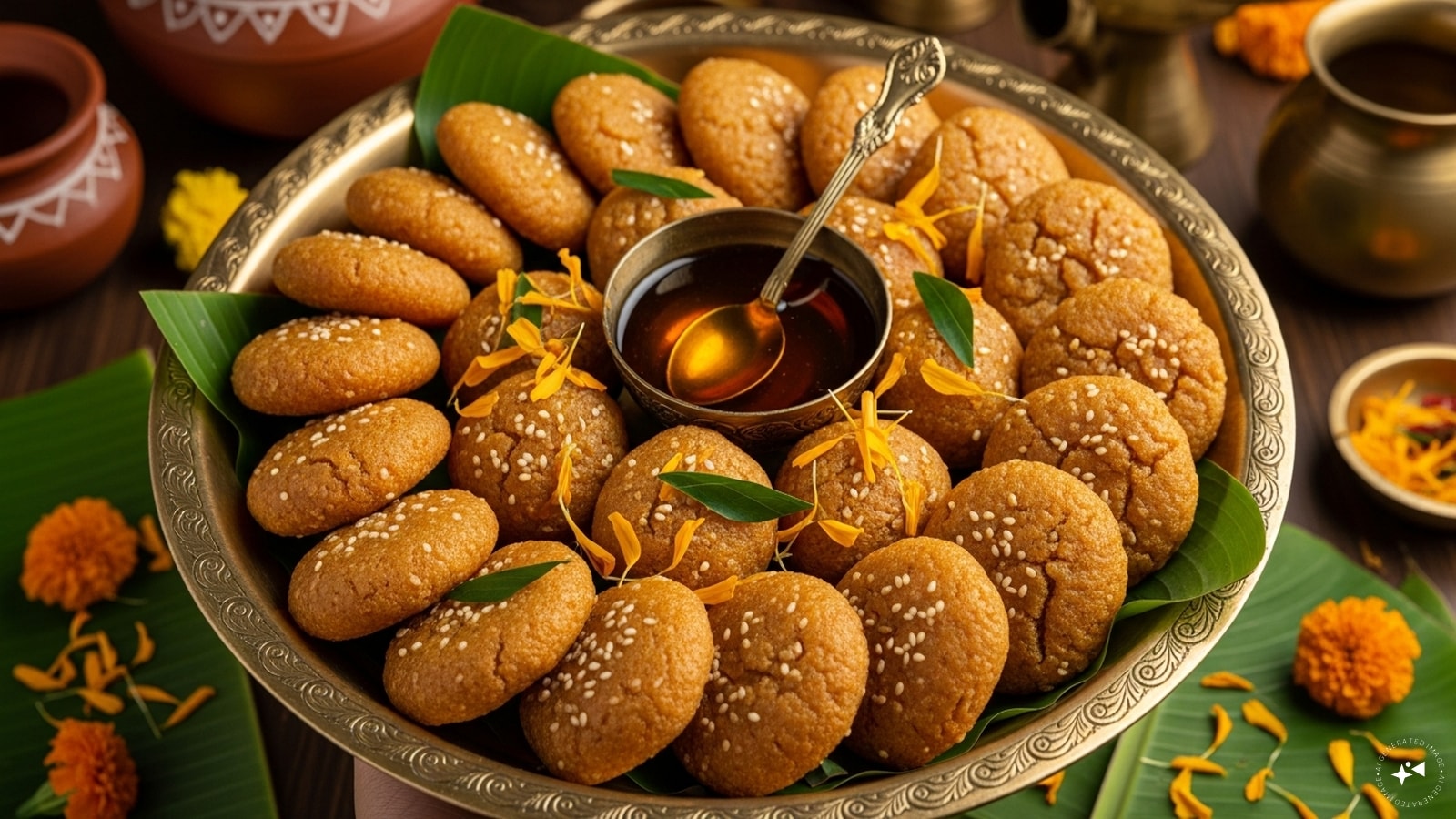
Ariselu (Andhra Pradesh and Telangana): Ariselu are deep-fried rice flour and jaggery sweets with a soft centre. Prepared especially during Sankranti, they represent celebration, hospitality, and the richness of South Indian festive cooking. (Image: AI Generated)
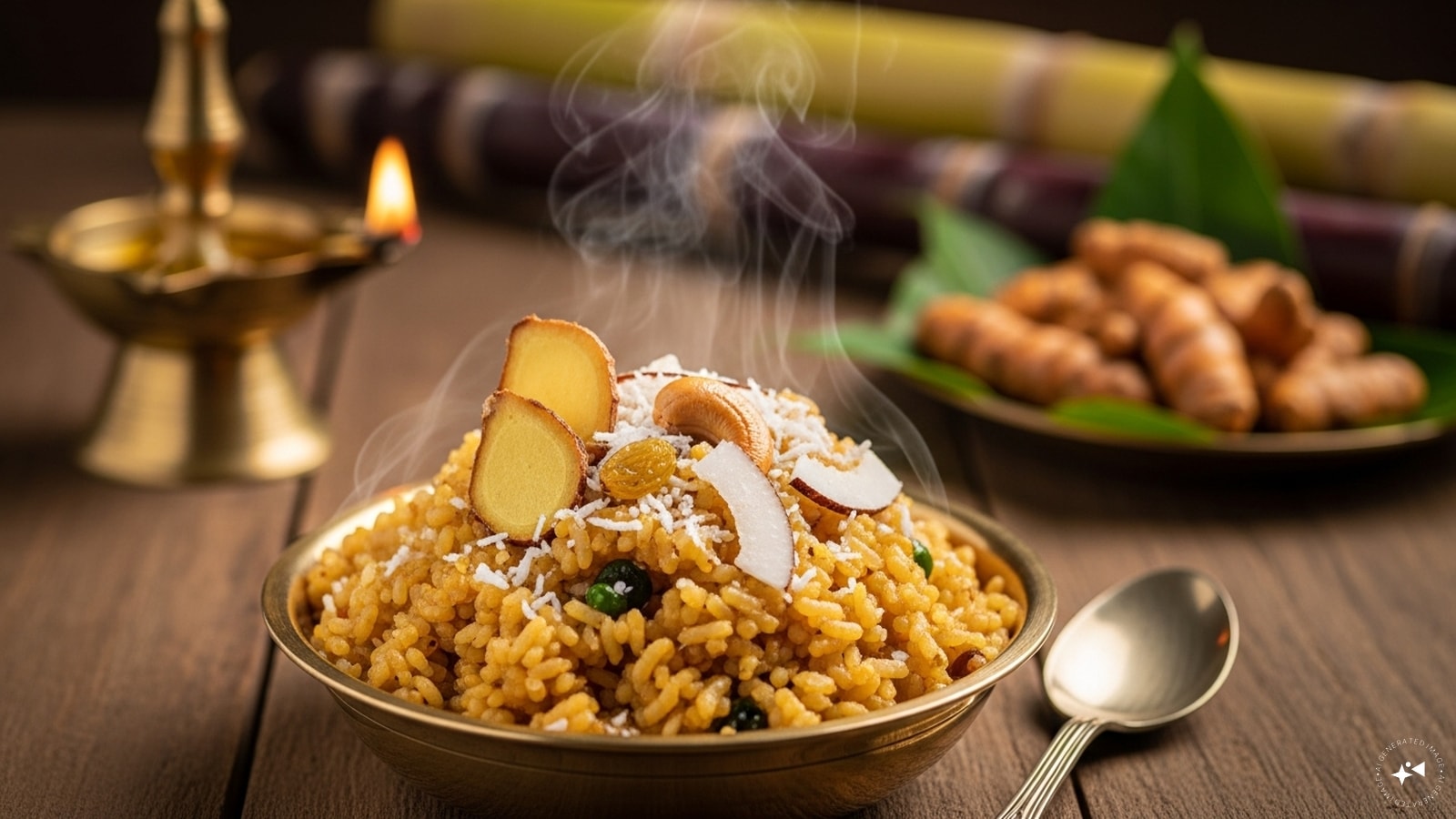
Chakkara Pongal (Karnataka): Karnataka’s Chakkara Pongal resembles the Tamil version but often includes dry ginger and coconut. It balances sweetness and spice, reflecting regional tastes while honouring the harvest and solar transition. (Image: AI Generated)
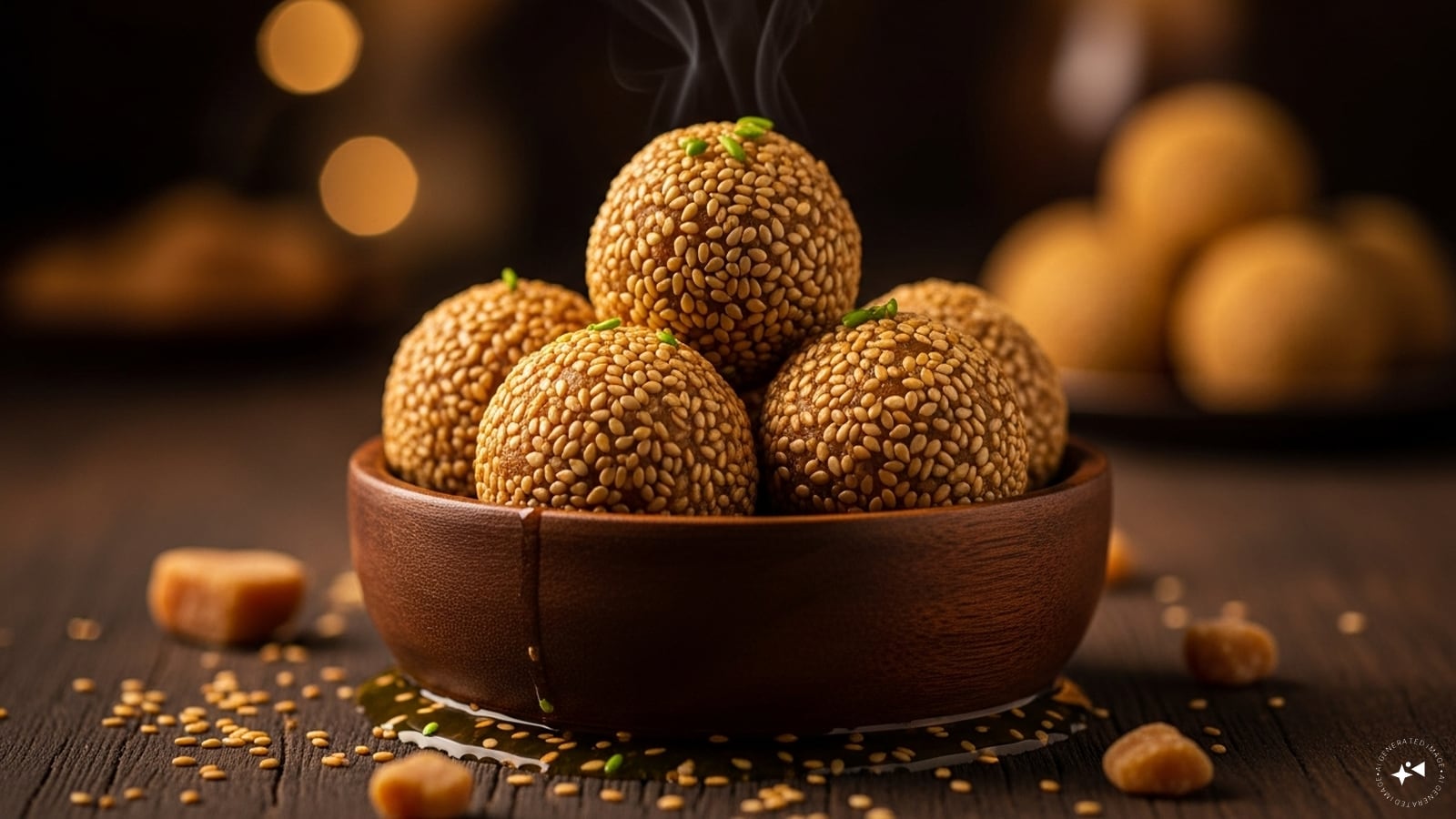
Til Ladoo (North & Central India): Til ladoos made with sesame, jaggery, and ghee are common across northern India. Packed with warmth and energy, they’re valued for both their festive symbolism and winter health benefits. (Image: AI Generated)
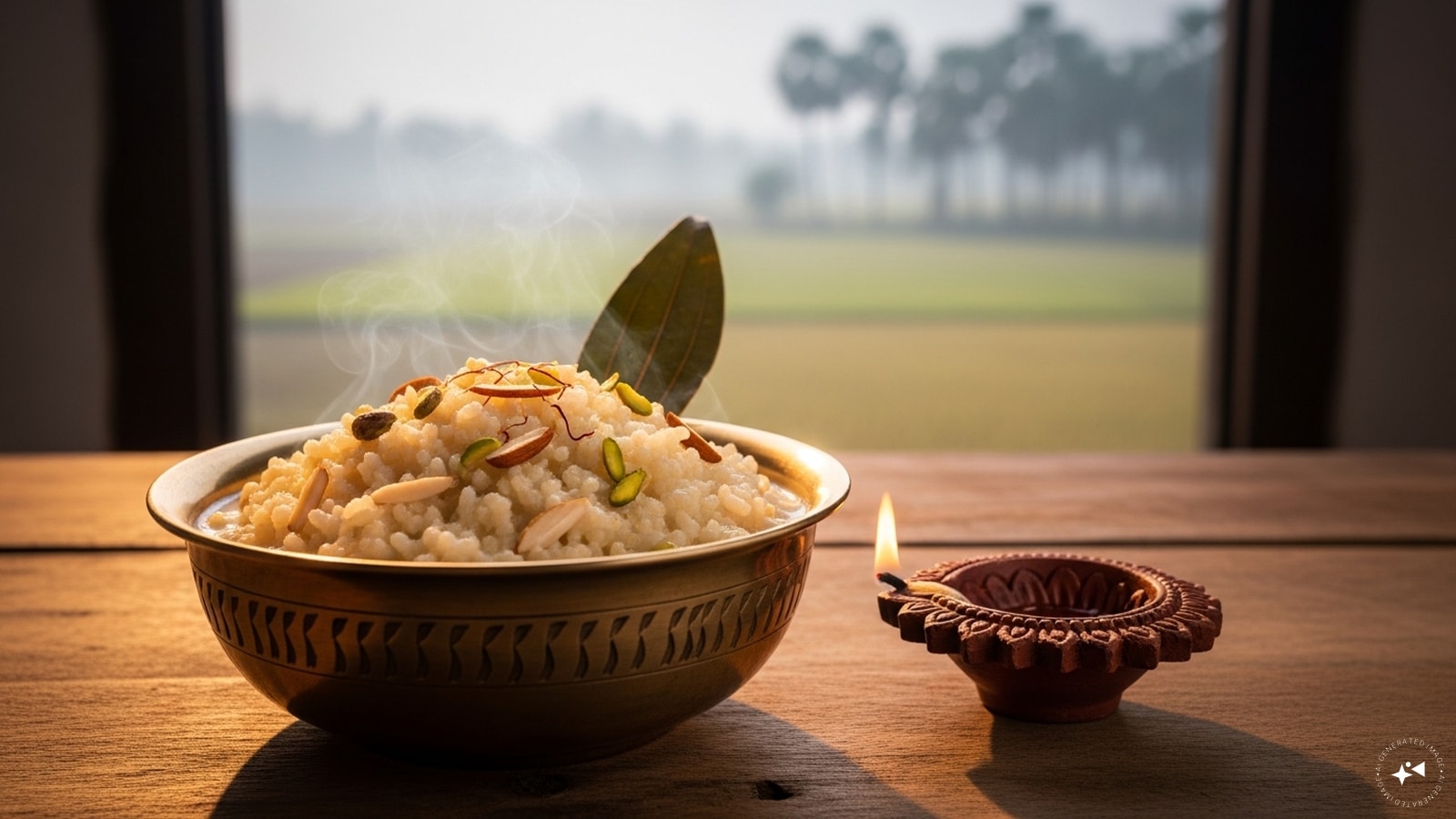
Payesh (West Bengal): Payesh is a rice kheer cooked with milk, jaggery or sugar, and bay leaves. Prepared during Sankranti, it marks prosperity, gratitude, and the sweetness of new beginnings. (Image: AI Generated)