




When travelers think of Uttar Pradesh, they often picture the Taj Mahal shimmering in Agra, the ghats of Varanasi glowing at sunrise, or the bustling streets of Lucknow with their kebabs and nawabs. Yet, beyond its cultural treasures lies a lesser-known identity: Uttar Pradesh is the Sugar Bowl of India. This title isn’t just a nickname; it reflects the state’s deep agricultural roots, its economic power, and even its cultural traditions tied to sugarcane. (Image: Canva)
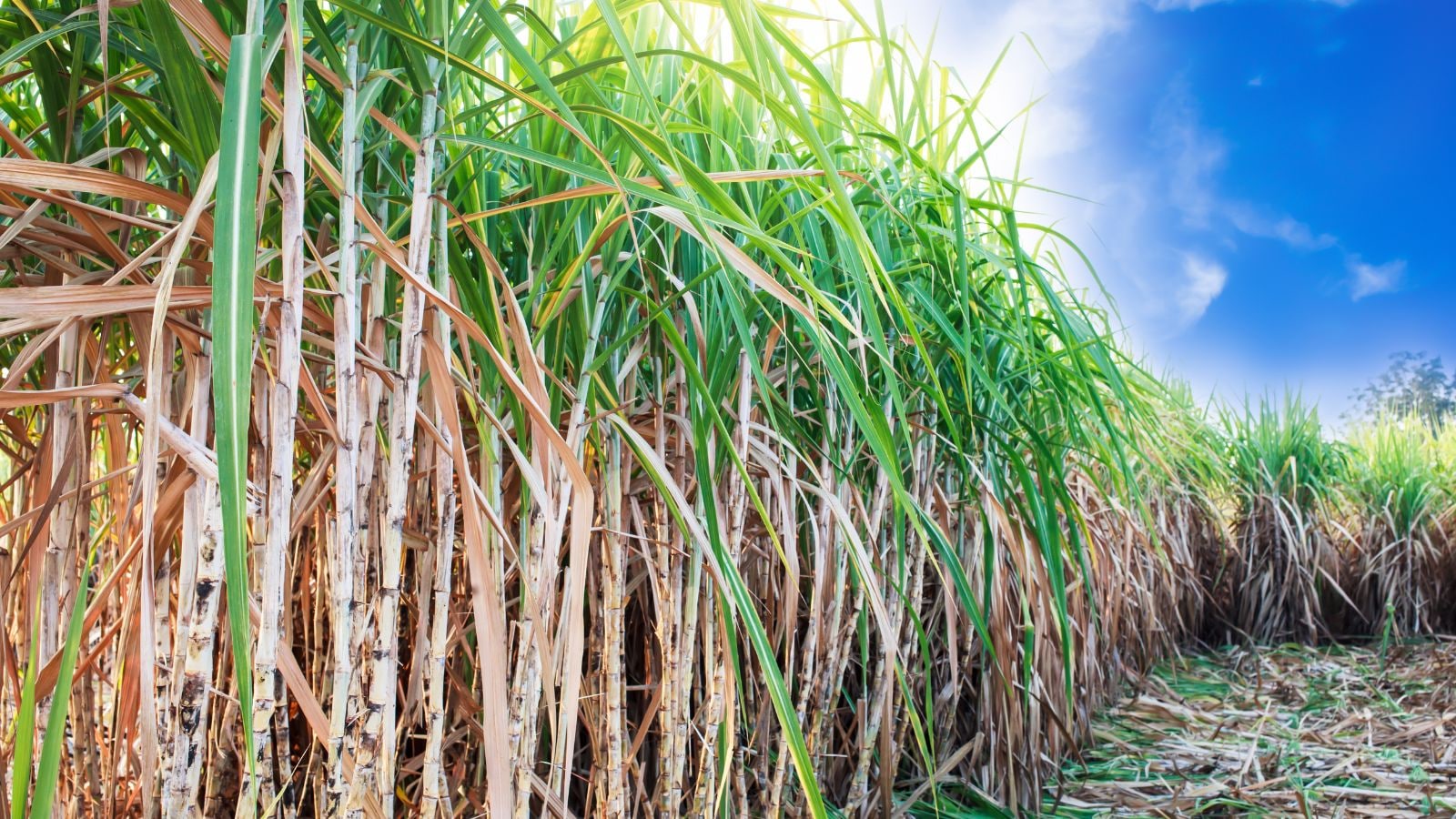
Uttar Pradesh is India’s largest producer of sugarcane, contributing the highest share to the country’s sugar output. Vast fields stretch across districts like Meerut, Saharanpur, Muzaffarnagar, and Bijnor, where sugarcane grows tall and lush. For travelers venturing into the countryside, the sight of endless green stalks swaying in the breeze is both calming and awe-inspiring. These fields are more than crops—they are the lifeblood of millions of farmers and the backbone of the state’s rural economy. (Image: Canva)
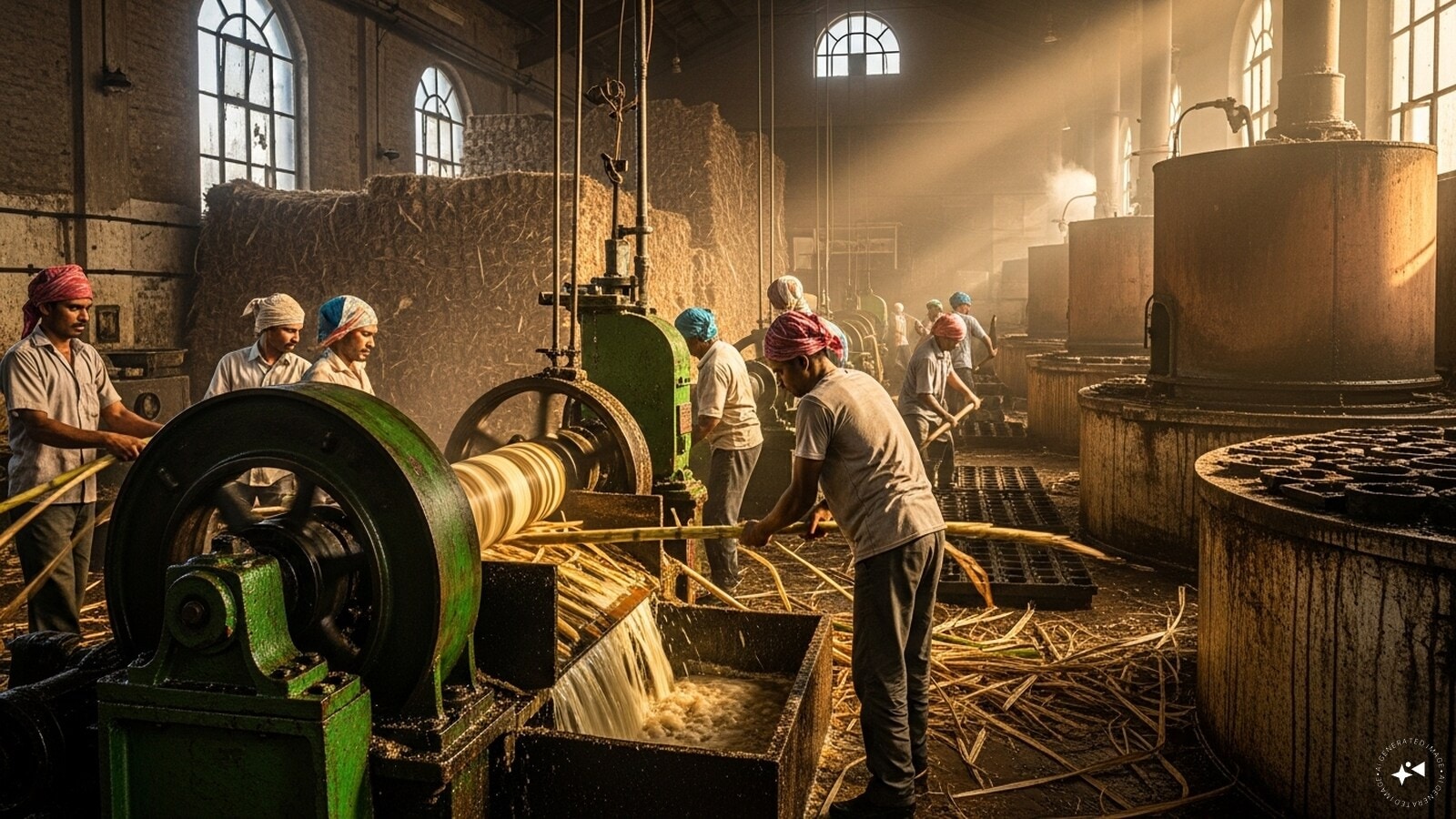
The state is dotted with sugar mills, some dating back to colonial times. Towns like Shamli and Lakhimpur Kheri are hubs where cane is crushed into jaggery or refined into sugar crystals. Visiting one of these mills offers a revelatory experience: you witness the transformation of raw cane into the sweet grains that end up in kitchens worldwide. The hum of machinery, the earthy smell of molasses, and the sight of workers hauling cane create a vivid picture of industry meeting agriculture. (Image: AI-Generated)
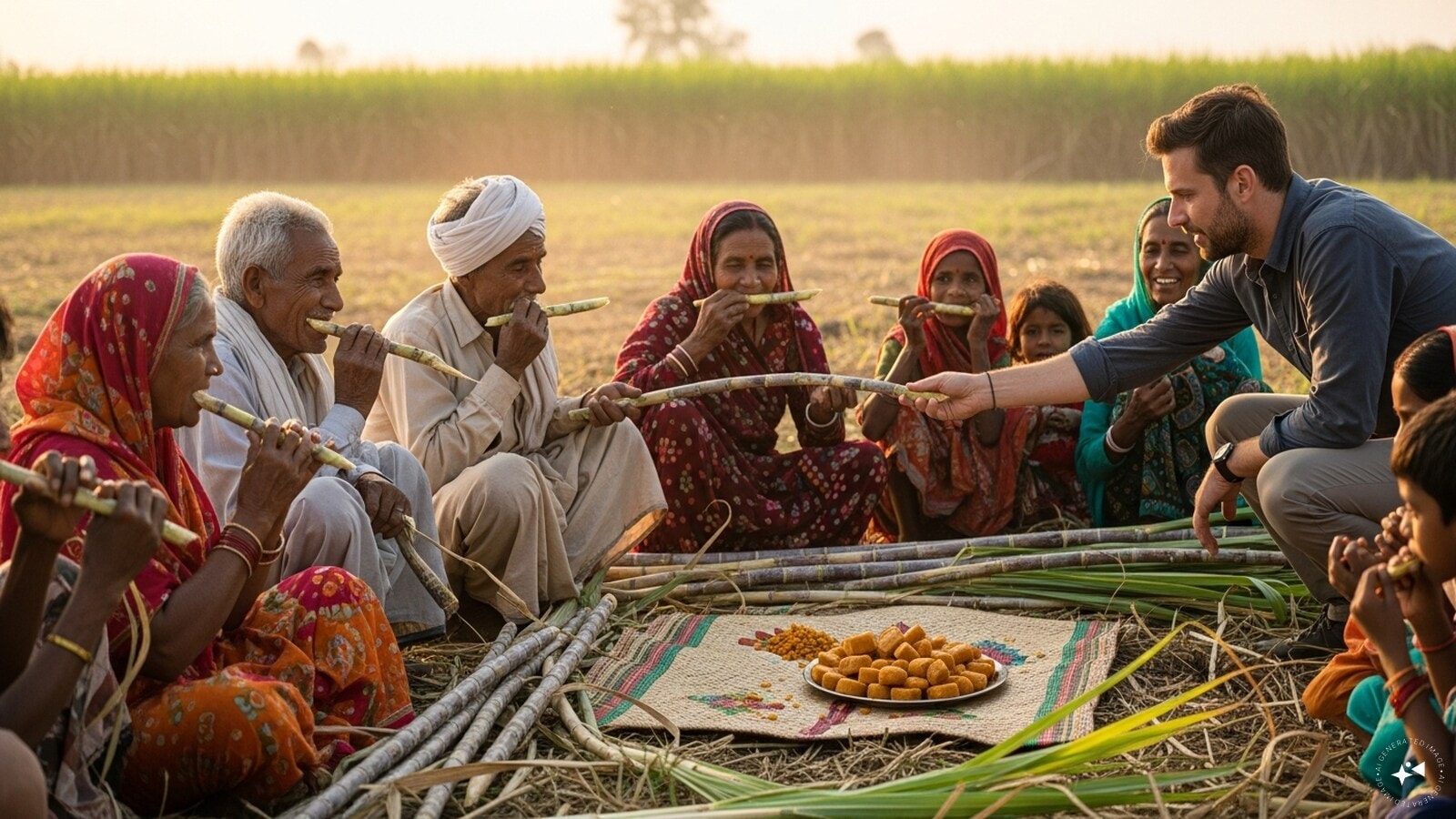
Sugarcane isn’t just an economic crop; it’s woven into the cultural fabric of Uttar Pradesh. Festivals like Makar Sankranti and Lohri see families sharing jaggery sweets made from fresh cane. In villages, chewing raw sugarcane is a common pastime, especially during harvest season. Travelers who join locals in tasting freshly cut cane discover a rustic sweetness that feels worlds apart from refined sugar. (Image: AI-Generated)
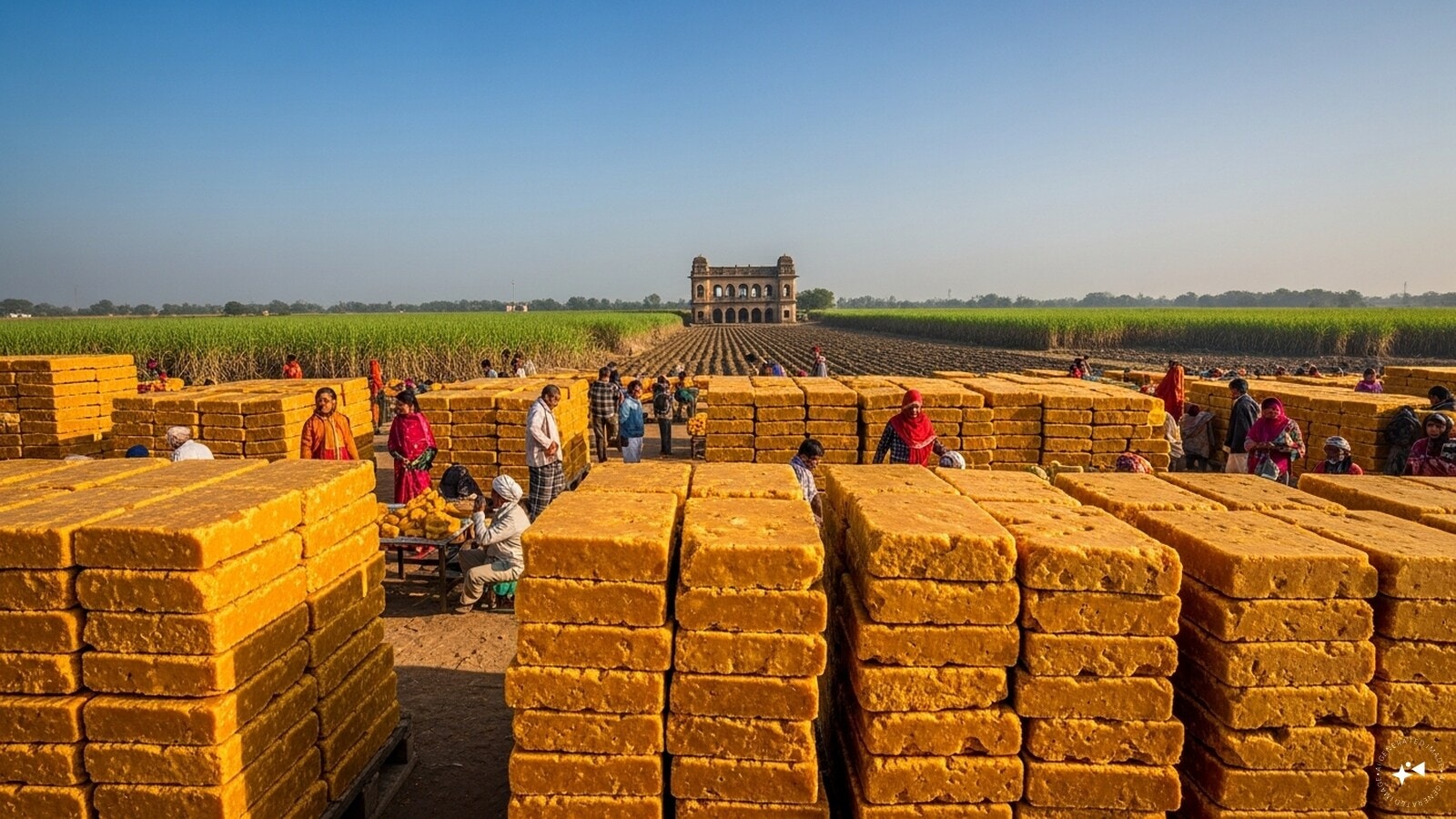
For those seeking offbeat travel, the sugarcane belt of western Uttar Pradesh offers a unique itinerary. Start in Meerut, where history meets agriculture, then head to Muzaffarnagar, often called the “jaggery capital.” Here, local markets brim with golden blocks of gur (jaggery), stacked like treasure. Moving north, Saharanpur blends cane fields with colonial-era architecture, while Bijnor charms with its rural landscapes. Each stop reveals how deeply sugarcane shapes daily life. (Image: AI-Generated)
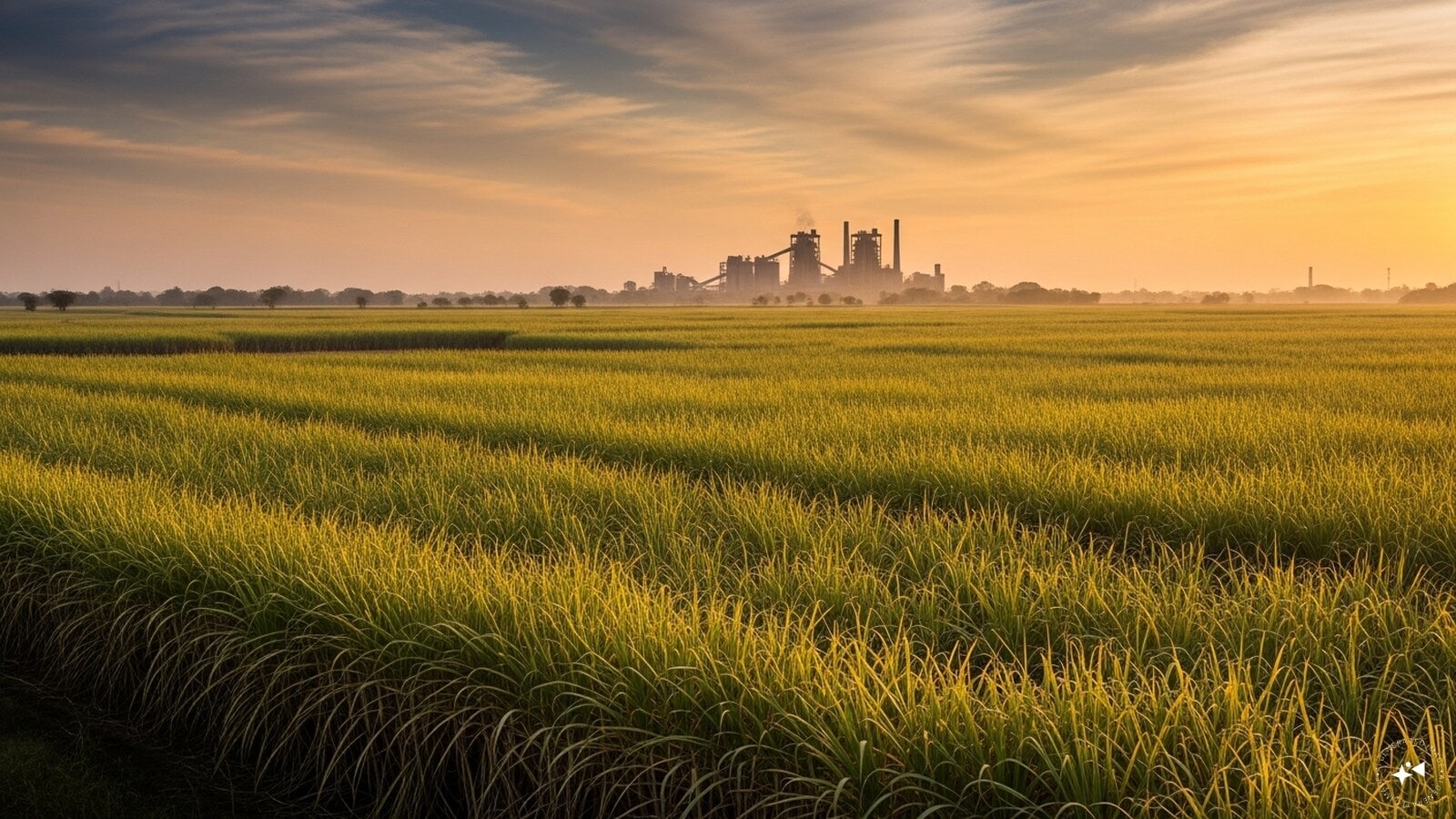
Uttar Pradesh’s sugar industry isn’t just local, it’s national. The state’s production influences India’s sugar prices and exports. For travelers interested in economics, it’s fascinating to see how a single crop can sway markets and livelihoods. The “Sugar Bowl” moniker thus carries weight: it’s not just about sweetness, but about power and influence. (Image: AI-Generated)
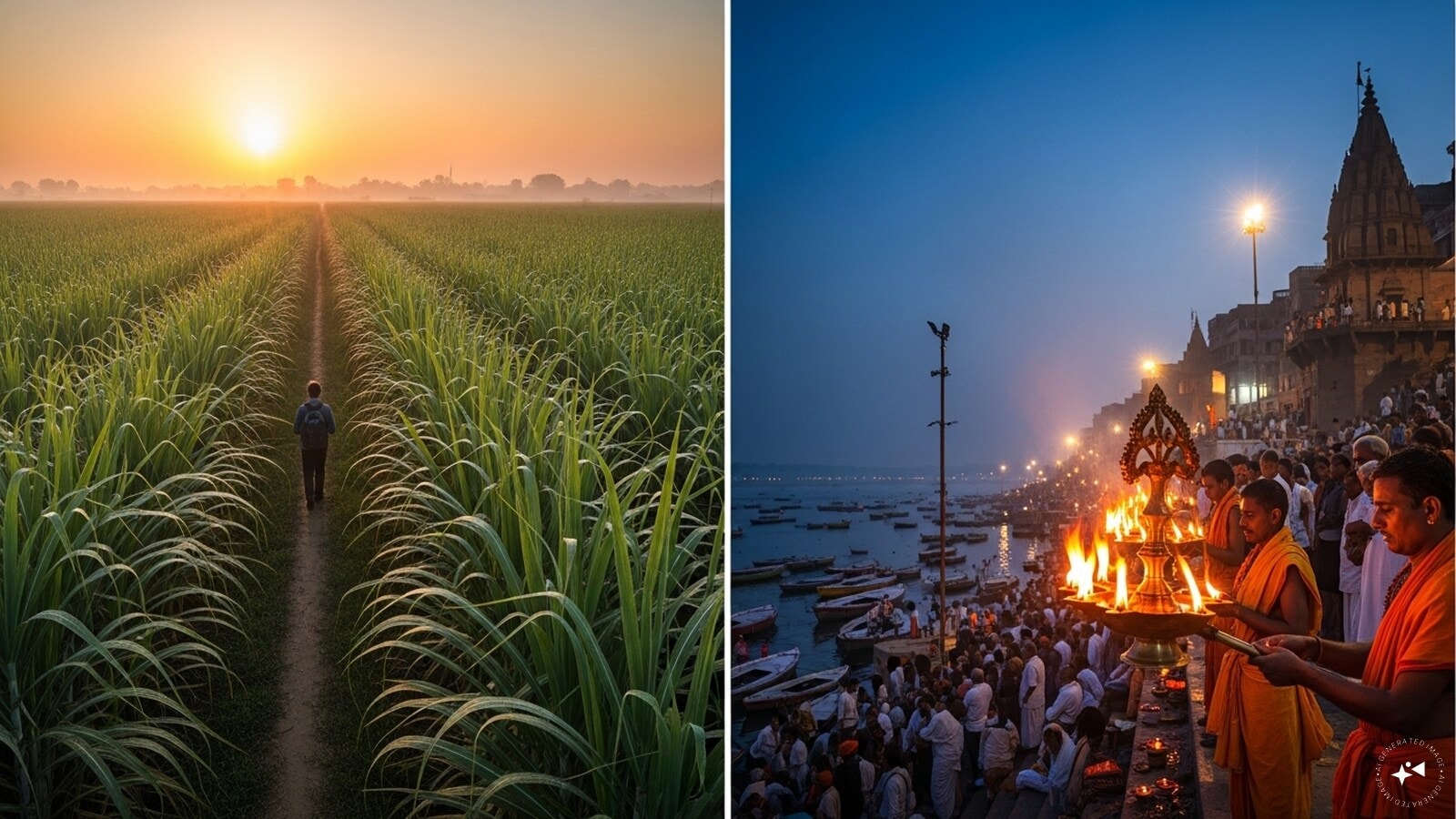
While exploring the sugarcane regions, travelers also encounter Uttar Pradesh’s diverse heritage. From the spiritual aura of Varanasi to the Mughal grandeur of Agra, the state offers contrasts that few destinations can match. Imagine spending a morning walking through cane fields, then an evening watching the Ganga Aarti—this juxtaposition makes Uttar Pradesh truly revelatory. (Image: AI-Generated)
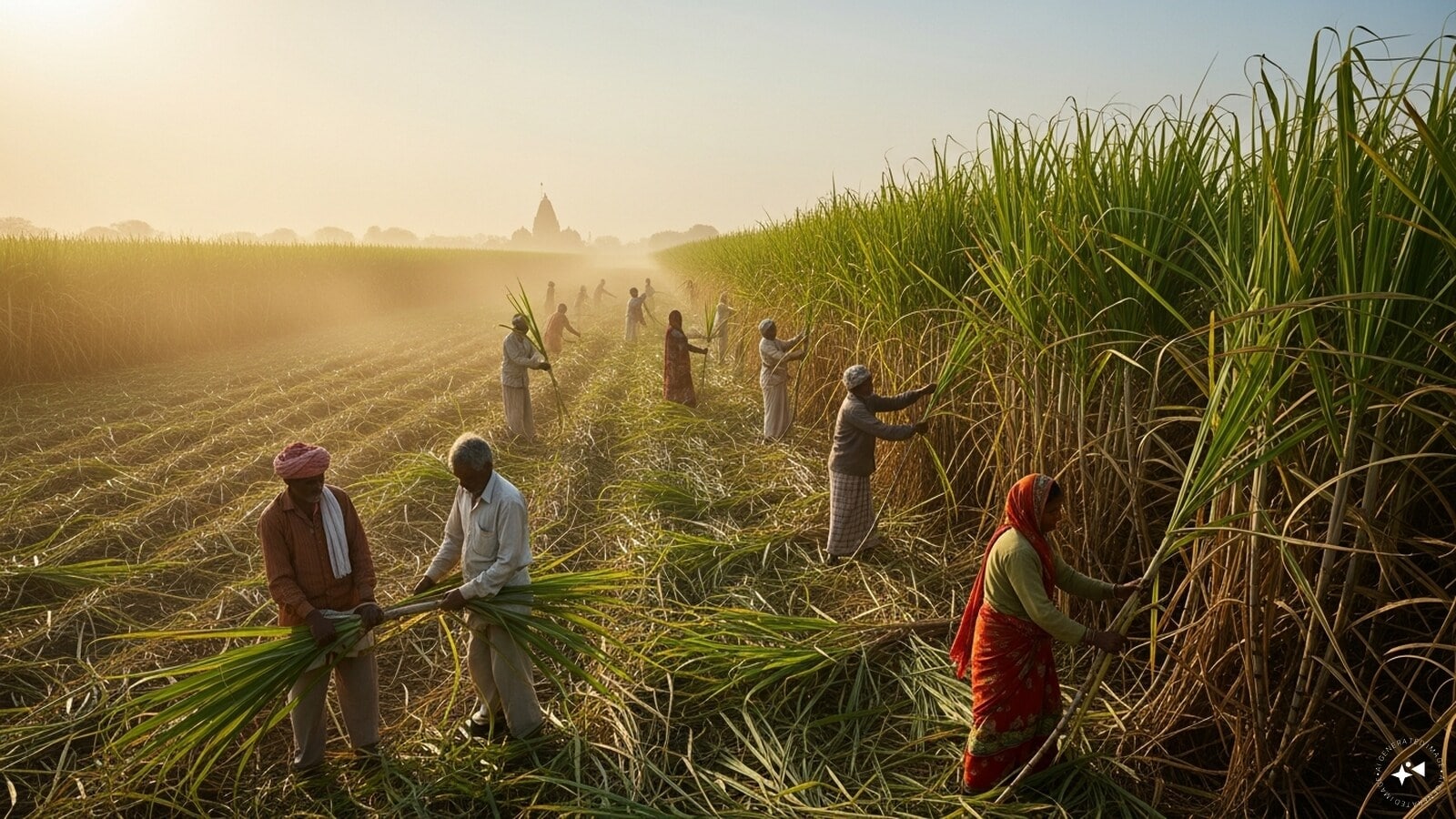
Understanding Uttar Pradesh as the Sugar Bowl adds depth to your journey. It’s easy to see monuments and temples, but knowing the agricultural story connects you to the land and its people. You realize that the state’s identity isn’t only carved in marble or sung in hymns—it’s also grown in fields, harvested by hand, and tasted in sweets. (Image: AI-Generated)
Practical Travel Tips – Best Time to Visit: October to March, when the weather is pleasant and cane harvests are underway. – Local Experiences: Try fresh cane juice at roadside stalls, visit jaggery markets, and if possible, tour a sugar mill. – Nearby Attractions: Combine rural exploration with visits to Agra, Lucknow, or Varanasi for a balanced itinerary. (Image: Canva)